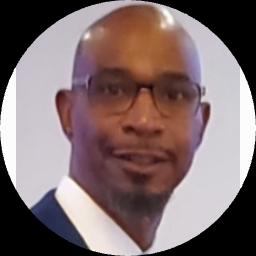
Therapist profile
Christopher Korty, LCSW
Licensed in North Carolina 20 years in practice Online sessions
LCSW - Stress and Mood Concerns
About Christopher
Christopher Korty is an LCSW licensed in North Carolina with more than 20 years of professional experience. He focuses on stress, anxiety, relationship and family concerns, anger, self-esteem, addictions, trauma and abuse, grief, intimacy-related issues, eating concerns, parenting, career questions, bipolar disorder, depression, attention-deficit hyperactivity disorder, and coping with life changes.
Clients can expect direct, practical work aimed at noticing unhelpful thoughts and testing new responses. Sessions often involve concrete skills and short homework tasks to try between meetings.
Background and approach
The style is straightforward and focused on problem-solving rather than long, open-ended exploration. Christopher uses Cognitive Behavioral Therapy as a core approach and also draws on Dialectical Behavior Therapy and Motivational Interviewing when they fit the problem. That means time is spent identifying patterns of thinking, building emotion regulation and interpersonal skills, and increasing motivation for change.
Over two decades he has worked with people managing intense moods, impulsivity, and communication breakdowns. He helps people clarify immediate goals and break larger problems into manageable steps. Progress is measured in specific changes clients can notice in daily life.
Before scheduling, clients should confirm current session options. To begin, users complete a short matching questionnaire and schedule a first session through the platform's booking flow.
What Christopher works with
The areas Christopher lists on their profile, in their own terms. If what you would like to work on is not on the list, it is fine to ask about it.
- Stress, Anxiety
- Relationship issues
- Family conflicts
- Anger management
- Self esteem
- Addictions
- Trauma and abuse
- Grief
- Intimacy-related issues
- Eating disorders
- Parenting issues
- Career difficulties
- Bipolar disorder
- Depression
- Coping with life changes
- Compassion fatigue
- ADHD
- Communication problems
- Disruptive Mood Dysregulation Disorder (DMDD)
- Family problems
- Forgiveness
- Impulsivity
- Life purpose
- Men's issues
- Young adult issues
Methods Christopher lists
- Cognitive Behavioral Therapy (CBT)
- Dialectical Behavior Therapy (DBT)
- Motivational Interviewing
Listing an approach is not evidence of training in it. This directory shows what each therapist names and does not check training records.
How his approaches translate to online sessions
Christopher commonly uses Cognitive Behavioral Therapy to help clients spot patterns of thinking that contribute to anxiety, depression, or relationship strain, then practices new responses through brief exercises and homework. Dialectical Behavior Therapy is used for teaching concrete emotion regulation and interpersonal skills, useful for impulsivity, anger, and intense mood swings. Motivational Interviewing supports people who are unsure about change by focusing on their own reasons and small next steps.Choosing the right approach is part of the work. He will collaborate with each person to decide whether CBT, DBT skills, Motivational Interviewing, or a combination fits best based on goals, symptoms, and what the person prefers. That choice can be revisited as needs change.
The biography did not list specific session formats, so confirm available online options before booking. Online work can make it easier to fit sessions into a busy week, allow shorter check-ins when needed, and reduce time spent traveling. It also lets people practice skills in real-world settings between appointments. Licensed professionals can adapt exercises and track homework digitally so progress stays practical and concrete.
We will earn a commission if you sign up through our link, at no cost to you. It does not change what you pay or the order of the listings.
Questions people ask about Christopher
What concerns does he address most often?
He works with stress, anxiety, relationship and family concerns, anger, mood disorders, addictions, trauma, grief, self-esteem, and related issues.
How does he use Cognitive Behavioral Therapy?
He uses CBT to help clients identify unhelpful thoughts and test alternative responses through short practice tasks between sessions.
What other approaches does he draw on?
He also uses Dialectical Behavior Therapy for emotion regulation and interpersonal skills and Motivational Interviewing to support readiness for change.
How long has he been practicing?
He has over 20 years of professional work experience in mental health settings.
Where is he licensed to practice?
He holds an LCSW license in North Carolina.
In what languages are sessions offered?
Sessions are offered in English and international clients are not accepted.
What are the session formats?
The original biography does not specify session formats; please confirm current session options before booking.
How are fees handled and how do I start?
Cost varies with location and sessions use a subscription that can be canceled at any time. To start, complete the short matching questionnaire and schedule a first session via the See online therapy options button.