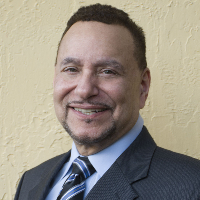
Ashley Gaines
LPC
Pennsylvania 20 years in practice
Licensed Professional Counselor - Anxiety and Stress
- Stress, Anxiety
- Relationship
- Trauma and abuse
Therapists who list CBT
8,704 therapists who list CBT also name stress & anxiety among the areas they work with. All offer sessions online; each profile shows their credentials as listed.
Explore profiles of therapists who list stress and anxiety among their specialties on our directory. Use the filters below to review approaches, credentials, languages and experience, then browse listings to find clinicians who may fit your needs.
LPC
Pennsylvania 20 years in practice
Licensed Professional Counselor - Anxiety and Stress
BACP
United Kingdom 5 years in practice
BACP counsellor - anxiety and stress support
LCSW
Missouri 20 years in practice
LCSW - relationships and stress
LMFT
California 10 years in practice
LMFT focused on anxiety and relationships
United Kingdom 5 years in practice
BACP counsellor - anxiety and stress
LCSW
North Carolina 7 years in practice
LCSW - relationships and parenting
LCSW
Oklahoma 15 years in practice
LCSW in Oklahoma - anxiety and relationships
LCSW
New York 31 years in practice
LCSW in New York - Stress and relationships
LCSW, CSW
Colorado 12 years in practice
LCSW - Stress and anxiety support
Texas 30 years in practice
Licensed Professional Counselor - Stress and Anxiety
LPC
Idaho 15 years in practice
LPC counselor - Stress and relationship concerns
LPC
Virginia 24 years in practice
LPC in Virginia - Anxiety and Addictions
LMHC
New York 11 years in practice
Licensed Mental Health Counselor - Anxiety and Eating Concerns
LPC
Texas 11 years in practice
LPC in Texas - Mood and anxiety support
BACP
United Kingdom 14 years in practice
BACP counsellor - anxiety and relationships
BACP
United Kingdom 25 years in practice
BACP counsellor - anxiety and relationship support
LPC
Michigan 7 years in practice
Licensed counselor - anxiety and relationships
LPC
Mississippi 25 years in practice
Licensed Professional Counselor - Relationships and Mood
LPC
Texas 8 years in practice
Licensed Professional Counselor - Stress and Anxiety
Louisiana 30 years in practice
LPC counselor - relationship and anxiety work
ACA
Australia 4 years in practice
ACA counsellor - Stress and addictions
BACP
United Kingdom 12 years in practice
BACP counsellor - anxiety and relationships
LPCC
Ohio 13 years in practice
LPCC counselor - stress and addictions
LPC
Texas 22 years in practice
Licensed Professional Counselor - Anxiety and Addictions
LPCC
Ohio 25 years in practice
LPCC in Ohio - Stress and Anxiety
LCSW
North Carolina 5 years in practice
LCSW - Anxiety and trauma support
LPC
Colorado 18 years in practice
LPC in Colorado - Stress and anxiety focus
BACP
United Kingdom 3 years in practice
Counsellor - Anxiety and Self-esteem
LPC
Arizona 30 years in practice
Licensed Professional Counselor - Stress and Trauma
LICSW
Massachusetts 20 years in practice
LICSW - Stress and anxiety focus
LCSW
Texas 14 years in practice
Dr. Tomika Hardy - LCSW, addiction and trauma
LPCC
Kentucky 7 years in practice
LPCC in Kentucky - stress and anxiety care
Louisiana 17 years in practice
Licensed Professional Counselor - Anxiety and Trauma
LMHC
Florida 38 years in practice
Florida LMHC - Anxiety and life changes
LMSW
Michigan 9 years in practice
LMSW - Anxiety and life changes
LIMFT
Ohio 19 years in practice English, Spanish
LIMFT in Ohio - Stress and Relationship Concerns
LCSW
Missouri 13 years in practice
Licensed Clinical Social Worker - mood and addiction work
LPC
Texas 15 years in practice
Licensed Professional Counselor - Anxiety and Relationships
BACP
United Kingdom 6 years in practice
Counsellor - Stress and Anxiety
LPC
Wisconsin 13 years in practice
LPC in Wisconsin - CBT and attachment work
NCPS
United Kingdom 6 years in practice
Counsellor - anxiety and relationships
LCSW
Illinois 10 years in practice
LCSW in Illinois - Anxiety and Depression
LCSW
Virginia 47 years in practice
LCSW - Anxiety and relationship concerns
LCSW
California 10 years in practice
LCSW - Stress and anxiety support
North Carolina 23 years in practice
LCMHC - Anxiety and Addictions
LMHC, LMFT
Florida 30 years in practice English, Spanish
LMHC and LMFT - Anxiety and Trauma
LPCC
New Mexico 17 years in practice
LPCC in New Mexico - Stress and Anxiety
LCSW
Florida 12 years in practice
LCSW - Parenting and Anxiety
Some links on this page are partner links. We will earn a commission if you sign up through one, at no cost to you. It does not change what you pay or the order of the listings.
Stress and anxiety are common responses to life demands, and they can show up in many forms. Stress is often tied to external pressures such as work deadlines, relationship conflicts or major life transitions, and it tends to ebb and flow with changing circumstances. Anxiety can include persistent worry, heightened alertness or physical sensations like restlessness, tension, rapid heartbeat or difficulty sleeping. For some people these feelings are occasional and manageable, and for others they become more frequent or interfere with daily routines and relationships.
When you read about stress and anxiety you may notice overlap between emotional, cognitive and bodily experiences. Thoughts of future threat, anticipatory worry or rumination often sit alongside changes in appetite, concentration or energy. Cultural expectations, personal history and current supports shape how you experience and respond to these feelings. Learning more about the range of stress and anxiety responses can help you identify what feels different or distressing in your own life and whether a focused conversation with a clinician might be helpful.
You may be wondering when everyday stress crosses a threshold where professional support can help. Typical signs include ongoing difficulty managing worry, repeated physical symptoms that do not have an obvious medical cause, or patterns like avoidance of situations that trigger anxiety. If you notice that stress or worry consistently undermines your work performance, relationships, sleep or enjoyment of activities, therapy can offer practical strategies and a place to explore underlying patterns.
Other indications that therapy could be useful include trouble concentrating because of intrusive thoughts, increased irritability or emotional reactivity, using substances to cope more often than you would like, or feeling stuck despite trying self-help techniques. Therapy is also a reasonable option if you want to learn skills to prevent future flare-ups, build resilience for predictable stressors or find more adaptive ways to respond when anxiety arises.
When you begin work with a clinician for stress and anxiety, the early sessions usually involve gathering a clear picture of your current difficulties, history and goals. Your therapist will ask about the types of stressors you face, the ways anxiety shows up for you, any past experiences with treatment and what you hope to achieve. This assessment helps shape an individualized plan, whether you want short-term coping strategies, deeper exploration of patterns, or a combination of both.
Sessions often include a mix of conversation, learning new skills and practice. You might spend time identifying thought patterns that increase worry, experimenting with breathing or grounding exercises, or breaking down situations that you have been avoiding. Homework between sessions is common - this can mean trying a new technique in real life, keeping a brief symptom log or testing a different behavior in a challenging situation. Over time you will track which strategies ease symptoms and adapt the approach to fit your needs and lifestyle.
Therapists should explain how they handle privacy, documentation and limits of information-sharing boundaries, along with expected session length and fee policies. Pay attention to whether their described approach aligns with how you prefer to work - some people want directive skill-building, others favor a reflective process to understand roots of anxiety, and many benefit from a mix of both.
Several evidence-informed approaches are commonly used to address stress and anxiety, and you will find clinicians who list different modalities among their approaches on their profiles. Cognitive behavioral techniques focus on the link between thoughts, feelings and behaviors and help you identify and test distressing assumptions. Exposure-based strategies help you gradually face feared situations or sensations to reduce avoidance and build confidence. Mindfulness-based methods emphasize present-moment awareness and acceptance of internal experiences to reduce reactivity.
Some clinicians describe an acceptance and commitment orientation, which encourages clarifying values and taking action aligned with those values even in the presence of uncomfortable thoughts or feelings. Others use elements from psychodynamic or interpersonal approaches to explore how relationships and past experiences influence current anxiety. You may also encounter therapists who list integrative or eclectic approaches that combine techniques from multiple models. When reviewing profiles, pay attention to how clinicians describe their focus and ask about the ways they typically work with stress and anxiety to see whether their style fits your preferences.
Online therapy can offer flexibility if you prefer video, audio or messaging sessions instead of in-person visits. In a typical online session you connect with a clinician through a platform or video service to talk through current concerns, learn coping strategies and practice skills. Some people appreciate the convenience of attending from a familiar setting, while others choose online sessions when local options are limited. It is normal to have questions about technology, session format and how records are kept - you can ask clinicians about those details when you contact them.
When choosing a clinician for stress and anxiety, focus on several practical factors. Look for therapists who list stress or anxiety among their specialties and who describe approaches that match the kind of work you want - whether that is short-term skills training, longer-term exploration, or a blended method. Review professional credentials and state licensure to ensure the clinician is authorized to practice in their jurisdiction. Read profile descriptions for mentions of experience with issues that matter to you, such as workplace stress, panic, performance anxiety or life transitions, and consider language preferences and cultural competence if those are important.
Think about the logistics you need - the session length, typical pacing and the clinician's stated policies on records and cancellation. If insurance or payment structure matters to you, look for details on fees and whether the clinician lists plans they work with. Pay attention to how a therapist communicates in their profile and initial contact; a clear description of approach and what a first session looks like can help you decide whether to reach out. Ultimately, choosing a clinician is a personal process - you may prioritize a particular therapeutic style, shared background or the way a clinician describes collaboration. Use the directory to narrow options based on focus areas, approaches, credentials, languages and experience, and reach out to clinicians whose profiles resonate with what you are seeking.