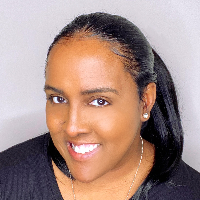
Daveisha Tanck
LCSW
North Carolina 7 years in practice
LCSW - relationships and parenting
- Stress, Anxiety
- Relationship
- Family
Therapists who list CBT
370 therapists licensed in North Carolina list CBT among their approaches. Each profile shows the license and NPI as listed. Sessions are online.
Welcome if you are looking for online therapy options in North Carolina. All therapists listed on this page are licensed in North Carolina - explore their profiles to review specialties, approaches, credentials, and languages to find a match.
LCSW
North Carolina 7 years in practice
LCSW - relationships and parenting
LCSW
North Carolina 5 years in practice
LCSW - Anxiety and trauma support
North Carolina 23 years in practice
LCMHC - Anxiety and Addictions
LCMHC
North Carolina 5 years in practice
LCMHC - Stress and Anxiety
LPC, LCMHC
North Carolina 7 years in practice
Licensed counselor - Anxiety and Trauma
LCSW, LISW-CP
North Carolina 13 years in practice
Licensed social worker - Anxiety and addiction
LCSW
North Carolina 30 years in practice
LCSW in North Carolina - stress and relationship work
LCSW
North Carolina 26 years in practice
LCSW - Stress and grief support
LICSW, LCSW
North Carolina 6 years in practice
Licensed social worker - anxiety and relationships
LCSW
North Carolina 13 years in practice
Licensed Clinical Social Worker - Stress and Anxiety
LCSW
North Carolina 23 years in practice
LCSW - Stress and Mood Concerns
LCMHC
North Carolina 22 years in practice
LCMHC in North Carolina - Stress and Relationships
LCMHC, LPC
North Carolina 20 years in practice
Licensed counselor - Anxiety and Addictions
LCSW
North Carolina 20 years in practice
LCSW - Stress and Addiction support
LCMHC
North Carolina 10 years in practice
LCMHC - Stress and Anxiety
LCSW
North Carolina 25 years in practice
LCSW - Stress and relationship concerns
LCSW
North Carolina 5 years in practice
LCSW - Anxiety and Relationships
LCSW
North Carolina 35 years in practice
LCSW - Stress and Relationship Concerns
LCSW
North Carolina 20 years in practice
LCSW - stress and addiction support
LCMHC
North Carolina 51 years in practice
LCMHC in North Carolina - relationship and mood concerns
LCMHC
North Carolina 48 years in practice
Dr. Denauvo Robinson LCMHC - Relationships and Life Transitions
LPC, LCPC
North Carolina 18 years in practice
LPC LCPC - Mood and addiction concerns
LCMHC
North Carolina 26 years in practice
LCMHC in North Carolina - Anxiety and Relationship Concerns
LCMHC
North Carolina 6 years in practice
Licensed Clinical Mental Health Counselor - Relationships and Anxiety
LCSW
North Carolina 8 years in practice
LCSW - Stress and anxiety focus
LCSW
North Carolina 10 years in practice
LCSW - anxiety and life transitions
LCSW
North Carolina 16 years in practice
LCSW - Grief and stress focused
LCMHC
North Carolina 20 years in practice
Licensed counselor - Anxiety and trauma
LCMHC
North Carolina 10 years in practice
LCMHC in North Carolina - Stress and anxiety
LCMHC
North Carolina 30 years in practice
LCMHC counselor - stress and trauma
LMFT
North Carolina 10 years in practice
Licensed therapist - relationships and mood
LCMHC
North Carolina 9 years in practice
LCMHC in North Carolina - stress and anxiety
LCSW
North Carolina 16 years in practice
Licensed Clinical Social Worker - Addiction and Anxiety
LPC, LCMHC
North Carolina 13 years in practice
LPC and LCMHC - anxiety and depression focus
LCSW
North Carolina 14 years in practice
LCSW - Anxiety and Relationship concerns
LCSW, LISW-CP
North Carolina 10 years in practice
LCSW therapist - anxiety and relationships
LCMHC
North Carolina 25 years in practice
LCMHC counselor - stress and relationships
LPC, LCMHC
North Carolina 20 years in practice
LPC and LCMHC - Anxiety and Addiction
LCMHC
North Carolina 16 years in practice
Licensed counselor - anxiety and addictions
LCMHC
North Carolina 10 years in practice
Licensed Clinical Mental Health Counselor - Stress and Anxiety
LCMHC
North Carolina 16 years in practice
LCMHC in North Carolina - stress and relationships
LPC, LCMHC
North Carolina 5 years in practice
Licensed counselor - anxiety and relationships
LCMHC
North Carolina 11 years in practice
LCMHC in North Carolina - Addiction and Anxiety care
LCMHC
North Carolina 24 years in practice
LCMHC in North Carolina - Stress and Anxiety
LCMHC
North Carolina 16 years in practice
LCMHC in North Carolina - Stress and Anxiety
LCSW
North Carolina 15 years in practice
Licensed Clinical Social Worker - Relationships and Trauma
LCMHC
North Carolina 23 years in practice
LCMHC - Anxiety and Trauma
LCMHC
North Carolina 15 years in practice
LCMHC in North Carolina - Anxiety and Relationships
Some links on this page are partner links. We will earn a commission if you sign up through one, at no cost to you. It does not change what you pay or the order of the listings.
If you are exploring online therapy in North Carolina you will find a variety of clinicians offering care through video, phone, and messaging formats. State rules require that a clinician hold an appropriate North Carolina license to provide therapy to residents of the state, so practitioners listed here meet that requirement. The landscape of virtual care has matured since the early 2020s, and many practices now incorporate telehealth as a routine option alongside in-person work. That means you can connect with professionals who specialize in the kinds of support you want without traveling long distances.
Technology does change how therapy is delivered, but the fundamentals remain the same: you and the clinician set goals, develop rapport, and choose interventions that fit your needs. You will find clinicians who describe a range of approaches and specialties in their profiles, and those descriptions can help you understand whether they write about issues similar to yours. Because licensing matters when care crosses state lines, the therapists listed here indicate they are licensed to practice in North Carolina so you can focus on other factors like approach, experience, and communication style.
North Carolina includes large urban centers and rural counties where in-person mental health services can be harder to find. Online therapy reduces travel time and can make it easier for you to see someone who fits your needs whether you live in a city, suburban area, or a more remote county. You can schedule sessions around work, childcare, and other commitments without needing to commute to an office. For many people this flexibility is the difference between starting care and delaying it.
Online therapy can help you maintain continuity of care during life transitions, travel, or changes in work location. You may also find that communicating from a comfortable environment helps you open up sooner. Therapists who list CBT among their approaches often emphasize structured skills you can practice between sessions, while therapists who list EMDR among their approaches or trauma-focused methods may adapt their work to an online format as well. Because approaches vary, reviewing profiles can help you find practitioners who describe methods and settings that appeal to you.
Many clinicians work with anxiety, depression, stress, and mood regulation. You will find therapists who describe experience with life stressors, adjustment to change, and coping skills for day-to-day emotional management. These areas are commonly treated with techniques that emphasize emotional awareness, behavioral change, and problem solving, and you can often practice strategies between sessions with remote support from your clinician.
Couples counseling, family therapy, and communication-focused work are common offerings. Therapists who list couples counseling among their approaches often describe work on conflict resolution, communication patterns, and rebuilding connection. Online formats can accommodate separate sessions as well as joint meetings, and many therapists adapt interventions to suit virtual interaction. If relationship dynamics are a focus for you, look for clinicians who explain how they structure couple or family sessions in a remote setting.
Therapists who list trauma-informed or trauma-focused approaches among their offerings often work with people processing past events, complicated grief, or major life transitions. The way trauma work is described in a profile can give you insight into the clinician's orientation toward safety, pacing, and symptom management. Because the terms used in profiles reflect how clinicians choose to present their practice rather than formal certification, consider how a therapist explains their process and how that aligns with what you think will feel manageable for you.
To confirm that a clinician is licensed to practice with North Carolina residents, start with the state licensing board's online verification system. Most boards offer a searchable portal where you can enter a clinician's name or license number and see the license type, status, and expiration. That search can also show whether any disciplinary actions are on record. Verifying licensure ensures the clinician holds an active credential to practice in the state and helps you understand their professional standing.
Different license titles correspond to different professional roles - for example counselors, social workers, psychologists, and marriage and family therapists each operate under their own licensure pathways. When you review a profile, pay attention to the license type and match it to the scope of practice you are seeking. If you have questions about the meaning of a particular license designation, the licensing board's website typically provides guidance and contact information so you can get a clear explanation.
Begin by clarifying what you want from therapy. You might be seeking short-term skills for managing anxiety, longer-term work on depression, support through a relationship issue, or help navigating a major life change. Use those priorities to scan profiles for clinicians who list related specialties or who describe an approach that resonates. Pay attention to languages offered, professional credentials, and any demographic or experiential notes that feel important to you.
When you review profiles focus on the clinician's stated approach and the problems they mention working with. For example, some clinicians describe cognitive-behavioral methods that emphasize skills and homework, while others describe relational or insight-oriented approaches that center on exploration and meaning-making. You will also find therapists who list EMDR among their approaches, or who note experience with trauma-focused care. Consider whether you prefer a structured, skills-based path or a more open-ended, exploratory process, and look for profiles that align with that preference.
In your first session you can expect to discuss goals, history, and logistics. Use that time to ask about how the clinician works remotely, what a typical session looks like, and how they measure progress. It is reasonable to ask how they tailor their approach for online interaction and how they handle session structure, follow-up, and communication between meetings. If something about the clinician's style does not feel like a match after a few sessions, it is okay to consider other profiles until you find a clinician with whom you feel comfortable and understood.
Choosing a therapist is a personal process. You do not need to make a perfect decision on the first try. Profiles are designed to help you narrow options based on specialties, approaches, credentials, and languages. Combine that information with your own sense of what might feel like a productive working relationship and you will be better positioned to find a clinician whose way of working supports your goals.