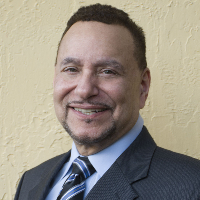
Ashley Gaines
LPC
Pennsylvania 20 years in practice
Licensed Professional Counselor - Anxiety and Stress
- Stress, Anxiety
- Relationship
- Trauma and abuse
Therapists who list CBT
6,701 therapists who list CBT also name communication problems among the areas they work with. All offer sessions online; each profile shows their credentials as listed.
This page presents therapists who specialize in communication problems and related relationship concerns. Below you can browse practitioner profiles to learn about their approaches, languages, and experience.
Use the listings to explore options and read individual profiles to find a clinician whose focus aligns with what you want to work on.
LPC
Pennsylvania 20 years in practice
Licensed Professional Counselor - Anxiety and Stress
BACP
United Kingdom 5 years in practice
BACP counsellor - anxiety and stress support
LCSW
Missouri 20 years in practice
LCSW - relationships and stress
LMFT
California 10 years in practice
LMFT focused on anxiety and relationships
United Kingdom 5 years in practice
BACP counsellor - anxiety and stress
LCSW
North Carolina 7 years in practice
LCSW - relationships and parenting
LCSW
Oklahoma 15 years in practice
LCSW in Oklahoma - anxiety and relationships
LCSW
New York 31 years in practice
LCSW in New York - Stress and relationships
Texas 30 years in practice
Licensed Professional Counselor - Stress and Anxiety
LPC
Idaho 15 years in practice
LPC counselor - Stress and relationship concerns
LMHC
New York 11 years in practice
Licensed Mental Health Counselor - Anxiety and Eating Concerns
BACP
United Kingdom 14 years in practice
BACP counsellor - anxiety and relationships
BACP
United Kingdom 25 years in practice
BACP counsellor - anxiety and relationship support
LPC
Michigan 7 years in practice
Licensed counselor - anxiety and relationships
LPC
Mississippi 25 years in practice
Licensed Professional Counselor - Relationships and Mood
LPC
Texas 8 years in practice
Licensed Professional Counselor - Stress and Anxiety
ACA
Australia 4 years in practice
ACA counsellor - Stress and addictions
LPCC
Ohio 13 years in practice
LPCC counselor - stress and addictions
LPC
Texas 22 years in practice
Licensed Professional Counselor - Anxiety and Addictions
LPCC
Ohio 25 years in practice
LPCC in Ohio - Stress and Anxiety
LPC
Colorado 18 years in practice
LPC in Colorado - Stress and anxiety focus
BACP
United Kingdom 3 years in practice
Counsellor - Anxiety and Self-esteem
LPC
Arizona 30 years in practice
Licensed Professional Counselor - Stress and Trauma
LICSW
Massachusetts 20 years in practice
LICSW - Stress and anxiety focus
LCSW
Texas 14 years in practice
Dr. Tomika Hardy - LCSW, addiction and trauma
Louisiana 17 years in practice
Licensed Professional Counselor - Anxiety and Trauma
LMHC
Florida 38 years in practice
Florida LMHC - Anxiety and life changes
NCPS
United Kingdom 4 years in practice
Counsellor - relationships and trauma
LMSW
Michigan 9 years in practice
LMSW - Anxiety and life changes
LIMFT
Ohio 19 years in practice English, Spanish
LIMFT in Ohio - Stress and Relationship Concerns
LCSW
Missouri 13 years in practice
Licensed Clinical Social Worker - mood and addiction work
LPC
Texas 15 years in practice
Licensed Professional Counselor - Anxiety and Relationships
BACP
United Kingdom 6 years in practice
Counsellor - Stress and Anxiety
NCPS
United Kingdom 6 years in practice
Counsellor - anxiety and relationships
LCSW
Illinois 10 years in practice
LCSW in Illinois - Anxiety and Depression
LCSW
Virginia 47 years in practice
LCSW - Anxiety and relationship concerns
LCSW
Florida 31 years in practice
LCSW - relationships and trauma
North Carolina 23 years in practice
LCMHC - Anxiety and Addictions
LMHC, LMFT
Florida 30 years in practice English, Spanish
LMHC and LMFT - Anxiety and Trauma
LCSW
Florida 12 years in practice
LCSW - Parenting and Anxiety
LCSW
Florida 18 years in practice
LCSW - anxiety and addiction support
BACP
United Kingdom 3 years in practice English, Greek
BACP counsellor - anxiety and relationships
LPC
Texas 3 years in practice
LPC in Texas - anxiety and life changes
BACP
United Kingdom 9 years in practice
BACP counsellor - anxiety and relationships
LMHC
New York 7 years in practice English, Indonesian
LMHC in New York - anxiety and relationships
Texas 9 years in practice
LPC in Texas - anxiety and relationships
BACP, NCPS
United Kingdom 18 years in practice
Counsellor - Anxiety and Addictions
LCPC
Illinois 7 years in practice English, Spanish
Illinois LCPC - Anxiety and Relationships
Some links on this page are partner links. We will earn a commission if you sign up through one, at no cost to you. It does not change what you pay or the order of the listings.
Communication problems can show up in many ways - difficulty expressing needs, frequent misunderstandings, shutting down during arguments, or recurring cycles of blame and withdrawal. You may notice these patterns in romantic relationships, friendships, family interactions, or at work. Over time, repeated communication breakdowns can erode trust, increase stress, and make it harder to resolve conflict or collaborate effectively. The experience of feeling misunderstood or unable to say what you mean can also take a toll on your sense of self and your emotional wellbeing. Therapy aimed at communication problems focuses on the patterns that make conversations feel unsafe or unproductive and helps you develop skills to say what you mean and hear others more clearly.
Because communication is both verbal and nonverbal, interventions often look beyond words to include tone, body language, timing, and the stories you and others bring to interactions. Cultural background, attachment history, and learned family habits shape how you give and receive messages, and therapy helps you see the origins of these habits without placing blame. Whether you are trying to improve day-to-day conversations or repair a long-standing rift, understanding the mechanics of communication gives you practical levers to change how interactions unfold.
If you find that conversations often escalate instead of resolving, that you or the other person withdraws after conflict, or that you avoid certain topics out of fear of how they will land, these are signs that focused work on communication might help. You might also notice repeated patterns such as one partner feeling criticized while the other feels under attack, or children mirroring the same conflict styles they see at home. Another signal is when your attempts to explain yourself are consistently misread, which can leave you feeling exhausted and disconnected.
Communication issues do not always look dramatic. They can be subtle - a persistent lack of eye contact, frequent interruptions, or an inability to ask for what you need. Sometimes the problem is not what is being said but how you and others interpret each other. If you experience anxiety about conversations, avoid important talks, or struggle to negotiate boundaries and responsibilities, those are practical reasons to seek guidance. Therapy offers a place to map your interaction patterns, practice different ways of speaking and listening, and develop strategies that feel authentic and manageable in everyday life.
When you start therapy focused on communication, the first phase typically involves assessment and exploration. You and your therapist will map recent and recurring interactions to identify patterns, triggers, and the emotional responses that keep cycles repeating. This stage is collaborative and may involve recounting conversations and reflecting on how you felt and what you were trying to achieve in each exchange. Your therapist will help you notice habits that you may take for granted, such as defensiveness, avoidance, or passive communication.
Subsequent sessions emphasize skill-building. You will practice clearer ways to express needs, ask questions that promote understanding, and use language that reduces blame. Role-play and structured exercises are common tools that let you try new approaches in a low-pressure setting. You may also work on listening skills, learning to reflect back what you heard and ask clarifying questions without immediately reacting. Over time, therapy helps you integrate these techniques into real interactions so that change becomes part of everyday conversations rather than something practiced only in the therapy room.
Therapy also addresses the emotional context of communication. You will explore how past relationships or attachment patterns shape your responses and learn ways to regulate strong emotions so that conversations stay productive. Progress often comes in small steps - a difficult conversation that ends without escalation, an ability to ask for support, or a moment when you feel heard. Your therapist will tailor the pace and focus to your goals, whether that means improving workplace communication, repairing a relationship, or building confidence in expressing yourself.
Therapists use a variety of approaches to address communication, and many clinicians blend methods to meet your needs. Cognitive behavioral approaches focus on the links between thoughts, feelings, and communication behaviors and help you test and change unhelpful assumptions that shape how you speak and listen. Interpersonal approaches center on the patterns that emerge in close relationships and aim to shift the dynamics that create recurrent conflict.
Emotion-focused work helps you identify and communicate underlying feelings that often get expressed as anger or withdrawal. Systemic or family systems perspectives look at interaction patterns across relationships and consider how roles, rules, and history contribute to ongoing problems. In couples work, some therapists emphasize structured communication techniques and timing for repair after conflict, while others focus on deeper emotional connection as the path to clearer communication. You may find therapists who list CBT, DBT, emotion-focused therapy, or narrative and systemic approaches among their approaches. Some clinicians list specialized methods like EMDR among their approaches; when you see that phrasing it indicates they include it as an option, not that it is a guaranteed component of every session.
Skill-based interventions such as assertiveness training, active listening exercises, and boundary-setting practice are frequently integrated into treatment. Mindfulness-informed strategies can help you pause before reacting and stay present during difficult conversations. The right mix of techniques depends on your goals, whether you are working on practical conflict resolution, healing from past communication wounds, or learning to advocate for yourself more effectively.
Online therapy offers a format that many people find convenient for working on communication. Sessions typically take place by video or phone, which allows you to practice communication skills in the environment where you live and interact. The virtual setting can reduce logistical barriers and make it easier to include partners or family members who may not be local. In online sessions you can expect the same core elements as in-person work - assessment, skill-building, and reflection - with adaptations to suit the medium. Therapists may use screen-sharing for worksheets, assign exercises to practice between sessions, and guide role-plays over video to help you rehearse difficult conversations.
Working online can also bring its own considerations. You will want to choose a quiet, distraction-free area for sessions so that you can focus on practice and feedback. Because tone of voice and facial expressions matter, good lighting and audio quality help. If you plan to include another person in a session, clarify how you and the therapist will manage turn-taking and any technical logistics beforehand. Many people find that practicing communication in the context of their daily life - for example, rehearsing how to ask for what you need at home - accelerates progress when combined with guided sessions.
When selecting a clinician, look for someone whose focus and description of approaches match the kind of change you want. Some therapists emphasize skill training and practical exercises while others center on emotional processing and relational dynamics. Read profiles to learn which approaches they list and the populations they describe working with, such as couples, families, or professionals. Consider language skills and cultural knowledge when communication issues intersect with identity and cultural differences, since shared understanding can affect how interventions are tailored.
Think about the therapist's way of describing the work - do they talk about concrete steps and homework or do they emphasize story, meaning, and emotion? Either orientation can be effective; the important part is that it aligns with how you prefer to learn and change. You may also want to learn whether a therapist has experience with specific issues you face, such as conflict around caregiving, workplace boundaries, or cross-cultural communication. If possible, review introductory materials like bios or articles to get a sense of their style. Trust your sense of fit - you should feel like the approach and tone of the clinician match what you are comfortable trying. Taking time to review profiles and read descriptions carefully will help you identify therapists whose focus and methods resonate with your goals.