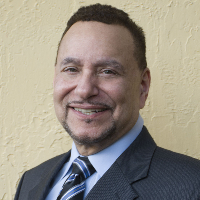
Ashley Gaines
LPC
Pennsylvania 20 years in practice
Licensed Professional Counselor - Anxiety and Stress
- Relationship
- Stress, Anxiety
- Trauma and abuse
Therapists who list CBT
7,564 therapists who list CBT also name relationship among the areas they work with. All offer sessions online; each profile shows their credentials as listed.
On this page you'll find therapists who list relationship work among their specialties, including couples therapy, communication rebuilding and transition support. Browse the listings below to review practitioner profiles, approaches, languages and experience.
LPC
Pennsylvania 20 years in practice
Licensed Professional Counselor - Anxiety and Stress
BACP
United Kingdom 5 years in practice
BACP counsellor - anxiety and stress support
LCSW
Missouri 20 years in practice
LCSW - relationships and stress
LMFT
California 10 years in practice
LMFT focused on anxiety and relationships
United Kingdom 5 years in practice
BACP counsellor - anxiety and stress
LCSW
North Carolina 7 years in practice
LCSW - relationships and parenting
LCSW
Oklahoma 15 years in practice
LCSW in Oklahoma - anxiety and relationships
LCSW
New York 31 years in practice
LCSW in New York - Stress and relationships
Texas 30 years in practice
Licensed Professional Counselor - Stress and Anxiety
LPC
Idaho 15 years in practice
LPC counselor - Stress and relationship concerns
LMHC
New York 11 years in practice
Licensed Mental Health Counselor - Anxiety and Eating Concerns
BACP
United Kingdom 14 years in practice
BACP counsellor - anxiety and relationships
BACP
United Kingdom 25 years in practice
BACP counsellor - anxiety and relationship support
LPC
Michigan 7 years in practice
Licensed counselor - anxiety and relationships
LPC
Mississippi 25 years in practice
Licensed Professional Counselor - Relationships and Mood
LPC
Texas 8 years in practice
Licensed Professional Counselor - Stress and Anxiety
Louisiana 30 years in practice
LPC counselor - relationship and anxiety work
BACP
United Kingdom 12 years in practice
BACP counsellor - anxiety and relationships
LPCC
Ohio 13 years in practice
LPCC counselor - stress and addictions
LPC
Texas 22 years in practice
Licensed Professional Counselor - Anxiety and Addictions
LPCC
Ohio 25 years in practice
LPCC in Ohio - Stress and Anxiety
LPC
Arizona 30 years in practice
Licensed Professional Counselor - Stress and Trauma
LICSW
Massachusetts 20 years in practice
LICSW - Stress and anxiety focus
Louisiana 17 years in practice
Licensed Professional Counselor - Anxiety and Trauma
LMHC
Florida 38 years in practice
Florida LMHC - Anxiety and life changes
NCPS
United Kingdom 4 years in practice
Counsellor - relationships and trauma
LMSW
Michigan 9 years in practice
LMSW - Anxiety and life changes
LIMFT
Ohio 19 years in practice English, Spanish
LIMFT in Ohio - Stress and Relationship Concerns
LCSW
Missouri 13 years in practice
Licensed Clinical Social Worker - mood and addiction work
LPC
Texas 15 years in practice
Licensed Professional Counselor - Anxiety and Relationships
LPC
Wisconsin 13 years in practice
LPC in Wisconsin - CBT and attachment work
NCPS
United Kingdom 6 years in practice
Counsellor - anxiety and relationships
LCSW
Illinois 10 years in practice
LCSW in Illinois - Anxiety and Depression
LCSW
Virginia 47 years in practice
LCSW - Anxiety and relationship concerns
LCSW
Florida 31 years in practice
LCSW - relationships and trauma
LCSW
California 10 years in practice
LCSW - Stress and anxiety support
North Carolina 23 years in practice
LCMHC - Anxiety and Addictions
LMHC, LMFT
Florida 30 years in practice English, Spanish
LMHC and LMFT - Anxiety and Trauma
LPCC
New Mexico 17 years in practice
LPCC in New Mexico - Stress and Anxiety
LCSW
Florida 12 years in practice
LCSW - Parenting and Anxiety
LCSW
Florida 18 years in practice
LCSW - anxiety and addiction support
BACP
United Kingdom 3 years in practice English, Greek
BACP counsellor - anxiety and relationships
LPC
Texas 3 years in practice
LPC in Texas - anxiety and life changes
BACP
United Kingdom 9 years in practice
BACP counsellor - anxiety and relationships
LMHC
New York 7 years in practice English, Indonesian
LMHC in New York - anxiety and relationships
Pennsylvania 11 years in practice
Rev. Michael Abell - LPC, Family and Anxiety
Texas 9 years in practice
LPC in Texas - anxiety and relationships
BACP, NCPS
United Kingdom 18 years in practice
Counsellor - Anxiety and Addictions
Some links on this page are partner links. We will earn a commission if you sign up through one, at no cost to you. It does not change what you pay or the order of the listings.
Relationship concerns cover a broad range of patterns and moments in partnerships, from everyday communication breakdowns to major life transitions that strain connection. You might be noticing repeated arguments that never resolve, a drift in emotional closeness, challenges blending families, or difficulty navigating change after events like moving, a new baby, job shifts or bereavement. Relationship difficulty is not limited to couples who live together - it can affect dating partners, long-term commitments, and other close partnerships where expectations and needs meet.
When relationship dynamics are tense, the effect is rarely contained. Difficulty with trust, communication or intimacy can make you feel anxious, depressed, distracted or exhausted. These strains commonly influence sleep, concentration and your capacity to manage work and parenting demands. You may find yourself re-routing social plans, avoiding topics that matter, or developing coping patterns that contribute to distance rather than closeness. Recognizing how relationship patterns influence your daily functioning is a first step toward deciding whether to seek support.
There are several indicators that you might benefit from exploring relationship therapy. One is persistent cycles of conflict that seem to repeat without resolution, leaving both partners feeling unheard or resentful. Another is a growing emotional distance - when you or your partner feel more like roommates than romantic companions, or when affection and physical intimacy have declined. You might also notice that communication has become defensive, reactive or minimal, making it hard to discuss important topics like finances, boundaries or family planning. If past hurts or betrayals continue to shape daily interactions, or if transitions feel destabilizing, therapy can offer a structured space to address those forces.
Sometimes the prompt for relationship therapy is not an interpersonal failing but individual distress that bleeds into the partnership. Anxiety, depression, a history of trauma, or differences in attachment style can shift how you relate to each other. If you find that personal emotions regularly lead to arguments, avoidance or misinterpretation of signals, therapy can help you and your partner separate individual patterns from shared patterns and create new ways of responding that reduce harm and increase understanding.
Your first sessions are often about assessment and clarity. A therapist will typically gather information about your relationship history, current challenges, strengths and hopes for change. You can expect questions about communication, conflict, intimacy, family backgrounds and specific events that feel important. The aim in these early meetings is to identify shared goals and to map the patterns that keep you stuck, rather than to assign blame. This stage sets the tone for collaborative work and helps both partners understand what progress might look like.
Sessions often alternate between exploration and skill-building. You may spend part of a session reflecting on interaction patterns and part practicing new ways of speaking and listening with guidance. Therapists frequently introduce communication techniques, emotion regulation strategies and structured exercises to help you practice outside the session. Some couples prefer joint sessions most of the time, while others integrate periodic individual sessions to address personal factors that affect the relationship. Sessions are typically paced to match your comfort level, balancing insight with practical tools so you leave with tangible steps you can try between meetings.
When you browse therapist profiles you will encounter a variety of approaches. Therapists who list emotionally focused therapy (EFT) among their approaches often emphasize attachment patterns and the emotional bonding cycle that shapes closeness. Those who list cognitive behavioral therapy (CBT) among their approaches may focus on how thoughts and behaviors influence interactions, offering skills to shift unhelpful patterns. Therapists who list systemic or family systems approaches among their approaches tend to explore how broader relational networks and roles contribute to the current dynamic. You may also see therapists who list psychodynamic, narrative, mindfulness-based, solution-focused, attachment-based or eclectic approaches among their approaches, each bringing a different lens on emotion, meaning and behavior.
Approach labels can help you understand the therapist's orientation, but they are not guarantees of method or outcome. A helpful way to use listings is to read how a therapist describes applying an approach to relationship work. Some practitioners note that they focus on communication skills and behavioral strategies, while others emphasize emotional processing or exploring family-of-origin influences. If trauma is relevant to your relationship, look for therapists who list trauma-informed practices or who explicitly mention working with relational wounds. Keep in mind that profiles often combine several approaches, and many therapists adapt their work to fit the needs of each couple.
Online therapy for relationship concerns typically uses video or phone sessions to create a live conversational setting, sometimes supplemented by messaging or workbook-style activities between sessions. The process mirrors many in-person elements - you and your partner can engage in guided conversations, receive feedback from the therapist, and practice skills in real time. Online formats can be especially helpful when partners live in different locations, have busy schedules, or prefer the convenience of meeting from home. Pay attention to technical considerations such as a stable internet connection, a quiet room where you can speak freely, and a device with a camera and microphone that allow natural interaction.
Start by clarifying what matters most to you. Consider whether you want a therapist who focuses on communication skills, emotional reconnection, parenting transitions, blended family dynamics, or another specific area. Use profile filters to explore credentials and experience, languages spoken and the approaches a therapist lists. Read practitioner descriptions to see how they describe their work with couples and whether their style feels compatible with your preferences. It can be helpful to choose a therapist who mentions working with both joint sessions and individual sessions if you anticipate needing both. Also pay attention to practical details like session length and whether the therapist describes working with long-term commitments, shorter-term goals, or particular life stages.
When you reach out or request a consultation, consider asking about the therapist's typical course of work with couples, how they handle conflict escalation, and how they measure progress. You do not need to expect a perfect match on the first try - therapy is a collaborative process and it is normal to meet a few clinicians before settling on the one whose style and language resonate most with you and your partner. Thoughtful searching, combined with clear communication about your goals, often leads to more productive and meaningful work over time.
Relationship work can be a pathway to clearer communication, renewed connection and better tools for managing conflict and change. Whether you are looking to repair a rupture, strengthen daily closeness, or navigate a shared transition, the therapists listed below offer a range of approaches and backgrounds to explore.