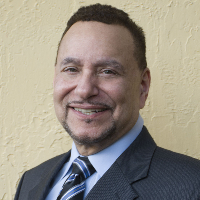
Ashley Gaines
LPC
Pennsylvania 20 years in practice
Licensed Professional Counselor - Anxiety and Stress
- Stress, Anxiety
- Relationship
- Trauma and abuse
Therapists who list CBT
7,632 therapists who list CBT also name coping with life changes among the areas they work with. All offer sessions online; each profile shows their credentials as listed.
On this page you will find therapists who list Coping with Life Changes as a focus, with a variety of approaches, credentials and languages. Browse the listings below to review profiles and learn how different clinicians describe their work with life transitions.
LPC
Pennsylvania 20 years in practice
Licensed Professional Counselor - Anxiety and Stress
BACP
United Kingdom 5 years in practice
BACP counsellor - anxiety and stress support
LCSW
Missouri 20 years in practice
LCSW - relationships and stress
LMFT
California 10 years in practice
LMFT focused on anxiety and relationships
United Kingdom 5 years in practice
BACP counsellor - anxiety and stress
LCSW
North Carolina 7 years in practice
LCSW - relationships and parenting
LCSW
Oklahoma 15 years in practice
LCSW in Oklahoma - anxiety and relationships
Texas 30 years in practice
Licensed Professional Counselor - Stress and Anxiety
LPC
Idaho 15 years in practice
LPC counselor - Stress and relationship concerns
LPC
Virginia 24 years in practice
LPC in Virginia - Anxiety and Addictions
LMHC
New York 11 years in practice
Licensed Mental Health Counselor - Anxiety and Eating Concerns
LPC
Texas 11 years in practice
LPC in Texas - Mood and anxiety support
BACP
United Kingdom 14 years in practice
BACP counsellor - anxiety and relationships
BACP
United Kingdom 25 years in practice
BACP counsellor - anxiety and relationship support
LPC
Michigan 7 years in practice
Licensed counselor - anxiety and relationships
LPC
Mississippi 25 years in practice
Licensed Professional Counselor - Relationships and Mood
Louisiana 30 years in practice
LPC counselor - relationship and anxiety work
BACP
United Kingdom 12 years in practice
BACP counsellor - anxiety and relationships
LPCC
Ohio 13 years in practice
LPCC counselor - stress and addictions
LPC
Texas 22 years in practice
Licensed Professional Counselor - Anxiety and Addictions
LPCC
Ohio 25 years in practice
LPCC in Ohio - Stress and Anxiety
LPC
Colorado 18 years in practice
LPC in Colorado - Stress and anxiety focus
BACP
United Kingdom 3 years in practice
Counsellor - Anxiety and Self-esteem
LPC
Arizona 30 years in practice
Licensed Professional Counselor - Stress and Trauma
LICSW
Massachusetts 20 years in practice
LICSW - Stress and anxiety focus
Louisiana 17 years in practice
Licensed Professional Counselor - Anxiety and Trauma
LMHC
Florida 38 years in practice
Florida LMHC - Anxiety and life changes
NCPS
United Kingdom 4 years in practice
Counsellor - relationships and trauma
LMSW
Michigan 9 years in practice
LMSW - Anxiety and life changes
LIMFT
Ohio 19 years in practice English, Spanish
LIMFT in Ohio - Stress and Relationship Concerns
LPC
Texas 15 years in practice
Licensed Professional Counselor - Anxiety and Relationships
LPC
Wisconsin 13 years in practice
LPC in Wisconsin - CBT and attachment work
NCPS
United Kingdom 6 years in practice
Counsellor - anxiety and relationships
LCSW
Illinois 10 years in practice
LCSW in Illinois - Anxiety and Depression
LCSW
Virginia 47 years in practice
LCSW - Anxiety and relationship concerns
LCSW
California 10 years in practice
LCSW - Stress and anxiety support
North Carolina 23 years in practice
LCMHC - Anxiety and Addictions
LMHC, LMFT
Florida 30 years in practice English, Spanish
LMHC and LMFT - Anxiety and Trauma
LPCC
New Mexico 17 years in practice
LPCC in New Mexico - Stress and Anxiety
LCSW
Florida 12 years in practice
LCSW - Parenting and Anxiety
LCSW
Florida 18 years in practice
LCSW - anxiety and addiction support
BACP
United Kingdom 3 years in practice English, Greek
BACP counsellor - anxiety and relationships
LPC
Texas 3 years in practice
LPC in Texas - anxiety and life changes
BACP
United Kingdom 9 years in practice
BACP counsellor - anxiety and relationships
LMHC
New York 7 years in practice English, Indonesian
LMHC in New York - anxiety and relationships
Pennsylvania 11 years in practice
Rev. Michael Abell - LPC, Family and Anxiety
Texas 9 years in practice
LPC in Texas - anxiety and relationships
BACP, NCPS
United Kingdom 18 years in practice
Counsellor - Anxiety and Addictions
Some links on this page are partner links. We will earn a commission if you sign up through one, at no cost to you. It does not change what you pay or the order of the listings.
Life changes - whether expected or sudden - require adjustments to routines, identity and relationships. These shifts can include moving to a new city, becoming a parent, ending a relationship, changing careers, retiring, experiencing a health challenge or grieving the loss of someone close. Even changes you sought can produce stress when the practical and emotional demands accumulate. You may find yourself feeling disoriented, fatigued, or less confident as the familiar patterns that once helped you function shift or fall away.
Coping with change involves more than handling a task list. It often asks you to reorganize how you think about yourself and your future. You may notice mood swings, difficulty concentrating, or trouble sleeping as your brain processes new realities. Relationships can become strained as roles change and expectations shift. Some people notice changes in appetite or motivation, or they may withdraw from activities that once brought pleasure. Acknowledging that a transition is affecting you does not mean you are unable to manage it - it can mean that you could benefit from focused support to build skills, find resources and discover new ways to adapt.
You might consider seeking help when a transition begins to interfere with daily routines, relationships or your sense of wellbeing. If you find that sleep, appetite, concentration or energy levels are markedly different and these changes persist, that can be a sign that added support would be useful. Emotional reactions such as prolonged sadness, overwhelming anxiety, persistent irritability or emotional numbness can indicate that a change is taking more of your capacity than you expected.
Another signal that therapy could help is when coping strategies that worked in the past no longer do. You may notice increased reliance on avoidance, substance use, or isolation, or repeated arguments with people close to you. Practical difficulties like trouble at work, trouble making decisions about a new role, or repeated setbacks in planning for the future can also point to the value of professional support. If you find yourself replaying events, feeling stuck in grief or guilt, or unable to envision a path forward, a therapist can help you explore those patterns and identify steps that fit your values and circumstances.
When you begin working with a therapist on life changes, the initial sessions typically involve sharing your story and the practical details of the transition. The clinician will ask about your current challenges, how the change is affecting relationships and routines, and what you hope to achieve in therapy. Together you and the therapist usually set short-term goals that are tied to your immediate needs as well as longer-term objectives around meaning, identity and life structure.
Sessions are often collaborative. You can expect a mix of listening, reflection and skill building. Therapy may include exploring the emotions attached to the change, identifying unhelpful thinking patterns that worsen distress, and practicing concrete strategies to manage stress and decision-making. Many therapists use homework assignments such as journaling, behavioral experiments or communication practice to help you apply insights between sessions. Over time you can review progress and adjust goals, focusing on building resilience - the set of skills that helps you respond flexibly to future changes as well as the present one.
Therapists apply a range of approaches when working with transitions. Cognitive-behavioral methods are frequently used to identify and shift thought patterns that increase anxiety or sadness, and to replace avoidance with manageable, structured steps. Acceptance-oriented approaches invite you to notice and allow difficult feelings without letting them dictate your actions, which can be especially useful when grief or ambiguity is present. Narrative approaches help you examine the story you tell about yourself and the transition, offering ways to rewrite narratives that feel limiting or defeatist.
Interpersonal methods focus on how the change affects your relationships and on improving communication, boundaries and role transitions. Grief-focused therapy addresses loss specifically - whether it is the death of someone, the loss of an expected life course, or the sense of losing a version of yourself. Some therapists list EMDR among their approaches and may use elements or protocols associated with processing intense memories when the transition connects to traumatic experiences. Mindfulness and stress-reduction techniques are often integrated to help regulate emotions and increase present-moment coping. It is common for therapists to draw from several approaches in a tailored way rather than following a single method strictly.
Online therapy offers ways to meet with a clinician by video, phone or text-based messaging, which can make it easier to fit support into a changing schedule or when in-person options are limited. You can conduct sessions from a quiet room in your home or another personal area that feels comfortable. Technology platforms used by clinicians are designed to protect your information and meet professional practice standards. Before starting, you will usually receive information about session length, fees, cancellation policies and how to handle emergencies. Many therapists will discuss how they handle records and what to expect if you need resources between sessions.
Begin by clarifying what matters most to you. Consider whether you want someone who emphasizes practical coping skills, someone who focuses on emotional processing, or someone experienced with specific life events such as bereavement, career shifts or relocation. Look for clinicians whose profiles list working with the kinds of changes you are facing and note the approaches they describe. If a particular technique is important to you, such as trauma-focused work or mindfulness-based methods, seek therapists who list those among their approaches and ask about how they apply them in practice.
Pay attention to practical factors that affect the match. Think about languages spoken, theoretical orientation, typical session length and fee range. Consider the therapist's descriptions of their work style - whether they emphasize collaboration, structured skill building or exploratory processing - and how that aligns with your preferences. Reading profiles and introductory bios can give you a sense of communication style and values. You might also reflect on logistical needs like time zones and whether you prefer video, phone or text-based contact. Choosing a therapist is a personal process - give yourself permission to prioritize clarity about goals and rapport, and to look for a clinician whose approach and experience feel like a fit for the transition you are navigating.
Navigating life changes is rarely linear, and it is normal to revisit decisions as circumstances evolve. Whether you are facing anticipated transitions or sudden upheaval, targeted therapeutic support can help you process what has shifted, build practical skills for everyday functioning and explore how new chapters might align with your values. The therapists listed on this page describe a range of methods and experiences related to coping with life changes - reviewing profiles can help you find a clinician whose skills and style match the kind of support you want as you move forward.