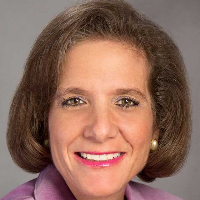
Therapist profile
Dr. Dwight Eisenman, LPC, LMHC
Licensed in Florida 12 years in practice Online sessions
LMHC LPC - Anxiety and Addictions
About Dwight
Dr. Dwight Eisenman is a Licensed Professional Counselor (LPC) and a Licensed Mental Health Counselor (LMHC) with 12 years of clinical experience. He practices in Kansas and describes working with stress, anxiety, addictions, LGBT concerns, relationship and intimacy issues, and grief among other concerns.
He offers practical help for people coping with career strain, low self-esteem, anger, and life transitions. He begins by listening to what matters most to the person in front of him.
Background and approach
Sessions move from identifying stressful thoughts and habits to trying small, concrete changes. He uses clear, goal-focused steps rather than long, abstract explanations. Progress is checked in simple ways so people can see what changes are working.
Dr. Eisenman draws on Cognitive Behavioral Therapy and Acceptance and Commitment Therapy to address unhelpful thinking and avoidant patterns. He also uses client-centered conversation, emotionally-focused techniques, and motivational interviewing to clarify values and strengthen motivation.
These methods are used to help people notice patterns, practice new responses, and manage strong feelings. His approach is practical and collaborative. He helps people set achievable short-term goals and adjusts plans as needed.
Sessions may include problem-solving, skills practice, and direct feedback that aim to build steady, manageable change. People who prefer a straightforward, structured approach to dealing with anxiety, depression, addiction challenges, grief, or relationship strain may find his style fitting. Language offered is English and international clients are not accepted.
If you want to move from worry to concrete steps, he can guide that process.
What Dwight works with
The areas Dwight lists on their profile, in their own terms. If what you would like to work on is not on the list, it is fine to ask about it.
- Stress, Anxiety
- Addictions
- LGBT
- Relationship issues
- Self esteem
- Family conflicts
- Grief
- Intimacy-related issues
- Anger management
- Career difficulties
- Depression
- Coping with life changes
- Coaching
- Compassion fatigue
Methods Dwight lists
- Cognitive Behavioral Therapy (CBT)
- Acceptance and Commitment Therapy (ACT)
- Client-Centered Therapy
- Emotionally-Focused Therapy (EFT)
- Motivational Interviewing
- Psychodynamic Therapy
- Solution-Focused Therapy
Listing an approach is not evidence of training in it. This directory shows what each therapist names and does not check training records.
How his approaches translate to online work
Dr. Eisenman commonly uses Cognitive Behavioral Therapy and Acceptance and Commitment Therapy in his work. CBT focuses on identifying specific thoughts and behaviors that keep problems going and testing out new, practical responses. ACT helps people clarify what matters to them and practice actions that match those values even when feelings are strong.He also uses client-centered conversation to listen closely and motivational interviewing to build commitment to change. Together these approaches are applied in a collaborative way: the therapist and client decide what to try, set short-term goals, and review what helps. Finding the best combination of methods is part of the work rather than a fixed prescription.
The original biography does not list which online formats are offered, so confirm current session options before booking. In general, online sessions can make it easier to fit therapy into a busy life, allow shorter check-ins when needed, and reduce travel time. Those practical benefits can help people maintain steady work on goals such as managing anxiety, practicing new skills from CBT, or sustaining changes the client wants to make.
We will earn a commission if you sign up through our link, at no cost to you. It does not change what you pay or the order of the listings.
Questions people ask about Dwight
What concerns does he work with most often?
He works with stress, anxiety, addictions, LGBT matters, relationship and intimacy issues, grief, anger, career strain, low self-esteem, depression, coping with life changes, coaching, and compassion fatigue.
How does he use Cognitive Behavioral Therapy?
He uses CBT to help people notice unhelpful thoughts and habits and to try small, practical changes. The focus is on clear steps and measurable progress rather than long theoretical discussion.
What is his background and experience?
He has 12 years of professional work experience and practices in Kansas. His training and clinical years are reflected in the range of issues he lists.
What are his credentials and where is he based?
He holds LPC and LMHC credentials and works in Kansas. The profile lists his professional titles as LPC and LMHC only.
What languages are supported and can international clients book?
Sessions are offered in English. International clients are not currently accepted.
Which session formats are available?
The original biography does not specify session formats. Confirm current session options before booking to know whether sessions are in person, video, or phone.
How much do sessions cost?
Cost varies with location; sessions use a subscription that can be canceled at any time. Exact pricing depends on the option chosen and the location of services.
How do I begin working with him?
Select the See online therapy options button, complete the short matching questionnaire, and schedule a first session through the platform.