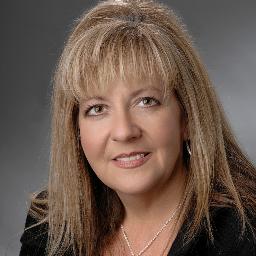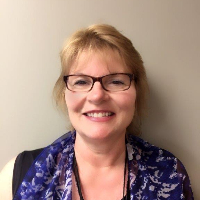
Lucas Streets
LCPC, LPC
Kansas 15 years in practice
Licensed counselor - anxiety and relationships
- Stress, Anxiety
- Relationship
- Family
Therapists who list CBT
66 therapists licensed in Kansas list CBT among their approaches. Each profile shows the license and NPI as listed. Sessions are online.
Welcome to our directory for online therapists serving Kansas. All therapists listed here are licensed; explore profiles to compare approaches, credentials and languages offered.
LCPC, LPC
Kansas 15 years in practice
Licensed counselor - anxiety and relationships
LSCSW
Kansas 18 years in practice
LSCSW - Anxiety and Relationship Concerns
Kansas 17 years in practice
Licensed Clinical Professional Counselor - Anxiety and Relationships
LCPC
Kansas 11 years in practice
LCPC in Kansas - Stress and Anxiety
LSCSW
Kansas 40 years in practice
Kansas LSCSW - Stress and Anxiety
LSCSW, LISW
Kansas 41 years in practice
LSCSW LISW - Stress and relationship concerns
LSCSW
Kansas 4 years in practice
LSCSW - Stress and Trauma focus
LPC, LCPC
Kansas 7 years in practice
LPC LCPC - Stress and relationship issues
LCPC
Kansas 30 years in practice
LCPC in Kansas - Stress and Relationship concerns
LSCSW
Kansas 30 years in practice
LSCSW in Kansas - Stress and Trauma support
LMFT, LCMFT
Kansas 36 years in practice
Dr. Charles Tullis, Jr. LMFT - Relationship and family work
LSCSW
Kansas 10 years in practice
LSCSW in Kansas - Anxiety and relationships
LCPC, LPC
Kansas 24 years in practice
LCPC LPC - Stress and Anxiety
LCPC
Kansas 7 years in practice
Kansas LCPC - Relationship and Trauma
LSCSW
Kansas 26 years in practice
LSCSW in Kansas - Depression and Anxiety
LSCSW
Kansas 7 years in practice
LSCSW in Kansas - Anxiety and Family concerns
LSCSW, LCSW
Kansas 20 years in practice
Licensed social worker - stress and parenting
LCSW, LSCSW
Kansas 35 years in practice
LCSW in Kansas and Missouri - Relationships and Life Changes
LSCSW
Kansas 19 years in practice
LSCSW - Anxiety and Trauma
LSCSW, LCSW
Kansas 30 years in practice
LCSW in Kansas - Stress and Relationships
LPC, LCPC
Kansas 11 years in practice
Dr. Ryan Hale LPC LCPC - Anxiety and Stress
LPC, LCPC
Kansas 10 years in practice
LPC LCPC - Stress and Relationship support
LSCSW
Kansas 14 years in practice
LSCSW - stress and trauma support
LSCSW
Kansas 6 years in practice
LSCSW - Stress and Anxiety support
LPC, LMHC
Kansas 12 years in practice
LMHC LPC - Anxiety and Addictions
LCSW
Kansas 6 years in practice
LCSW - Stress and relationship issues
LSCSW
Kansas 8 years in practice
LSCSW in Kansas - Addictions and Family concerns
LSCSW, LCSW
Kansas 16 years in practice
LSCSW LCSW - Stress and Anxiety
LCSW, LSCSW
Kansas 6 years in practice
LCSW in Kansas - anxiety and relationships
LSCSW
Kansas 40 years in practice
Dr. Juanita McGowan - LSCSW, Stress and Anxiety
LCMFT, LMFT
Kansas 27 years in practice
Licensed marriage and family therapist - relationships and addiction
LSCSW, LCSW
Kansas 40 years in practice
LSCSW LCSW - Stress and relationship issues
LCSW, LSCSW
Kansas 16 years in practice
LCSW therapist - anxiety and relationships
LCPC
Kansas 30 years in practice
LCPC in Kansas - Stress and Anxiety
LCSW, LSCSW
Kansas 15 years in practice
Licensed Clinical Social Worker - Stress and Anxiety
LSCSW, LCSW
Kansas 14 years in practice
LCSW in Kansas focused on practical goals
LCMFT
Kansas 11 years in practice
Licensed therapist - relationships and mood
LCPC
Kansas 6 years in practice
LCPC counselor - anxiety and mood concerns
LCPC
Kansas 25 years in practice
LCPC in Kansas - Stress and Anxiety
LCSW, LSCSW
Kansas 7 years in practice
Licensed Clinical Social Worker - Trauma and Addiction
LSCSW
Kansas 5 years in practice
LSCSW - Stress and trauma support
LCPC
Kansas 15 years in practice
LCPC in Kansas - relationships and mood
LPC, LCPC
Kansas 16 years in practice
Licensed counselor - relationships and mood
LSCSW, LCSW
Kansas 7 years in practice
LCSW in Kansas - stress and trauma
LCPC
Kansas 22 years in practice
LCPC in Kansas - Stress and Anxiety
LCSW
Kansas 10 years in practice
LCSW - Anxiety and relationship concerns
LCMFT, LMFT
Kansas 20 years in practice
Licensed marriage and family therapist - relationships and trauma
LSCSW, LCSW
Kansas 5 years in practice
Licensed Social Worker - Stress and Anxiety
Some links on this page are partner links. We will earn a commission if you sign up through one, at no cost to you. It does not change what you pay or the order of the listings.
Online therapy has become an established way to access mental health and behavioral health support across Kansas. You will find clinicians offering remote sessions by video and phone from a variety of professional backgrounds - licensed clinical social workers, licensed professional counselors, marriage and family therapists, psychologists and others who list a range of approaches among their work. For many Kansans, online therapy expands geographic reach so you can connect with a clinician whose focus, language abilities and therapeutic style match your needs even if they are not in your immediate town. Regulations around telehealth continue to evolve, but the central point for you is that the therapists in this directory hold state licensure and list the approaches they use. That transparency helps you narrow possibilities before you reach out to learn more about fit and logistics.
When you choose remote sessions, you gain flexibility that can make consistent care easier to maintain. You may save commute time and reduce scheduling friction, which can be especially helpful if you live in a rural county or have family or work responsibilities that make in-person visits difficult. Online sessions can also allow you to see clinicians who list specialized approaches or language skills not commonly available nearby. For people managing chronic stress, transitions, or relationship concerns, that broader pool increases the chance of finding a good match. In addition, many therapists who offer online work adapt session length and frequency to fit what you need, and you may be able to use a computer, tablet or smartphone to meet from a comfortable setting at home. To get the most benefit, think about the environment where you will meet - a quiet, interruption-free area and a reliable internet connection can make sessions more productive for you and the clinician.
Therapists who list online services work with a wide range of concerns that affect daily life, relationships and emotional well-being. You can find clinicians who focus on mood-related difficulties such as depression and anxiety, on trauma-related symptoms, grief and loss, or on life-stage challenges like parenting, midlife transitions and retirement adjustment. Couples and family issues are commonly addressed through remote sessions that include both partners or family members in separate locations. Providers also often list specialty approaches for substance use concerns, stress management, workplace stress and performance issues, and support for people navigating identity, sexuality or cultural questions. Many clinicians include skills-based interventions among their approaches, and others list trauma-focused approaches or attachment-informed work. When you browse profiles, look for the kinds of concerns and approaches that resonate with your goals so you can prioritize conversations with therapists who seem aligned with what you want to work on.
Verifying licensure is an important step in choosing a clinician. You can start by asking the therapist for their license type and license number, then check the state regulatory board's online license verification system. In Kansas, the Behavioral Sciences Regulatory Board maintains records for many mental health professions; that public lookup shows whether a license is active, the license type, expiration dates and any public disciplinary history. When you search, confirm the exact name on file and cross-reference the license number if one is provided. If you prefer not to use an online lookup, you can contact the regulatory board by phone or email to request the same information. Reviewing a license record helps you confirm that the clinician holds the credential they list and provides transparency about their standing. Keep in mind that licensure types differ - understanding whether a clinician is an LPC, LCSW, LMFT, PhD or PsyD will help you interpret their listed education and scope of practice. If you have questions about what a license authorizes, the regulatory board can explain the distinctions and any practice limitations that may be relevant to online work.
Getting started usually means several small steps that help you feel prepared. First, identify what you want to address in therapy and what matters most to you in a therapeutic relationship - for example, experience with a particular issue, a style that is skills-focused versus exploratory, or shared language and cultural background. Next, use profile search filters to find clinicians who list relevant approaches and credentials. When you reach out, you can ask about the therapist's approach to working remotely, what a typical session looks like, session length and fee policies. If insurance is a factor, ask whether the clinician accepts your plan and whether they provide a billing receipt you can use for reimbursement. Before your first session, test your device and internet connection and choose a quiet space where you can speak without interruptions. Many therapists will outline simple expectations for technology and etiquette up front - understanding those details can help you enter your first meeting with clarity. Finally, give yourself permission to try a few clinicians if the first one does not feel like the best fit - it is reasonable to consider rapport and fit just as important as credentials.
Choosing a therapist is a personal process and one you can approach thoughtfully. Start by noting the specific issues you want to address and then look for clinicians who list relevant experience and therapeutic approaches. Rather than assuming that a particular label guarantees a certain outcome, focus on how the clinician describes their work and what aligns with your preferences. Consider practical factors such as session format, language, fees and whether the clinician lists experience with clients who share similar backgrounds or life circumstances. When you contact a therapist, ask about what a typical course of work looks like, how they measure progress and what you might expect in the early sessions. Pay attention to how comfortable you feel communicating with them during your initial interactions - a clear explanation of boundaries, scheduling policies and what to do in a crisis can help you understand their professional style. Trust your judgment about rapport, and remember that it is acceptable to speak with more than one clinician before deciding who you will work with for a longer period. Taking these steps will help you find a remote therapist who meets your needs and supports the goals you bring to care.
Online therapy in Kansas gives you more options to connect with clinicians who list approaches and skills that match your goals. By verifying licensure, clarifying logistics and reflecting on what matters most in a therapeutic relationship, you can make thoughtful choices about where to invest your time and energy. Use the directory to review profiles, compare approaches and reach out to clinicians to learn more about their work - taking the first step can make it easier to find the support you need.