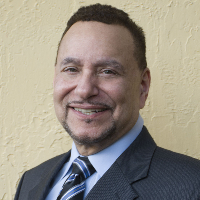
Ashley Gaines
LPC
Pennsylvania 20 years in practice
Licensed Professional Counselor - Anxiety and Stress
- Stress, Anxiety
- Relationship
- Trauma and abuse
Therapists who list CBT
6,781 therapists who list CBT also list Solution-Focused Therapy among their methods. Listing an approach is not evidence of training in it; ask directly how they use it.
Solution-Focused Therapy emphasizes building on your strengths and practical steps to reach specific goals rather than focusing primarily on past problems. Below you can browse profiles of therapists who list Solution-Focused Therapy among their approaches.
LPC
Pennsylvania 20 years in practice
Licensed Professional Counselor - Anxiety and Stress
BACP
United Kingdom 5 years in practice
BACP counsellor - anxiety and stress support
United Kingdom 5 years in practice
BACP counsellor - anxiety and stress
LCSW
North Carolina 7 years in practice
LCSW - relationships and parenting
LCSW
Oklahoma 15 years in practice
LCSW in Oklahoma - anxiety and relationships
LCSW, CSW
Colorado 12 years in practice
LCSW - Stress and anxiety support
Texas 30 years in practice
Licensed Professional Counselor - Stress and Anxiety
LPC
Idaho 15 years in practice
LPC counselor - Stress and relationship concerns
LMHC
New York 11 years in practice
Licensed Mental Health Counselor - Anxiety and Eating Concerns
LPC
Texas 11 years in practice
LPC in Texas - Mood and anxiety support
BACP
United Kingdom 14 years in practice
BACP counsellor - anxiety and relationships
BACP
United Kingdom 25 years in practice
BACP counsellor - anxiety and relationship support
LPC
Michigan 7 years in practice
Licensed counselor - anxiety and relationships
Louisiana 30 years in practice
LPC counselor - relationship and anxiety work
ACA
Australia 4 years in practice
ACA counsellor - Stress and addictions
LPC
Texas 22 years in practice
Licensed Professional Counselor - Anxiety and Addictions
LCSW
North Carolina 5 years in practice
LCSW - Anxiety and trauma support
LPC
Colorado 18 years in practice
LPC in Colorado - Stress and anxiety focus
BACP
United Kingdom 3 years in practice
Counsellor - Anxiety and Self-esteem
LPC
Arizona 30 years in practice
Licensed Professional Counselor - Stress and Trauma
LICSW
Massachusetts 20 years in practice
LICSW - Stress and anxiety focus
LCSW
Texas 14 years in practice
Dr. Tomika Hardy - LCSW, addiction and trauma
Louisiana 17 years in practice
Licensed Professional Counselor - Anxiety and Trauma
LMHC
Florida 38 years in practice
Florida LMHC - Anxiety and life changes
LMSW
Michigan 9 years in practice
LMSW - Anxiety and life changes
LIMFT
Ohio 19 years in practice English, Spanish
LIMFT in Ohio - Stress and Relationship Concerns
LCSW
Missouri 13 years in practice
Licensed Clinical Social Worker - mood and addiction work
LPC
Texas 15 years in practice
Licensed Professional Counselor - Anxiety and Relationships
NCPS
United Kingdom 6 years in practice
Counsellor - anxiety and relationships
LCSW
Illinois 10 years in practice
LCSW in Illinois - Anxiety and Depression
LCSW
Virginia 47 years in practice
LCSW - Anxiety and relationship concerns
LCSW
Florida 31 years in practice
LCSW - relationships and trauma
LCSW
California 10 years in practice
LCSW - Stress and anxiety support
North Carolina 23 years in practice
LCMHC - Anxiety and Addictions
LMHC, LMFT
Florida 30 years in practice English, Spanish
LMHC and LMFT - Anxiety and Trauma
LPCC
New Mexico 17 years in practice
LPCC in New Mexico - Stress and Anxiety
LCSW
Florida 12 years in practice
LCSW - Parenting and Anxiety
LCSW
Florida 18 years in practice
LCSW - anxiety and addiction support
LMHC
New York 7 years in practice English, Indonesian
LMHC in New York - anxiety and relationships
Pennsylvania 11 years in practice
Rev. Michael Abell - LPC, Family and Anxiety
BACP, NCPS
United Kingdom 18 years in practice
Counsellor - Anxiety and Addictions
LCPC
Illinois 7 years in practice English, Spanish
Illinois LCPC - Anxiety and Relationships
LICSW
Minnesota 37 years in practice
LICSW - Stress and Trauma focused
LISW
Ohio 4 years in practice
Ohio LISW - Anxiety and Parenting
LPC
Wisconsin 23 years in practice
Licensed Professional Counselor - Anxiety and Depression
LCSW
Florida 27 years in practice
LCSW - Stress and relationship concerns
LCSW, LISW
South Carolina 20 years in practice
LCSW LISW - Anxiety and Relationship Support
LPC
Michigan 10 years in practice
Licensed Professional Counselor - Addiction and Anxiety
Some links on this page are partner links. We will earn a commission if you sign up through one, at no cost to you. It does not change what you pay or the order of the listings.
Solution-Focused Therapy (SFT) is an approach that centers on identifying where you want to go and the small, concrete steps that can get you there. Rather than spending most of the time unpacking the origins of a problem, SFT emphasizes your resources, previous successes, exceptions to the issue, and immediate actions that help produce change. The work is collaborative: you and your therapist construct a shared picture of a preferred future and then outline manageable, observable changes that indicate progress.
Several simple but powerful principles guide this work. First, change begins even when a tiny difference appears, so early and small shifts are valued. Second, your own goals shape the process - the therapist asks questions that help you describe what life would look like once the issue is reduced or resolved. Third, the approach assumes you have strengths and competencies that can be applied toward solutions, and therapy helps you recognize and mobilize those assets. Finally, SFT uses practical tools such as scaling questions and exception-finding to make progress clear and actionable.
Solution-Focused Therapy is often chosen for concerns that benefit from targeted, goal-directed work. People seek this approach for relationship difficulties, stress management, adjustment to life transitions, mild to moderate anxiety, and goal clarification. It is also commonly used for performance-related issues, such as improving workplace interactions or academic motivation, because it helps you narrow down realistic steps that produce visible change.
Because the approach is oriented around concrete outcomes, it can be helpful when you want short-term, practical strategies rather than an extended exploration of past events. It is used with individuals, couples, and families. Therapists who list Solution-Focused Therapy among their approaches may combine its techniques with other modalities when circumstances call for broader or deeper work. If your concerns are complex or long-standing, SFT can still play a productive role as part of a tailored plan that incorporates different methods to meet your needs.
When you attend an SFT session, the tone is generally forward-looking and collaborative. A typical session begins with brief check-in questions to identify changes since the last meeting and to establish the immediate focus. The therapist will ask you to describe your goals in concrete terms - what would be different if the problem were reduced - and may invite you to visualize or narrate a preferred future. This helps make aspirations tangible and testable.
Several recurring techniques guide the conversation. The miracle question asks you to imagine how you would know a miracle had occurred overnight - what you would see or do differently. Scaling questions invite you to rate, on a numeric scale, where you are now relative to your goal and what a one-point improvement might look like. Exception-seeking explores moments when the problem is less intense or absent, drawing out what was happening then and how you can repeat those conditions. At the end of a session, you and the therapist typically agree on small, practical steps to try before the next meeting. These tasks are meant to be achievable and to generate observable evidence of progress.
Solution-Focused Therapy differs from many traditional therapies in its emphasis on the present and the future rather than the past. While psychodynamic or insight-oriented therapies may spend considerable time exploring early life experiences and unconscious patterns, SFT keeps the focus on what you want to achieve and the resources you can deploy now. Cognitive approaches share a focus on present problems, but SFT tends to be shorter and more oriented toward small behavioral experiments and quick reinforcement of success rather than extended cognitive restructuring.
Compared with problem-focused models that analyze the origins and mechanics of an issue in depth, SFT deliberately narrows attention to exceptions and solutions. This does not mean it ignores context or complexity; rather, it offers a different entry point into change by leveraging what already works in your life. Therapists who use SFT often blend it with complementary approaches when a broader exploration is beneficial. The pragmatic orientation makes it appealing if you value measurable steps and a time-efficient path toward specific improvements.
If you are seeking clear, actionable steps and want an approach that prioritizes concrete outcomes, you may find SFT a good fit. People looking for brief, focused help on a particular issue - such as improving a relationship pattern, managing situational stress, or setting and achieving personal goals - often respond well to this method. You may also prefer SFT if you appreciate a collaborative process that highlights your strengths and past successes rather than a lengthy exploration of origins.
To find a therapist who works with Solution-Focused Therapy, look for clinicians who list it among their approaches so you can learn how they describe their use of the method. When reviewing profiles, pay attention to the focus areas they mention, the populations they work with, their professional credentials, languages spoken, and examples of how they describe the therapy process. Consider whether their stated approach and experience align with your goals and preferences for session structure and pace. It can be helpful to read therapist summaries to see how they frame practical steps, goal-setting, and outcome measurement. Choosing someone whose style and values resonate with you increases the likelihood that the collaborative work will feel productive.
Finally, remember that a good match is both about approach and rapport. Even within the same modality, therapists vary in how directive or exploratory they are, how much they emphasize homework or in-session experimentation, and how they prioritize emotional processing versus behavioral change. Take time to review profiles and introductory descriptions so you can select a therapist whose approach to Solution-Focused Therapy feels like the right fit for your needs and preferences.