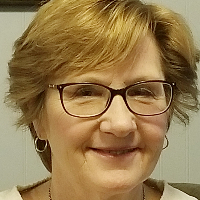
Therapist profile
Geoffrey Golia, LCSW
Licensed in New York 11 years in practice Online sessions
LCSW - Relationships and Mood Concerns
About Geoffrey
Geoffrey Golia is a Licensed Clinical Social Worker (LCSW) with 11 years of clinical experience based in New York. He focuses on stress, anxiety, relationships, family and parenting concerns, and common mood disorders including depression and bipolar conditions. He began his career after earning a Master of Social Work from NYU's Silver School of Social Work in 2012.
A personal experience as a therapy client influenced his decision to become a clinician and shaped how he approaches sessions.
Background and approach
Geoffrey brings practical strategies and an interest in how people's past relationships affect present reactions. His approach combines several methods. Cognitive Behavioral Therapy (CBT) is used to identify unhelpful thoughts and test new behaviors.
Attachment-Based Therapy looks at how early bonds affect current relationships. Dialectical Behavior Therapy (DBT) skills are included for emotion regulation and distress tolerance when helpful. He has worked with people facing substance use and co-occurring mental health issues, justice-involved and formerly incarcerated young men, college students, and adults across a wide age range.
Those experiences inform his focus on life transitions, parenting challenges, blended family issues, abandonment and attachment concerns, and relationship patterns. Sessions emphasize clear goals, skill practice, and frank conversations about obstacles. Geoffrey also uses motivational interviewing and psychodynamic ideas when they fit the work.
Prospective clients are encouraged to confirm session formats and scheduling details before booking. He offers therapy in English and practices from a perspective that values practical steps toward change and clearer ways of relating to others.
What Geoffrey works with
The areas Geoffrey lists on their profile, in their own terms. If what you would like to work on is not on the list, it is fine to ask about it.
- Stress, Anxiety
- Relationship issues
- Family conflicts
- Parenting issues
- Career difficulties
- Addictions
- LGBT
- Trauma and abuse
- Grief
- Intimacy-related issues
- Anger management
- Self esteem
- Bipolar disorder
- Depression
- Coping with life changes
- Coaching
- Compassion fatigue
- Abandonment
- Attachment issues
- Blended family issues
- Commitment issues
- Divorce and separation
- Family of origin issues
- Fatherhood issues
- Isolation / loneliness
- Life purpose
- Men's issues
- Midlife crisis
- Mood disorders
- Narcissism
- Personality disorders
- Post-traumatic stress
- Young adult issues
Methods Geoffrey lists
- Cognitive Behavioral Therapy (CBT)
- Attachment-Based Therapy
- Dialectical Behavior Therapy (DBT)
- Motivational Interviewing
- Psychodynamic Therapy
Listing an approach is not evidence of training in it. This directory shows what each therapist names and does not check training records.
How his CBT, attachment work and DBT skills translate online
Geoffrey uses Cognitive Behavioral Therapy to help people notice unhelpful thoughts and try different behaviors; this often means setting clear goals, practicing skills between sessions, and reviewing progress together. Attachment-Based Therapy looks at how early relationships shape current reactions and focuses on patterns in close relationships and communication. Dialectical Behavior Therapy provides concrete skills for emotion regulation, distress tolerance, and managing intense feelings when those problems arise.Choosing an approach is collaborative. He will discuss goals, preferences, and what has or has not worked before. Together they decide which methods to prioritize and adjust the plan as progress is tracked and needs change.
The original biography did not specify which session formats are offered, so confirm current online options before booking. Online work can make it easier to fit sessions into a weekly routine, reduce travel time, and allow brief check-ins when schedules are tight. It also makes it possible to practice skills in real-life settings and then reflect on those moments in the next session. Licensed professionals can adapt exercises, homework, and skill coaching to remote formats to support steady progress without promising a specific outcome.
We will earn a commission if you sign up through our link, at no cost to you. It does not change what you pay or the order of the listings.
Questions people ask about Geoffrey
What concerns does he commonly address?
He works with stress, anxiety, relationship and family issues as well as mood disorders like depression and bipolar conditions. He also supports people with trauma, substance use concerns, grief, and challenges around intimacy and self-esteem.
How does he use Cognitive Behavioral Therapy in sessions?
CBT is used to identify unhelpful thought patterns and try different behaviors. Sessions include practical exercises and tracking to test what changes help in daily life.
What experience does he bring to his practice?
He has 11 years of clinical experience and has worked with people affected by substance use, justice-involvement, college settings, foster care impacts, and a wide adult age range. Those roles inform his approach to life changes and relationship patterns.
What are his credentials and where is he based?
He is an LCSW licensed in New York and Connecticut and practices from New York. The listing shows the credential as LCSW.
Which languages are supported and are international clients accepted?
Sessions are offered in English. International clients are not currently accepted.
What session formats are available?
The original biography did not list specific session formats. Please confirm current session options before booking.
How are fees handled?
Cost varies with location and sessions use a subscription model that can be canceled at any time. Exact pricing depends on the chosen subscription and local location.
How do I begin working with him?
Select the See online therapy options button, complete a short matching questionnaire, and schedule a first session. That process connects you and allows scheduling the initial appointment.