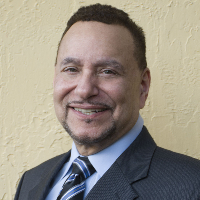
Ashley Gaines
LPC
Pennsylvania 20 years in practice
Licensed Professional Counselor - Anxiety and Stress
- Stress, Anxiety
- Relationship
- Trauma and abuse
Therapists who list CBT
5,744 therapists who list CBT also name isolation / loneliness among the areas they work with. All offer sessions online; each profile shows their credentials as listed.
This page lists therapists who identify isolation and loneliness among their specialties. Use the listings below to explore clinicians by approach, credentials, languages and focus areas. Browse profiles to find someone whose perspective fits what you are looking for.
LPC
Pennsylvania 20 years in practice
Licensed Professional Counselor - Anxiety and Stress
BACP
United Kingdom 5 years in practice
BACP counsellor - anxiety and stress support
LCSW
Missouri 20 years in practice
LCSW - relationships and stress
LMFT
California 10 years in practice
LMFT focused on anxiety and relationships
United Kingdom 5 years in practice
BACP counsellor - anxiety and stress
LCSW
North Carolina 7 years in practice
LCSW - relationships and parenting
LCSW
Oklahoma 15 years in practice
LCSW in Oklahoma - anxiety and relationships
LCSW
New York 31 years in practice
LCSW in New York - Stress and relationships
LCSW, CSW
Colorado 12 years in practice
LCSW - Stress and anxiety support
Texas 30 years in practice
Licensed Professional Counselor - Stress and Anxiety
LPC
Idaho 15 years in practice
LPC counselor - Stress and relationship concerns
LMHC
New York 11 years in practice
Licensed Mental Health Counselor - Anxiety and Eating Concerns
BACP
United Kingdom 14 years in practice
BACP counsellor - anxiety and relationships
BACP
United Kingdom 25 years in practice
BACP counsellor - anxiety and relationship support
LPC
Michigan 7 years in practice
Licensed counselor - anxiety and relationships
LPC
Mississippi 25 years in practice
Licensed Professional Counselor - Relationships and Mood
ACA
Australia 4 years in practice
ACA counsellor - Stress and addictions
LPC
Texas 22 years in practice
Licensed Professional Counselor - Anxiety and Addictions
LPCC
Ohio 25 years in practice
LPCC in Ohio - Stress and Anxiety
LPC
Arizona 30 years in practice
Licensed Professional Counselor - Stress and Trauma
LICSW
Massachusetts 20 years in practice
LICSW - Stress and anxiety focus
LCSW
Texas 14 years in practice
Dr. Tomika Hardy - LCSW, addiction and trauma
LPCC
Kentucky 7 years in practice
LPCC in Kentucky - stress and anxiety care
Louisiana 17 years in practice
Licensed Professional Counselor - Anxiety and Trauma
LMHC
Florida 38 years in practice
Florida LMHC - Anxiety and life changes
NCPS
United Kingdom 4 years in practice
Counsellor - relationships and trauma
LMSW
Michigan 9 years in practice
LMSW - Anxiety and life changes
LIMFT
Ohio 19 years in practice English, Spanish
LIMFT in Ohio - Stress and Relationship Concerns
LCSW
Missouri 13 years in practice
Licensed Clinical Social Worker - mood and addiction work
LPC
Texas 15 years in practice
Licensed Professional Counselor - Anxiety and Relationships
BACP
United Kingdom 6 years in practice
Counsellor - Stress and Anxiety
LPC
Wisconsin 13 years in practice
LPC in Wisconsin - CBT and attachment work
NCPS
United Kingdom 6 years in practice
Counsellor - anxiety and relationships
LCSW
Illinois 10 years in practice
LCSW in Illinois - Anxiety and Depression
LCSW
Florida 31 years in practice
LCSW - relationships and trauma
LCSW
California 10 years in practice
LCSW - Stress and anxiety support
North Carolina 23 years in practice
LCMHC - Anxiety and Addictions
LMHC, LMFT
Florida 30 years in practice English, Spanish
LMHC and LMFT - Anxiety and Trauma
LCSW
Florida 18 years in practice
LCSW - anxiety and addiction support
BACP
United Kingdom 3 years in practice English, Greek
BACP counsellor - anxiety and relationships
BACP
United Kingdom 9 years in practice
BACP counsellor - anxiety and relationships
LMHC
New York 7 years in practice English, Indonesian
LMHC in New York - anxiety and relationships
Texas 9 years in practice
LPC in Texas - anxiety and relationships
BACP, NCPS
United Kingdom 18 years in practice
Counsellor - Anxiety and Addictions
LCPC
Illinois 7 years in practice English, Spanish
Illinois LCPC - Anxiety and Relationships
LICSW
Minnesota 37 years in practice
LICSW - Stress and Trauma focused
LMFT, LCSW
Indiana 43 years in practice
LMFT and LCSW - relationships and life stressors
LCSW
Florida 27 years in practice
LCSW - Stress and relationship concerns
Some links on this page are partner links. We will earn a commission if you sign up through one, at no cost to you. It does not change what you pay or the order of the listings.
Isolation and loneliness are related but distinct experiences that many people face at different times in life. Isolation often refers to the objective state of having few social contacts or limited access to social networks. Loneliness describes the subjective distress that comes from a gap between the social connection you want and the connection you perceive you have. You can feel lonely in a crowd or content while alone, and both states can shift with life events such as moving, changing jobs, a relationship ending, illness, caregiving responsibilities or retirement. Cultural factors, technology use, and life stage also shape how you experience being alone or disconnected.
When loneliness becomes persistent it can color how you think about yourself and your relationships. You might notice a growing reluctance to reach out, shrinking social circles, or patterns of withdrawing that make it harder to reengage. Understanding the difference between being alone by choice and feeling chronically lonely can help you identify what kind of support might help. In therapy you can explore whether your loneliness stems from practical barriers to connection, unhelpful thinking patterns, social skill gaps, or past emotional wounds that make connecting feel risky.
If your experience of isolation or loneliness is causing distress, interfering with your daily functioning, or leaving you feeling stuck, therapy can be a place to work through those patterns. Common signs that suggest therapy may be helpful include ongoing feelings of emptiness or disconnection, avoidance of social situations despite wanting contact, persistent negative self-talk about worthiness of relationships, and a sense that loneliness is affecting your mood, sleep, appetite or motivation. You might also notice that you have difficulty forming or maintaining intimate relationships, feel misunderstood by friends and family, or rely on temporary distractions that do not resolve the underlying need for connection.
Another indicator is repeated social experiences that leave you feeling drained rather than fulfilled. If interactions often end with disappointment, if you struggle to assert your needs or set boundaries, or if past hurts make it hard to trust others, working with a therapist can provide a structured space to examine these patterns. Therapy can help you differentiate between temporary loneliness tied to a life transition and deeper, long-standing relational wounds that benefit from focused attention. If loneliness is accompanied by prolonged sadness, anxiety or thoughts of harming yourself, seek help promptly from a clinician or local services.
In early sessions your therapist will typically take time to understand your background, current social life, and goals for therapy. You can expect a collaborative conversation about what loneliness looks like for you, what has changed over time, and where you hope to see shifts. Many people find it useful to explore both practical and emotional contributors to feeling alone - for example, whether logistical barriers limit socializing, whether beliefs about relationships are getting in the way, or whether unprocessed grief or rejection is influencing your choices.
Therapy often combines insight with skills practice. You might spend sessions identifying patterns that maintain isolation, experimenting with new ways of initiating contact, rehearsing social conversations or boundary-setting, and developing routines that increase opportunities for meaningful connection. Some work focuses on emotion regulation so that you can tolerate discomfort when trying new behaviors, while other sessions may focus on narrative repair - reframing how you talk to yourself about being worthy of relationships. Group-format work can also be part of a plan when it fits your needs, offering a contained environment to practice relating to others and to receive feedback from peers.
There is no single approach that fits everyone, and therapists use a range of methods depending on their orientation and the needs you bring. You may find therapists who list cognitive behavioral therapy among their approaches, which often addresses negative thought patterns and encourages behavioral experiments to increase social engagement. Therapists who list interpersonal therapy among their approaches focus on current relationships and communication patterns, helping you improve social skills and repair problematic dynamics. Some clinicians describe acceptance and commitment therapy among their approaches, offering tools to accept uncomfortable feelings while committing to values-based social action.
Other therapists who list psychodynamic or relational approaches among their approaches may pay attention to how past relationship experiences shape your expectations and behavior in present relationships. Mindfulness-based approaches can help you notice and tolerate loneliness without acting on avoidance impulses. There are therapists who list narrative or strengths-based approaches among their approaches, which can help you rewrite self-stories that keep you at a distance from others. When peer connection is a goal, therapists who list group therapy among their approaches provide facilitated groups where you can practice relating and receive direct feedback. You will often find clinicians who combine several approaches to fit your goals, and the listings will typically describe which approaches they mention in their practice.
Online therapy expands the ways you can connect with a therapist and with groups. If travel, mobility, or geography limits your options, online formats allow you to meet with clinicians who list isolation and loneliness among their specialties from your home or another setting that works for you. Sessions commonly occur by video or phone, and some therapists also use messaging or text-based tools to support therapeutic progress between sessions. Group formats can be offered in virtual rooms where members practice sharing and receive coaching in a structured way. These options can make it easier to find a clinician who matches your preferences for approach, language and life experience.
When using online formats you will likely talk with a therapist about how to create a reliable environment for sessions and about practicalities such as session length and how to manage interruptions. Online work does not change the core process - relationship building, exploration and skill practice still drive change - but it can offer greater flexibility in how you weave therapy into your routine. For some people connecting with a therapist online is an easier first step toward broader social engagement, as it lowers the activation energy required to reach out. If you are considering online therapy, look for therapists who list technological formats among their approaches and read profiles for descriptions of how they structure virtual sessions.
Choosing a therapist is a personal process and it helps to prioritize the factors that matter most to you. Consider the clinician's focus areas and whether they explicitly mention working with loneliness, social anxiety, relationship patterns or related themes. Look at the approaches they list and imagine whether those methods would match your way of learning and growing. Credentials and professional background can provide context about training and experience, and language abilities or cultural knowledge may be especially relevant if you want someone who understands your social environment. Reading a profile can help you assess whether a therapist's described style and priorities feel like a fit.
It is normal to try a few profiles before you connect with someone who feels right. Many people find it useful to prepare a few questions before reaching out, for instance asking how the therapist typically works with loneliness, whether they include skill-building or group work, and how they measure progress. Think about logistical preferences such as session length, fee structure and whether you prefer video, phone, in-person or a mix. Trust your sense of whether you can be open with a clinician and whether their style encourages the kind of change you want. If a profile resonates, you can reach out to learn more and decide whether to move forward with sessions that support your goals for more satisfying social connection.
Loneliness and isolation are common human experiences, but persistent patterns of disconnection are not something you have to face alone. Therapy is a place to explore the causes of your loneliness, to build skills for connection, and to practice being seen in a way that can generalize to other relationships. By focusing on both emotional processing and practical steps, therapists who list isolation and loneliness among their specialties can help you move toward relationships that feel more meaningful and manageable. Use the listings above to find profiles that match your needs, and take the next step when you feel ready to connect with a clinician whose approach aligns with your goals.