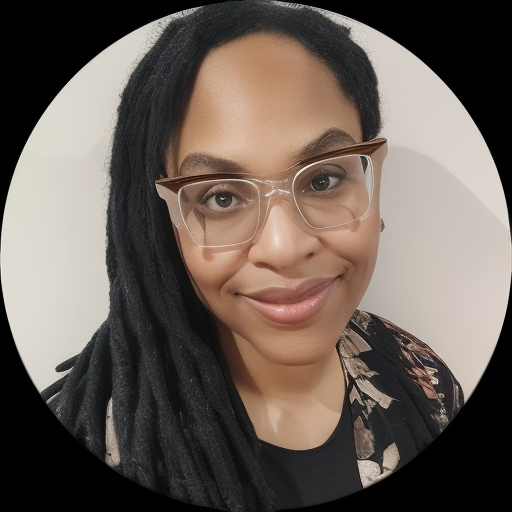
Carolyn Sultana
LCSW
New York 31 years in practice
LCSW in New York - Stress and relationships
- Stress, Anxiety
- Relationship
- Trauma and abuse
Therapists who list CBT
379 therapists licensed in New York list CBT among their approaches. Each profile shows the license and NPI as listed. Sessions are online.
Welcome to our directory for online therapists serving New York. All therapists listed here are licensed in New York - explore the listings to compare approaches, languages, credentials, and focus areas.
LCSW
New York 31 years in practice
LCSW in New York - Stress and relationships
LMHC
New York 11 years in practice
Licensed Mental Health Counselor - Anxiety and Eating Concerns
LMHC
New York 7 years in practice English, Indonesian
LMHC in New York - anxiety and relationships
New York 7 years in practice
LMHC - Addictions and Relationships
LCSW, LISW-CP
New York 12 years in practice
Licensed Clinical Social Worker - career and life changes
LCSW-R
New York 13 years in practice
Licensed Clinical Social Worker - Stress and Anxiety
New York 9 years in practice
LMHC in New York - Relationships and Addiction
LCSW
New York 14 years in practice
LCSW - stress and relationship concerns
LCSW, LICSW
New York 30 years in practice
Licensed Clinical Social Worker - grief and anxiety
LCSW, LISW
New York 11 years in practice
LCSW and LISW - trauma and mood concerns
LCSW
New York 25 years in practice English, Spanish
LCSW in New York - Stress and anxiety
LMHC
New York 15 years in practice
LMHC in New York - Stress and Anxiety
LMHC
New York 6 years in practice
LMHC in New York - Anxiety and Depression
LCSW
New York 5 years in practice
LCSW - stress and anxiety support
LCSW
New York 8 years in practice
LCSW - Stress and Anxiety
LMHC
New York 7 years in practice
LMHC - Relationships and Trauma
LMHC
New York 7 years in practice
Licensed Mental Health Counselor - Anxiety and Depression
LCSW
New York 11 years in practice
LCSW - anxiety and trauma support
LMHC
New York 10 years in practice
LMHC in New York - Anxiety and Relationship work
LMHC
New York 25 years in practice
Licensed Mental Health Counselor - stress and anxiety
New York 20 years in practice English, Hindi
LMHC - CBT and relationship work
LMHC
New York 3 years in practice
LMHC in New York - anxiety and trauma
LCSW
New York 20 years in practice
LCSW - Stress and addiction support
LMHC
New York 21 years in practice
LMHC in New York - Anxiety and Addictions
LMFT
New York 15 years in practice
LMFT - Relationships and Parenting
LCSW
New York 25 years in practice English, Spanish
LCSW - Anxiety and life transitions
LCSW-R
New York 20 years in practice
Licensed Clinical Social Worker - Relationships and Anxiety
NY Psychoanalyst
New York 30 years in practice English, Korean
NY Psychoanalyst - Stress and Relationships
LCSW
New York 23 years in practice
LCSW - Anxiety and Addictions
LCSW
New York 14 years in practice
LCSW - Stress and relationship concerns
LMHC
New York 5 years in practice English, Portuguese
LMHC - Anxiety and Mood concerns
LCPC, LMHC
New York 15 years in practice
LCPC LMHC - Anxiety and stress
LCSW-R
New York 25 years in practice English, Spanish
LCSW-R in New York - Anxiety and Relationships
LMHC
New York 23 years in practice English, Mandarin
Licensed Mental Health Counselor - Anxiety and Mood
LMHC
New York 36 years in practice
Licensed Mental Health Counselor - Anxiety and Relationships
LCSW
New York 29 years in practice
LCSW - Anxiety and Relationship support
LCSW
New York 20 years in practice
LCSW - Anxiety and relationship concerns
LMHC
New York 15 years in practice
New York LMHC - Stress and Trauma
LCSW
New York 30 years in practice
LCSW in New York - Stress and Relationships
LCSW
New York 25 years in practice English, Italian
Licensed Clinical Social Worker - Stress and Relationships
New York 30 years in practice
LMHC - Addiction and mood concerns
LMHC
New York 38 years in practice
LMHC in New York - Mood and anxiety care
LMHC
New York 5 years in practice
LMHC in New York - anxiety and relationships
LCSW
New York 7 years in practice
LCSW in New York - Addictions and Trauma
LMHC
New York 8 years in practice
Licensed Mental Health Counselor - Anxiety and Relationships
LMHC
New York 13 years in practice
LMHC in New York - Anxiety and Family concerns
LCSW
New York 29 years in practice
LCSW in New York - Stress and addiction care
LCSW
New York 10 years in practice
LCSW - Anxiety and Relationship Concerns
Some links on this page are partner links. We will earn a commission if you sign up through one, at no cost to you. It does not change what you pay or the order of the listings.
Online therapy has become a common option for people in New York who want psychological support without traveling to an office. New York permits licensed mental health professionals to offer services by video and, in many cases, by phone. Regulations and practice guidelines continue to evolve, so therapists adapt their workflows to meet state requirements and ethical standards. As you look through listings, you will see professionals who indicate a range of approaches, credentials, and languages. The directory groups therapists by the services they describe so you can identify those whose stated focus areas align with what you want to address.
Because online work removes geographic barriers within the state, you can reach professionals who are geographically distant from your neighborhood but hold a New York license. This can broaden the perspectives and types of experience you encounter. Keep in mind that approaches vary, and a therapist’s listed methods reflect how they describe their work rather than formal endorsements. The goal of this overview is to help you understand what online therapy in New York generally looks like and what to expect when you begin searching.
Choosing online therapy can offer practical advantages that fit many New Yorkers' lifestyles. You can eliminate commute time across neighborhoods and reduce the need to coordinate long transit trips. For people balancing work, family, or study commitments, virtual sessions can more easily fit into busy schedules. If mobility or physical access is an issue, remote sessions may make it simpler to maintain continuity of care without the added strain of travel.
Online therapy can also increase access to clinicians who speak languages other than English or who specialize in particular cultural perspectives. In a diverse state like New York, that means you may find a professional whose linguistic skills and cultural understanding feel more closely aligned with your background. Additionally, online formats can create a sense of consistency when you travel within the state, since you can continue sessions from different locations as long as you are within the therapist’s permitted practice area.
While convenience is a clear benefit, it is helpful to weigh it alongside other factors such as therapeutic approach, experience with your presenting concern, and the communication style that feels most comfortable to you. Use the directory to explore those attributes so you can choose a clinician whose methods and focus match your preferences.
Online therapists in New York address a broad spectrum of concerns that range from day-to-day stress to longer-term emotional patterns. Many people seek help for anxiety and mood-related symptoms, relationship challenges, life transitions such as career change or relocation, and coping with grief. Practitioners also work with stress related to work, family caregiving responsibilities, and the pressures of urban life. You will find clinicians who emphasize short-term skills work as well as those who describe longer-term exploration of relationships and identity.
There are therapists who list specific approaches among their methods, for example therapists who list CBT among their approaches for skills-based work, therapists who list psychodynamic approaches for relational or developmental themes, and therapists who list EMDR among their approaches for trauma-focused work. Some clinicians describe work with couples or families, while others indicate experience with adolescent or young adult concerns. The listing descriptions help you identify professionals whose stated focus areas align with the issues you want to address. Remember that a therapist’s approach and focus provide context for what they emphasize in treatment rather than guarantees about outcomes.
Verifying a license is an important step when you are evaluating online therapists. In New York, licensing boards maintain public registries that list active licenses and any disciplinary actions. When you find a professional in the directory, you can note their credential type and license number if provided, then consult the state licensing board’s online lookup tool to confirm that the license is current and in good standing. If a license number is not listed in a profile, you can still search by the clinician’s name and city.
When you check records, pay attention to the license type that applies to the therapist’s credential - for example, licensed clinical social worker, licensed mental health counselor, licensed psychologist, or licensed nurse practitioner with a mental health focus. The terminology and credential structure matter because scope of practice and regulatory oversight differ across license categories. Public records will usually indicate issuance and expiration dates as well as any disciplinary history. If you encounter unclear information, contacting the licensing authority directly or requesting clarification from the therapist’s office can help you interpret the record.
Professionals often list degrees and credentials in their profiles, but those listings do not substitute for state verification. Use the state lookup to cross-check names and license numbers. If a clinician uses a professional title that could be interpreted in multiple ways, the licensing record clarifies the credential that grants legal authority to practice in New York.
Starting with an online therapist begins with clarifying what you want from counseling and what logistics matter to you. Think about whether you prefer a therapist who emphasizes practical skills, one who focuses on relational patterns, or someone who brings a specific cultural or linguistic background. Use the directory filters to narrow listings by approach, language, and focus so the profiles you review are already aligned with those priorities.
Once you have a short list of profiles that seem promising, prepare a few questions to ask in an initial conversation. Typical topics include the therapist’s approach to working with your particular concern, session length and format, what a typical session looks like, accepted payment types, and how they handle records and follow-up. You are not seeking medical guarantees in these conversations; rather, you are looking to understand how the therapist frames their services and whether that framing resonates with your expectations.
Before your first session, make sure your device and internet connection support video calls and that you can arrange a quiet space where you will not be interrupted. A quiet environment and good lighting improve communication and help you feel focused. Also, have a plan for emergency contacts and local mental health resources in New York should you need them between sessions, since online sessions do not replace crisis services.
Choosing the right therapist often combines practical matching with a sense of comfort. Prioritize descriptions that highlight experience with the issues you want to address and look for profiles that indicate clear therapeutic frameworks. If a particular modality interests you, search for therapists who list that approach among their methods so their practice style aligns with your preference. Language ability and cultural competence are also important - if you prefer sessions in a language other than English or wish to work with someone who understands specific cultural contexts, use those filters in the directory.
Pay attention to the ways therapists describe their therapeutic relationship and session structure. Some clinicians focus on goal-oriented work with measurable strategies, while others emphasize reflective exploration and long-term change. Think about the pace and tone that feel most supportive to you. Once you start sessions, give yourself time to evaluate the fit over several meetings, and be open to changing course if the working relationship does not feel right.
Finally, plan for practicalities like payment methods and session length so that the agreement fits your budget and schedule. While you cannot predict every outcome, choosing a therapist whose approach, communication style, and language match your needs increases the likelihood that therapy will feel relevant and manageable. Use the tools in this directory to guide your search and to focus on the characteristics that matter most to you as you begin the process of working with an online therapist in New York.