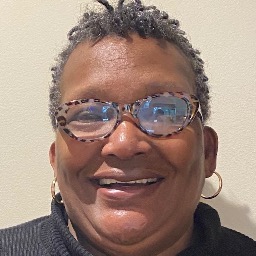
Therapist profile
Jerry Smith, LCSW, CSW
Licensed in Georgia 38 years in practice Online sessions
Licensed Clinical Social Worker - Stress and Addictions
About Jerry
Jerry Smith is a Licensed Clinical Social Worker (LCSW) in Georgia with 38 years of practice. He focuses on stress, anxiety, addictions, relationship and family concerns, depression, trauma and abuse, grief, intimacy issues, eating and sleeping problems, parenting, anger, self-esteem, career concerns, life changes, coaching and ADHD.
He uses a client-centered stance that begins by listening to what the individual wants to change. He helps people identify stuck points and set clear, practical goals.
Background and approach
He also uses Cognitive Behavioral Therapy to spot unhelpful thoughts and test different ways of responding. His background spans inpatient and outpatient mental health, alcohol and drug treatment, work in jails and penitentiaries, foster-care support, and geriatric work in assisted living. He also spent twelve years teaching as an adjunct professor of psychology.
That variety informs a straightforward approach to common problems. Sessions include work on concrete skills, thought monitoring, and homework tasks to practice between meetings. Homework completion is presented as an important part of making steady progress rather than optional reading.
He frames therapy as a collaborative effort where the client defines goals. The therapist offers reflection, practical suggestions, and steps to reduce resistance and move forward. People who prefer direct, structured sessions that include skill practice and goal tracking often find his style useful.
What Jerry works with
The areas Jerry lists on their profile, in their own terms. If what you would like to work on is not on the list, it is fine to ask about it.
- Stress, Anxiety
- Addictions
- Relationship issues
- Family conflicts
- Depression
- Trauma and abuse
- Grief
- Intimacy-related issues
- Eating disorders
- Sleeping disorders
- Parenting issues
- Anger management
- Self esteem
- Career difficulties
- Coping with life changes
- Coaching
- ADHD
- Aging and geriatric issues
- Blended family issues
- Body image
- Coping with natural or human-caused disaster
- Divorce and separation
- Domestic violence
- Drug and alcohol addiction
- Eating and food-related issues
- Family problems
- Fatherhood issues
- Forgiveness
- Guilt and shame
- Infidelity
- Isolation / loneliness
- Jealousy
- Men's issues
- Midlife crisis
- Veteran and Armed Forces Issues
- Multicultural concerns
- Panic disorder and panic attacks
- Phobias
- Post-traumatic stress
- Prejudice and discrimination
- Seasonal Affective Disorder (SAD)
- Self-love
- Smoking / vaping cessation
- Social anxiety and phobia
- Workplace issues
Methods Jerry lists
- Cognitive Behavioral Therapy (CBT)
- Client-Centered Therapy
Listing an approach is not evidence of training in it. This directory shows what each therapist names and does not check training records.
How CBT and Client-Centered Work Online
Client-Centered Therapy focuses on listening and reflecting back what the client says so they can clarify goals and choose priorities. It supports people who want a respectful, non-directive space to decide what matters and what steps to try next.Cognitive Behavioral Therapy (CBT) teaches people to notice specific thoughts and behaviors that keep problems going and then to test simple alternatives. CBT is commonly used for anxiety, depression, stress, sleep issues, and some eating or substance use concerns because it emphasizes clear strategies and measurable practice.
Finding the best approach is part of the process. The therapist will work with the client to decide whether more reflective client-centered work, practical CBT exercises, or a mix makes sense given goals and preferences. That decision is made together and can change over time as needs shift.
The biography does not list which session formats are used, so confirm the current online options before scheduling. Online sessions can make it easier to fit therapy into a busy day, allow shorter check-in meetings when needed, and remove travel time. They also let people use video or phone in ways that match their bandwidth, comfort with being on camera, or need for a quicker session during a work break.
We will earn a commission if you sign up through our link, at no cost to you. It does not change what you pay or the order of the listings.
Questions people ask about Jerry
What concerns does he commonly address?
He works with stress, anxiety, addictions, relationship and family issues, depression, trauma and abuse, grief, intimacy concerns, eating and sleeping problems, parenting, anger, self-esteem, career changes, ADHD and related topics.
How does he use Cognitive Behavioral Therapy?
He uses CBT to help people identify unhelpful thoughts and test alternative responses. Sessions include practical tools and exercises to try between meetings.
What is his professional background?
He has 38 years of experience across inpatient and outpatient mental health, alcohol and drug treatment, work in correctional settings, foster-care support, and geriatric care, plus twelve years as an adjunct psychology professor.
What are his credentials and location?
He holds LCSW and CSW credentials and practices in Georgia.
Which languages are offered and are international clients accepted?
Sessions are offered in English, and international clients are not currently accepted.
What session formats are available?
Session formats were not specified in the biography; confirm the current online and in-person options before booking.
How are fees handled?
Cost varies with location; sessions use a subscription that can be canceled at any time.
How do I begin working with him?
Select the See online therapy options button, complete a short matching questionnaire, and schedule a first session.