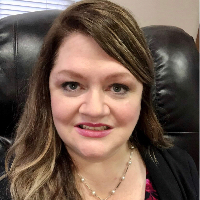
Georgia 12 years in practice
LPC in Georgia - stress and relationship concerns
- Stress, Anxiety
- Relationship
- Family
Therapists who list CBT
300 therapists licensed in Georgia list CBT among their approaches. Each profile shows the license and NPI as listed. Sessions are online.
Welcome to our directory of online therapists serving Georgia. All therapists listed on this site are licensed in Georgia - explore profiles to compare approaches, credentials, languages and focus areas to find a good fit.
Georgia 12 years in practice
LPC in Georgia - stress and relationship concerns
LPC
Georgia 8 years in practice
Licensed Professional Counselor - Relationships and Trauma
LCSW, CSW
Georgia 20 years in practice
Licensed Clinical Social Worker - Anxiety and Relationships
LMFT
Georgia 20 years in practice
LMFT - Anxiety and Relationships
LCSW, CSW
Georgia 35 years in practice
Licensed Clinical Social Worker - Stress and Relationships
LPC
Georgia 27 years in practice
Licensed Professional Counselor - Anxiety and Mood
Georgia 8 years in practice
Licensed Professional Counselor - anxiety and trauma
LPC
Georgia 18 years in practice
Licensed Professional Counselor - Stress and Anxiety
LPC
Georgia 14 years in practice
Licensed Professional Counselor - Anxiety and Mood
Georgia 10 years in practice
Licensed Professional Counselor - Stress and Trauma
LCSW, CSW
Georgia 10 years in practice
LCSW in Georgia - anxiety and mood work
LPC
Georgia 20 years in practice
Licensed Professional Counselor - Stress and Anxiety
LPC
Georgia 18 years in practice
LPC in Georgia - Anxiety and Relationship work
LPC
Georgia 11 years in practice
LPC in Georgia - Anxiety and Addictions
LPC
Georgia 25 years in practice
Licensed counselor - anxiety and relationships
Georgia 9 years in practice
Licensed Professional Counselor - Mood and trauma support
LPC
Georgia 4 years in practice
Licensed Professional Counselor - Anxiety and relationships
Georgia 8 years in practice
LPC in Georgia - Anxiety and Relationship concerns
LICSW, LCSW, CSW
Georgia 7 years in practice
Dr. Kerene Brown - LICSW LCSW, stress and anxiety
LICSW, LCSW, CSW
Georgia 17 years in practice
Licensed social worker - mood and trauma care
Georgia 18 years in practice
Licensed Professional Counselor - Trauma and Addiction
LPC
Georgia 13 years in practice
LPC in Georgia - stress and relationship help
LMFT
Georgia 7 years in practice
LMFT in Georgia - Relationships and Mood
LPC
Georgia 30 years in practice English, Haitian Creole
Licensed Professional Counselor - anxiety and relationships
LPC
Georgia 11 years in practice
Licensed Professional Counselor - Depression and Addictions
LPC
Georgia 12 years in practice
Licensed Professional Counselor - anxiety and relationships
Georgia 3 years in practice
LPC in Georgia - anxiety and depression
LPC
Georgia 18 years in practice
Licensed Professional Counselor - Trauma and Relationships
Georgia 9 years in practice
Dr. Lynda Cokuslu, LPC - Stress and Mood Concerns
LCSW, CSW
Georgia 30 years in practice
LCSW in Georgia - Addictions and Relationships
LPC
Georgia 20 years in practice
Licensed Professional Counselor - Anxiety and Addiction
LPC
Georgia 18 years in practice
Licensed Professional Counselor - Stress and Relationships
LISW, LCSW, CSW
Georgia 25 years in practice
LISW LCSW - Anxiety and Relationship Concerns
LCSW, CSW
Georgia 30 years in practice
LCSW in Georgia - relationships and mood
LPC
Georgia 14 years in practice
Licensed Professional Counselor - Stress and Anxiety
LCSW, CSW
Georgia 35 years in practice
LCSW working with anxiety and relationships
LPC
Georgia 3 years in practice
LPC in Georgia - Anxiety and Parenting support
LPC
Georgia 14 years in practice
LPC counselor - family and mood concerns
Georgia 27 years in practice
Licensed Professional Counselor - Stress and Anxiety
LPC
Georgia 10 years in practice
Licensed Professional Counselor - Anxiety and Addictions
LPC
Georgia 26 years in practice
LPC in Georgia - Stress and Anxiety
LCSW, CSW
Georgia 12 years in practice
LCSW - Anxiety and stress work
LPC, LPCC
Georgia 10 years in practice
Licensed Professional Clinical Counselor - Anxiety and Depression
LPC, LCMHC
Georgia 11 years in practice
Licensed counselor - mood and anxiety
LPC, LMHC
Georgia 12 years in practice
Licensed counselor - Anxiety and depression
LCSW, CSW
Georgia 26 years in practice
LCSW in Georgia - anxiety and trauma
Georgia 9 years in practice
LPC in Georgia - Anxiety and Depression
LPC
Georgia 8 years in practice
Licensed LPC - Anxiety and Addiction
Some links on this page are partner links. We will earn a commission if you sign up through one, at no cost to you. It does not change what you pay or the order of the listings.
Online therapy has become a widely used option for people throughout Georgia who want counseling without traveling to an office. Many therapists now offer sessions through video, phone or messaging platforms so you can meet from your home, office, or another comfortable environment. In Georgia, clinicians who provide therapy to residents need to hold an appropriate Georgia license for the type of care they deliver. That requirement means the professionals you find here are licensed to practice in the state and are listed with the appropriate licensing boards.
While the way services are delivered has shifted, the basic elements of a therapeutic relationship remain familiar - a focus on your goals, a working agreement about session length and fees, and an approach that fits your needs. Online formats can change logistics and the rhythm of sessions, but they do not change the importance of finding a clinician whose approaches, language skills and experience align with what you are seeking. Browsing profiles allows you to see what each therapist emphasizes and how they describe their practice.
Online therapy can offer practical advantages if you live in a rural community, face transportation challenges, or have a work schedule that makes in-person visits difficult. When you choose online sessions, you can reduce commute time and eliminate the need to coordinate childcare or time off work. For many people, meeting from a familiar setting helps lower anxiety about starting therapy because you are in a place you control. That sense of convenience often makes it easier to keep a regular schedule, which is important for progress.
Beyond logistics, online therapy expands access to therapists who work with particular populations or focus on specific issues. You can connect with clinicians who list specialized approaches, such as therapists who list CBT among their approaches, or therapists who list EMDR among their approaches, without being limited to those practicing in your immediate geographic area. If language or cultural fit matters to you, searching online profiles makes it easier to find someone who lists the languages they speak or the communities they work with. Ultimately, the benefits you experience will depend on how well the format and the practitioner fit your preferences and goals.
Online therapists in Georgia address a wide range of concerns across the lifespan. Many people seek help for mood-related problems like anxiety and depression, while others come for support with relationship challenges, parenting, grief or stress related to work and life transitions. Therapists also commonly work with trauma-related concerns, substance use issues, and chronic health-related stress, offering strategies and coping skills that you can practice between sessions.
Because clinicians list different theoretical approaches on their profiles, you can look for therapists who describe methods that match your preferences. Some therapists focus on skills-based work, offering approaches that emphasize coping techniques and behavior change. Others emphasize exploring patterns, interpersonal dynamics and emotional processing. You may also find therapists who list mindfulness-based approaches or strengths-oriented work. The key is to identify descriptions that resonate with how you prefer to engage in therapy and the outcomes you hope to achieve.
Verifying that a therapist holds an active Georgia license is an important step when you are choosing online care. Licensing boards maintain public online registers where you can look up a clinician by name to confirm their license type, current status and whether there are any disciplinary records. For certain types of clinical practice there may be separate boards to check, so take note of the professional credential listed on a therapist's profile before searching.
When you review a license record, look for details such as the license type, the status indicating it is active, the expiration date and any sanctions or restrictions that may appear. A license number is often listed and can be useful if you need to contact the board for clarification. If you are unsure which board to consult, a directory listing will usually indicate the clinician's credential so you can use that information as a starting point. Confirming licensure helps ensure the person you are considering is authorized to offer mental health services to Georgia residents.
Getting started is usually a matter of narrowing your search and then reaching out to the therapists whose profiles feel like a match. When you review profiles, notice the description of the therapist's focus areas, the approaches they list, the languages they speak and any mention of populations or life stages they work with. These elements often give you a good sense of whether a clinician could meet your needs. Prepare a brief summary of what brought you to therapy and your goals so you can communicate that clearly when you make initial contact.
Choosing a therapist is a personal decision and you can use several practical criteria to guide your choice. Think about the kinds of issues you want help with and look for clinicians who describe experience or interest in those areas. Pay attention to the approaches they list, such as therapists who list DBT among their approaches or therapists who list trauma-focused work among their approaches, and consider whether those methods appeal to you. Language and cultural background can matter, so take note if a therapist lists additional languages or mentions experience with communities that are important to you.
During initial conversations you may want to ask about how they structure sessions, how they measure progress and what a typical session looks like in an online format. You can also ask practical questions about fees, payment methods and whether they work with insurance if that is relevant for you. It often takes a few sessions to get a clear sense of fit, and it is okay to change course if a therapist's style does not meet your needs. Your comfort and confidence in the therapeutic relationship are central to making progress, so prioritize finding a clinician who listens and responds in a way that feels helpful to you.
When you prepare for online sessions, check your technology, choose a quiet place where you will not be interrupted and consider how you will manage any follow-up work between sessions. Clarify how you will communicate between appointments and what to do in an emergency. Many therapists describe their policies and procedures on their profiles so you can review them before the first meeting. Taking time to prepare helps you get more from the sessions and supports steady progress toward your goals.
Searching for online therapy in Georgia is a process of aligning practical needs with personal fit. You may value certain credentials or professional backgrounds, but it is equally important to find a clinician whose approach and interpersonal style resonate with you. As you browse profiles, focus on the elements that matter most for your situation - the issues you want to address, the methods you prefer, language needs and the populations the therapist mentions. Use license verification tools to confirm a clinician is authorized to practice in Georgia and prepare questions that will help you evaluate fit during initial conversations.
Finding the right online therapist can open a path to meaningful change, and taking a thoughtful, informed approach to the search will help you connect with someone who can support your goals. Use the profiles on this site to explore different approaches and compare the features that matter to you, and reach out to begin a conversation when you are ready.