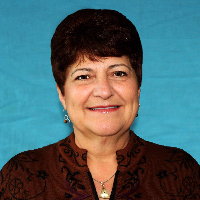
Cora Benedict
LMFT
Alaska 15 years in practice
LMFT - Anxiety and Stress focused
- Stress, Anxiety
- Trauma and abuse
- Grief
Therapists who list CBT
13 therapists licensed in Alaska list CBT among their approaches. Each profile shows the license and NPI as listed. Sessions are online.
Welcome to the Alaska directory for online therapy. All therapists listed on this page hold a license to practice in Alaska. Browse individual profiles to compare approaches, credentials, languages, and areas of focus.
LMFT
Alaska 15 years in practice
LMFT - Anxiety and Stress focused
Alaska 30 years in practice
Licensed Professional Counselor - Anxiety and Addiction
LCSW
Alaska 20 years in practice
LCSW - Stress and relationship concerns
LPC
Alaska 20 years in practice
LPC in Alaska - Anxiety and Trauma
LCSW
Alaska 10 years in practice
LCSW - stress and trauma support
LPC
Alaska 9 years in practice
LPC in Alaska - mood and relationship work
LICSW, LCSW
Alaska 35 years in practice
LICSW in Alaska - Anxiety and Trauma
LCSW
Alaska 15 years in practice
LCSW focused on relationships and trauma
Alaska 4 years in practice
Licensed Professional Counselor - Stress and Anxiety
Alaska 11 years in practice
Licensed Professional Counselor - Stress and Addiction
LCSW
Alaska 11 years in practice
Licensed Clinical Social Worker - anxiety and trauma
LCSW
Alaska 9 years in practice
LCSW - Anxiety and life changes
LPC, LCMHC
Alaska 25 years in practice
Licensed counselor - relationships and addiction
Some links on this page are partner links. We will earn a commission if you sign up through one, at no cost to you. It does not change what you pay or the order of the listings.
Online therapy in Alaska has grown into a practical option for people across the state, from urban centers to remote communities. Because Alaska covers vast distances and a wide range of living situations, many people choose online sessions to reduce travel time and connect with clinicians who may not be located nearby. The directory you are viewing gathers licensed clinicians who offer services remotely to residents of Alaska, making it easier to review options in one place. When you look through profiles, you will see information about professional credentials, the therapeutic approaches a clinician lists, and languages spoken. This overview can help you identify practitioners whose background and areas of focus align with what you are seeking.
Regulatory requirements shape how online therapy is offered in Alaska. Therapists who provide services to people physically located in Alaska must hold a license that allows practice in the state. The models and technology used for remote sessions vary, and providers may describe whether they conduct sessions by video, phone, or other methods. Because clinician practice and state rules can change, it is helpful to review licensure details and practice descriptions on each profile so you understand how a clinician frames their remote services.
Online therapy can offer practical benefits that match the geography and lifestyle of Alaska. For people who live far from clinics or who have limited local options for certain specialties, remote sessions reduce the need for travel and can fit more easily into your daily routine. If your home is in a rural area, online sessions can connect you with clinicians who list experience or focus areas that are not available locally. You may also find clinicians who speak your preferred language or who have experience with particular cultural contexts relevant to life in Alaska.
The convenience of meeting from a familiar setting can make it simpler to attend sessions consistently. Technology can support continuity when life circumstances require flexibility, and many clinicians describe using practical tools to help structure ongoing work. You should consider how a clinician describes their session format, communication options, and any materials they use, because those details shape how you will work together. While online therapy is not the right fit for every situation, many people in Alaska find that remote work expands their choices and helps them access specific approaches or areas of experience they value.
If you are thinking about what to seek help for, online therapists in Alaska often work with a wide range of concerns that affect daily life and relationships. Many profiles highlight assistance with mood-related struggles such as depression and anxiety, stress management tied to work or life transitions, grief and loss, and relationship concerns. Clinicians also commonly list support for issues like trauma, parenting challenges, and concerns related to identity and sexuality. Because clinicians report the frameworks and modalities they use, you will frequently see mentions of evidence-informed approaches among the methods they list.
People sometimes seek online therapy for practical problems that require skill-based support, such as building coping strategies, improving communication, or developing routines to manage symptoms. Other times, the focus is on processing life events or exploring long-standing patterns in relationships and self-understanding. When you review profiles, pay attention to the stated focus areas and the types of client experiences a clinician describes. This will help you find a clinician whose stated interests align with the concerns you want to address.
Confirming a therapist's license is an important step when you are evaluating options. You can verify licensure through the state agency that oversees mental health professionals in Alaska. When you look up a license, key details to note include the license type, the legal name under which the clinician is licensed, the license number, and the current status of the license. It is also useful to check whether there have been any public disciplinary actions recorded. This information gives you a clearer picture of the clinician's standing with the licensing authority.
Begin by gathering identifying information from the clinician's profile, such as their full professional name and credential abbreviations. Use that information to search the state licensing database. Many licensing pages allow you to enter a name or license number to see status details and expiration dates. If you are unsure how to interpret what you find, you can contact the licensing office directly to ask for clarification about public records. Keeping a screenshot or note of the license details you checked provides a reference as you compare profiles in the directory.
Starting with an online therapist begins with clarifying what you want from the work. Take a moment to identify the issues that matter most to you, whether short-term problem solving or longer-term personal growth. Consider practical preferences such as preferred session length, communication style, and whether you want a clinician who lists certain approaches among their methods. Note any logistical needs, such as language preferences or considerations related to cultural background that feel important for a good fit. Once you have a clearer sense of priorities, it becomes easier to review profiles and identify clinicians who align with them.
When you examine profiles, look at experience descriptions, focus areas, and the therapeutic approaches clinicians list. Because the directory records what clinicians report about their work, phrasing such as "lists cognitive-behavioral approaches" or "lists EMDR among their approaches" helps set expectations without implying formal certifications. Consider whether a clinician's stated focus resonates with the problems you want to address. Pay attention to languages spoken and any note about cultural competence so you can identify clinicians who are likely to understand aspects of your background.
Think about the environment where you will attend sessions and how to set up a space that supports the work. Choose a location where you can speak without being overheard and where you feel comfortable. Test your technology in advance - check your internet connection and any apps or platforms the clinician indicates they use. Familiarize yourself with payment methods, session policies, and whether the clinician provides receipts you can use for reimbursement or insurance purposes. If insurance is part of your plan, confirm how the clinician describes payment options on their profile and what documentation you might need for claims.
Finding the right therapist often involves reflecting after a few sessions on how the working relationship feels. Pay attention to whether the clinician listens to your concerns, offers explanations about their approach that make sense to you, and helps you set clear goals for the work. You should also notice whether their communication style matches your preferences - some clinicians are more directive, others more exploratory. Matching these styles to what you find helpful can make sessions more effective. If something does not feel right, it is reasonable to look at other profiles and consider other clinicians whose stated focus and approach better align with your needs.
Choosing an online therapist in Alaska is a process of combining practical considerations with personal fit. By reviewing licensure, examining the approaches clinicians list, and thinking through the issues you want to address, you can narrow your options and reach out to clinicians whose profiles resonate with you. Use the information provided to create a shortlist of clinicians to contact and prepare a brief set of questions to guide your initial conversation. This will help you move from search to meaningful therapeutic work in a way that suits your circumstances in Alaska.