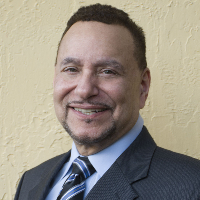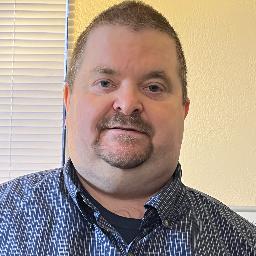
Suzanne Stokes
LMHC
Florida 38 years in practice
Florida LMHC - Anxiety and life changes
- Stress, Anxiety
- Relationship
- Self esteem
Therapists who list CBT
1,026 therapists licensed in Florida list CBT among their approaches. Each profile shows the license and NPI as listed. Sessions are online.
Welcome to our directory for online therapists serving Florida. All therapists listed are licensed in Florida - explore profiles to compare approaches, credentials, languages, and experience as you look for a good fit.
LMHC
Florida 38 years in practice
Florida LMHC - Anxiety and life changes
LCSW
Florida 31 years in practice
LCSW - relationships and trauma
LMHC, LMFT
Florida 30 years in practice English, Spanish
LMHC and LMFT - Anxiety and Trauma
LCSW
Florida 12 years in practice
LCSW - Parenting and Anxiety
LCSW
Florida 18 years in practice
LCSW - anxiety and addiction support
LCSW
Florida 27 years in practice
LCSW - Stress and relationship concerns
LMHC
Florida 4 years in practice
LMHC in Florida - Anxiety and Mood Concerns
LMHC
Florida 20 years in practice
LMHC - Stress and Anxiety focus
LCSW
Florida 7 years in practice
Licensed Clinical Social Worker - Addiction and mood issues
LMHC
Florida 16 years in practice
LMHC in Florida - Anxiety and Addictions
LMFT
Florida 26 years in practice
LMFT - Stress and Relationship Concerns
LMHC
Florida 20 years in practice English, Portuguese
LMHC - Addiction and anxiety care
LPC, LMHC
Florida 10 years in practice
Licensed counselor - anxiety and relationships
LMHC
Florida 25 years in practice
Florida LMHC - Anxiety and Relationships
LMHC
Florida 8 years in practice
LMHC - Family and trauma focused
LMHC
Florida 4 years in practice
LMHC in Florida - Anxiety and Trauma
LCSW
Florida 5 years in practice
Licensed Clinical Social Worker - Stress and Addiction
LCSW
Florida 10 years in practice
Licensed Clinical Social Worker - Stress and Anxiety
LCSW
Florida 4 years in practice
LCSW - CBT focused on relationships and coping
LCSW
Florida 6 years in practice
LCSW - Stress and Trauma
LMHC
Florida 12 years in practice
LMHC in Florida - Anxiety and Stress focus
Florida 30 years in practice
Licensed Clinical Social Worker - Anxiety and Depression
LCSW
Florida 20 years in practice
LCSW in Florida - Anxiety and Trauma
LCSW
Florida 15 years in practice
LCSW - Anxiety and Relationship Concerns
LMHC
Florida 19 years in practice
LMHC in Florida - Stress and Anxiety
LCSW
Florida 28 years in practice English, Hindi
LCSW - Stress and mood concerns
LCSW
Florida 42 years in practice
Licensed Clinical Social Worker - Stress and Anxiety
LCSW
Florida 21 years in practice
LCSW - relationships and life changes
LMHC, LPC
Florida 12 years in practice
LMHC LPC - Relationships and Mood
LMHC
Florida 20 years in practice
LMHC in Florida - Stress and Relationship concerns
LCSW
Florida 16 years in practice
Dr. Amary Alcide, LCSW - Relationships and Women's Health
Florida 20 years in practice
LCSW - Stress and mood concerns
LCSW
Florida 35 years in practice
LCSW - relationships and grief
LMHC
Florida 9 years in practice
Licensed LMHC - Anxiety and Stress
LMHC
Florida 13 years in practice English, Spanish
LMHC in Florida - anxiety and trauma
LMHC
Florida 11 years in practice
LMHC - Anxiety and Addictions
LMHC
Florida 20 years in practice
Licensed Mental Health Counselor - Stress and Anxiety
LCSW
Florida 22 years in practice
LCSW - Stress and anxiety support
Florida 30 years in practice English, Spanish
LCSW - stress and relationships
LMHC
Florida 6 years in practice
Florida LMHC - Anxiety and Family Concerns
LMFT
Florida 20 years in practice
LMFT - Stress and Anxiety focus
LMHC
Florida 11 years in practice
Dr. Mary Torok - LMHC, stress and anxiety
LMHC
Florida 15 years in practice
Florida LMHC - Anxiety and Mood Concerns
Florida 17 years in practice
LCSW - Stress and anxiety focus
LMHC
Florida 10 years in practice
Licensed Mental Health Counselor - Anxiety and Parenting
LCSW
Florida 4 years in practice English, Spanish
Licensed Clinical Social Worker - Anxiety and Parenting
LCSW
Florida 40 years in practice
LCSW - Anxiety and Trauma
LCSW
Florida 40 years in practice
Licensed Clinical Social Worker - Stress and Relationship Concerns
Some links on this page are partner links. We will earn a commission if you sign up through one, at no cost to you. It does not change what you pay or the order of the listings.
Online therapy in Florida is a way to access professional mental health support through video, phone, or messaging rather than meeting in person. Many licensed therapists in the state list telehealth or online counseling among their service options, which lets you connect with a mental health professional from your home, office, or another comfortable environment. Because licensing is state-based, therapists who work with Florida residents typically hold a Florida license. That licensing requirement means the therapist has met the state board's criteria for education, supervised experience, and examination relevant to their credential.
Regulation for mental health professionals in Florida is managed through state boards that oversee different license types. If you are looking for therapy across county lines or while traveling within the state, online sessions may reduce the need to commute and can broaden the range of clinicians you can consider. Keep in mind that practice rules and the technologies used for remote sessions are subject to both state regulations and professional standards, so therapists will typically note their license type and the scope of the work they provide in their profiles.
You can save travel time and fit sessions into your day more easily when you do therapy online. Florida is geographically diverse, and online therapy helps bridge distances if you live in a rural area, move seasonally, or have transportation challenges. That convenience often makes it easier to maintain consistent sessions and to integrate therapeutic work into a busy schedule. For many people, the ability to meet without leaving home is the single most important practical advantage.
Online sessions can feel less formal than in-office visits, which may help you open up sooner and sustain momentum over time. If you relocate within Florida or need to spend time in different parts of the state, virtual care can support continuity with the same therapist when permitted by licensing rules. You can also choose clinicians who list approaches, population focus, or languages that match your needs without being limited by geography.
Therapists online often work with people experiencing anxiety, depression, stress, grief, and other mood-related concerns. You can find clinicians who describe experience supporting people through short-term challenges as well as those who focus on longer-term emotional patterns. Many therapists list cognitive-behavioral approaches, supportive psychotherapy, mindfulness-informed work, and other methods among their approaches, but listings vary and are best assessed by reading each profile.
Online therapy is commonly used for relationship issues, communication challenges, parenting stress, and life transitions such as career changes, relocation, or becoming a parent. Practitioners who note experience with relationship work or family systems often describe the kinds of concerns they help address, so you can look for therapists whose focus areas align with your situation. Some clinicians list trauma-informed care or therapies that are often used in trauma work, while others emphasize work with teens, older adults, or specific identity-related concerns.
To verify a therapist's license in Florida, start with the state license lookup maintained by Florida's Department of Health. That portal allows you to search by name or license number and view license status, expiration dates, and disciplinary actions if any exist. Profiles on this site include license information, but the state lookup is the authoritative source for current licensure details. Checking the official record helps you confirm that a therapist is authorized to practice under the scope of their Florida license.
Different mental health professions in Florida include licensed clinical social workers, marriage and family therapists, mental health counselors, and psychologists, among others. Each license type has its own scope of practice and supervising board. When you review a license record, look for the license title, status, issue and renewal dates, and any public board actions. If you have questions about what a particular license allows a clinician to do, the relevant state board can provide clarification. You can also contact your insurance provider for guidance on in-network license types if coverage is a consideration.
Getting started typically begins with narrowing your search by the qualities that matter most to you - such as therapeutic approach, languages spoken, years of experience, or focus on particular issues like trauma, relationships, or mood concerns. Read profiles to learn how therapists describe their work and the populations they serve. When you reach out to a clinician, you can ask about the modalities they list, what a typical session looks like, the length of sessions, and how they structure treatment goals. Be prepared to discuss logistics like fees, cancellation policies, and how sessions are scheduled so you know what to expect for the first meeting.
Think about the qualities that help you feel understood and supported. Do you prefer a therapist who emphasizes practical skills and homework between sessions, or someone who focuses on exploring emotions and personal history? Are you looking for someone who works with specific communities or life stages? Pay attention to language ability if speaking in your native language matters to you. You may also want to review a therapist's stated approaches and note if they list any techniques or frameworks that you value. It is reasonable to reach out to more than one clinician to find a style and communication approach that fits your needs.
Before your first appointment, consider a few questions about what you want to address and what a successful outcome would look like. Think about recent stressors, patterns you want to change, and any immediate goals. Have a single, quiet place where you can participate in sessions with minimal interruptions and ensure your device and internet connection are working. Clarifying your priorities ahead of time will help you and the therapist use initial meetings effectively to set goals and determine the next steps in your care.
As you work with a therapist, keep in mind that the therapeutic relationship is an evolving collaboration. You should feel comfortable raising questions about approach, pace, and focus, and it is acceptable to change therapists if your needs are not being met. Many people find it useful to periodically revisit goals and to communicate openly about what helps or hinders progress. Profiles and initial conversations give you a starting point, and ongoing communication helps shape a productive path forward.
This directory is designed to help you explore licensed therapists who provide online services in Florida. Use the profile details to compare approaches, languages, credentials, and areas of experience. When you are ready, reach out to clinicians whose profiles resonate with you and ask the practical questions that matter for your circumstances. With clear goals and thoughtful questions, you can find a match that supports your next steps in personal growth and wellbeing.