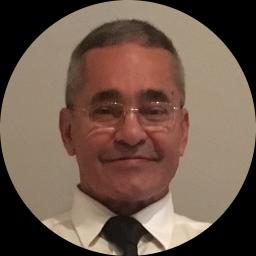
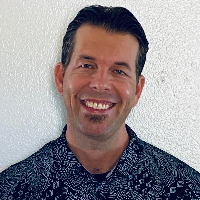
Raymond Butts
LPC
Arizona 30 years in practice
Licensed Professional Counselor - Stress and Trauma
- Stress, Anxiety
- Trauma and abuse
- Self esteem
Therapists who list CBT
131 therapists licensed in Arizona list CBT among their approaches. Each profile shows the license and NPI as listed. Sessions are online.
Welcome to our directory for online therapists serving Arizona. All therapists listed here are licensed. Explore the profiles below to review approaches, focus areas, credentials, languages and experience to find a good fit.
LPC
Arizona 30 years in practice
Licensed Professional Counselor - Stress and Trauma
LPC
Arizona 10 years in practice
LPC in Arizona - stress and anxiety focus
LPC
Arizona 17 years in practice English, Spanish
LPC in Arizona - Stress and relationships
AZ Psychologist
Arizona 10 years in practice
AZ Psychologist - Stress and Career
LMFT
Arizona 6 years in practice
LMFT - Stress and Relationship work
LPC
Arizona 8 years in practice
Licensed Professional Counselor - Anxiety and Mood
LPC
Arizona 9 years in practice
LPC counselor - anxiety and relationships
LPC
Arizona 40 years in practice
LPC in Arizona - Addictions and Anxiety
LPC
Arizona 25 years in practice
Licensed Professional Counselor - Anxiety and Addictions
LCSW
Arizona 20 years in practice
LCSW in Arizona - Stress and Anxiety
LCSW
Arizona 8 years in practice
LCSW - Anxiety and addiction care
LMHC, LPC
Arizona 10 years in practice
LMHC and LPC - Stress and addiction work
LPC
Arizona 19 years in practice English, Spanish
LPC in Arizona - Stress and Relationship Concerns
LCSW
Arizona 32 years in practice
LCSW in Arizona - stress and relationships
Arizona 21 years in practice English, Spanish
LPC counselor - anxiety and addiction support
LPC
Arizona 8 years in practice
Licensed counselor - anxiety and trauma
AZ Psychologist
Arizona 36 years in practice
Arizona psychologist - anxiety and depression
LCSW
Arizona 10 years in practice
LCSW in Arizona - Anxiety and relationship issues
AZ Psychologist
Arizona 20 years in practice
Dr. Kimberly Carroll - Psychologist, Anxiety and Mood
LCSW
Arizona 40 years in practice
LCSW in Arizona - Anxiety and Mood Concerns
LPC
Arizona 10 years in practice English, Spanish
LPC in Arizona - Stress and Addictions
LPC
Arizona 20 years in practice
Licensed Professional Counselor - Stress and Relationships
LCSW
Arizona 11 years in practice English, Spanish
LCSW - Anxiety and life transitions
LPC
Arizona 10 years in practice
Licensed Professional Counselor - Anxiety and Trauma
LPC
Arizona 20 years in practice
LPC - Anxiety and Trauma focus
LMFT
Arizona 13 years in practice
Arizona LMFT - Anxiety and Grief
LCSW
Arizona 26 years in practice
LCSW - Relationships and life transitions
Arizona 25 years in practice
LCSW - Stress and Anxiety
LPC
Arizona 25 years in practice
LPC in Arizona - Anxiety and Addictions
LPC, LMHC
Arizona 10 years in practice
Licensed counselor - stress and relationships
LMHC, LPC
Arizona 25 years in practice
Licensed counselor - mood and relationships
LPC
Arizona 20 years in practice
LPC in Arizona - Anxiety and Addictions
LPC
Arizona 13 years in practice
Arizona LPC - Anxiety and Stress
LPC
Arizona 13 years in practice
LPC in Arizona - relationships and trauma
LCSW
Arizona 8 years in practice
LCSW - Anxiety and Trauma
LICSW, LCSW
Arizona 40 years in practice
Licensed clinical social worker - relationships and mood
LPC
Arizona 24 years in practice
Licensed Professional Counselor - Stress and Anxiety
Arizona 7 years in practice English, Tagalog
LPC counselor - anxiety and mood concerns
AZ Psychologist
Arizona 18 years in practice
Arizona psychologist - grief and goal work
LPC, LMFT
Arizona 30 years in practice
Licensed counselor and therapist - addictions and relationships
LPC
Arizona 5 years in practice
LPC in Arizona - Stress and Trauma focus
LMFT
Arizona 8 years in practice
LMFT - Relationships and Anxiety
LPCC, LPC
Arizona 26 years in practice
LPCC, LPC - Anxiety and Relationships
LPC
Arizona 7 years in practice
LPC counselor - Anxiety and life changes
LCSW
Arizona 5 years in practice
LCSW - Anxiety and Addiction support
Arizona 27 years in practice English, Spanish
LCSW - Stress and relationship concerns
Arizona 7 years in practice
LCSW - Stress and anxiety focus
Arizona 10 years in practice
Licensed LPC - Anxiety and Addictions
Some links on this page are partner links. We will earn a commission if you sign up through one, at no cost to you. It does not change what you pay or the order of the listings.
Online therapy has become an established way to access mental health support across Arizona, connecting you to clinicians who provide sessions remotely by video or phone. State rules and professional licensing requirements shape who may offer services to people in Arizona, so therapists in this directory are shown because they meet applicable licensing standards. Whether you live in a dense urban center like Phoenix or a rural community in northern Arizona, remote services can bridge geographic distance and reduce travel time. You should be aware that laws and practice guidelines can change over time, so confirming licensure and the therapist's stated service area is a recommended step before beginning a working relationship. Many clinicians list a range of approaches they use in their work - for example, some therapists list CBT among their approaches, while others list psychodynamic therapy, acceptance and commitment approaches, or trauma-informed methods. These listings reflect what a clinician reports about their practice and can help you identify profiles to read more closely.
Most remote sessions follow a familiar pattern of scheduling a consultation, completing any intake forms the therapist requires, and meeting for regular sessions by video or phone. Technology requirements are usually modest - a smartphone, tablet or computer with a camera and a stable internet connection are often sufficient. If you have accessibility needs or prefer a particular mode of communication, look for therapists who mention those options in their profiles. Because this directory focuses on clinicians who provide remote services to people in Arizona, you can narrow your search by language, specialty and therapeutic approaches to find profiles that feel comfortable for you.
You may choose online therapy for many practical reasons that improve access and convenience. Remote sessions can save you commuting time, reduce costs associated with travel, and allow you to meet with a therapist from a familiar setting in your home or another comfortable environment. For people who live in areas with fewer in-person options, remote therapy expands the pool of clinicians you can reach. If you have mobility limitations or caregiving responsibilities, remote sessions can be scheduled around your life more easily than travel-dependent appointments. Online formats can also provide flexibility in scheduling evenings or midday sessions, which can make it easier for you to integrate therapy into a busy routine.
Beyond convenience, remote therapy can support continuity of care if you move within Arizona or travel across regions of the state. You can look for clinicians who list experience working with particular concerns that matter to you, or who offer services in a language you prefer. Some people find that speaking with a therapist by video feels less intimidating than an in-person first visit, while others prefer phone sessions for greater anonymity. As you evaluate options, consider which setting and communication style helps you feel most comfortable and able to engage in the work.
Online therapists in Arizona commonly support people with a wide range of concerns including anxiety, depression, relationship challenges, stress related to work or school, life transitions, grief, parenting questions, and responses to trauma. Many clinicians also work with substance use concerns, chronic illness adjustment, and issues tied to identity and minority stress. When reviewing profiles, you will see therapists who list cognitive behavioral approaches among their methods, and others who list trauma-focused or experiential approaches. These descriptions indicate areas the clinician often works with and the methods they report using, but they are not guarantees of specific training. If you have a concern that requires particular expertise, read profiles for clinicians who mention that focus and look for information about their professional background and experience.
Online therapy can be effective for both short-term, skill-based work and longer-term, exploratory therapy. If you are seeking strategies for managing panic attacks, improving sleep, or reducing symptoms of a particular condition, you may prioritize clinicians who list pragmatic, skills-oriented approaches. If you want to explore patterns in relationships, identity development, or longstanding emotional patterns, you may be drawn to clinicians who describe psychodynamic, relational, or integrative approaches. The directory lets you compare focus areas and approaches so you can find profiles that align with your therapeutic goals.
Confirming a therapist's licensure is an important step before you begin. Arizona maintains public licensing records for mental health professionals through state regulatory boards. These records enable you to verify that a clinician holds the license they list, to view the license status, and to check for any disciplinary actions that may appear on their public record. When you look up a license, you will typically find the clinician's name, license type, issue and expiration dates, and whether any public actions have been recorded. If you have questions about what you see in a license lookup, contacting the relevant state board can clarify how to interpret records and what they mean for practice in Arizona.
Because online therapy often crosses geographic boundaries, pay attention to a therapist's stated licensure and the service area they indicate. Some therapists list that they are licensed specifically in Arizona, while others may be licensed in multiple states. If a clinician notes that they work with Arizona residents, their profile should reflect their licensure that permits practice with people in the state. You can also ask a prospective therapist directly about their license details and the board that issued their credential. A transparent, professional response about licensure and practice location helps you feel informed as you move forward.
Begin by reflecting on what you hope to gain from therapy - symptom relief, improved coping skills, support through a life change, or deeper self-understanding. Use the directory to narrow profiles by the issues you want to address, the approaches clinicians list, language preferences, and professional credentials. When you read a therapist profile, pay attention to the ways they describe their work, the populations they mention, and the values they emphasize. Many profiles include a statement about how the therapist approaches sessions and what clients can expect; use those statements to assess whether you feel a potential connection.
When you are ready, reach out to a few clinicians whose profiles resonate with you to ask any preliminary questions you have. Consider asking about their approach to ending therapy, how they measure progress, and what a typical session looks like for clients with concerns similar to yours. If you rely on insurance or a particular payment plan, inquire about accepted payment methods and whether they provide the documentation you need for reimbursement. It is normal to try more than one therapist before you find the person whose style and rapport work best for you. Trust your instincts about whether a clinician's communication and approach feel like a fit, and remember that seeking a good match is part of the process of getting effective help.
Choosing a therapist is a personal decision and one you do not need to rush. Use the directory to compare focus areas, the approaches clinicians list, their stated experience, languages offered, and any other profile details that matter to you. Taking these steps will help you find an online therapist in Arizona whose practice aligns with your needs and preferences, so you can begin the work of addressing the concerns that brought you here.