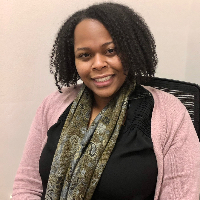
Jennifer LaPenta
LCSW
Connecticut 19 years in practice
LCSW - Stress and relationship concerns
- Stress, Anxiety
- Relationship
- Family
Therapists who list CBT
70 therapists licensed in Connecticut list CBT among their approaches. Each profile shows the license and NPI as listed. Sessions are online.
Welcome to our Connecticut online therapy directory. All therapists listed here are licensed to practice in Connecticut. Explore profiles to learn about specialties, approaches, credentials and languages to find a good match.
LCSW
Connecticut 19 years in practice
LCSW - Stress and relationship concerns
LCSW
Connecticut 16 years in practice
LCSW - Trauma and mood concerns
LCSW
Connecticut 45 years in practice
LCSW - Stress and Anxiety
LCSW
Connecticut 12 years in practice
LCSW in Connecticut - Stress and Relationship Concerns
LCSW
Connecticut 16 years in practice
LCSW - Anxiety and relationship concerns
LCSW
Connecticut 18 years in practice
LCSW - Stress and relationship concerns
Connecticut 25 years in practice
CT LPC - Stress and Relationships
Connecticut 32 years in practice
Licensed Professional Counselor - Anxiety and Stress
LPC
Connecticut 5 years in practice
LPC counselor - anxiety and relationships
LCSW
Connecticut 6 years in practice
LCSW - Anxiety and trauma focus
LCSW
Connecticut 24 years in practice
Licensed Clinical Social Worker - Stress and Aging
LCSW
Connecticut 33 years in practice
LCSW - Anxiety and Life Transitions
LPC
Connecticut 3 years in practice
Licensed Professional Counselor - Anxiety and Stress
LPC
Connecticut 5 years in practice
Licensed Professional Counselor - Mood and anxiety
LMHC, LPC
Connecticut 10 years in practice
LMHC LPC - Anxiety and Trauma
LCSW
Connecticut 13 years in practice
LCSW - Anxiety and Relationship concerns
LMFT
Connecticut 33 years in practice
LMFT - Anxiety and Addictions-focused
LCSW
Connecticut 48 years in practice
LCSW - Relationships and Trauma
Connecticut 19 years in practice
LPC in Connecticut - Mood and anxiety concerns
LCSW
Connecticut 16 years in practice
LCSW - Addictions and Relationships
LCSW
Connecticut 25 years in practice
LCSW - Anxiety and trauma support
LCSW
Connecticut 29 years in practice
LCSW - addictions and trauma care
LICSW, LCSW
Connecticut 11 years in practice
LICSW LCSW - Stress and Anxiety focus
LCSW
Connecticut 17 years in practice
Licensed Clinical Social Worker - Anxiety and Trauma
LCSW
Connecticut 10 years in practice
LCSW - Anxiety and Addictions
LCSW
Connecticut 34 years in practice
LCSW - Stress and relationship concerns
LCSW
Connecticut 25 years in practice
LCSW - Stress and relationship concerns
LMHC, LPC
Connecticut 12 years in practice English, Russian
LMHC LPC - Relationships and Mood
CT Psychologist
Connecticut 13 years in practice
CT Psychologist - Parenting and ADHD
LCSW
Connecticut 17 years in practice
LCSW - Anxiety and Depression
LCSW
Connecticut 25 years in practice
Licensed Clinical Social Worker - stress and life changes
LCSW
Connecticut 22 years in practice
Licensed Clinical Social Worker - Stress and Trauma
CT Psychologist, RI Psychologist
Connecticut 9 years in practice
CT Psychologist - Stress and Relationships
LPC
Connecticut 10 years in practice
Licensed Professional Counselor - Stress and Relationships
LCSW
Connecticut 25 years in practice
LCSW - Anxiety and Trauma
LCSW
Connecticut 25 years in practice
LCSW - Stress and anxiety support
LCSW
Connecticut 10 years in practice
Licensed Clinical Social Worker - Addiction and Mood
LCSW
Connecticut 20 years in practice
LCSW - Stress and relationship concerns
Connecticut 3 years in practice
CT LCSW - Stress and Family Concerns
LCSW
Connecticut 18 years in practice
LCSW - Stress and anxiety support
Connecticut 40 years in practice English, Spanish
LCSW - Stress and Relationship concerns
Connecticut 38 years in practice
LCSW - Stress and anxiety support
CT Psychologist
Connecticut 36 years in practice
CT Psychologist - Anxiety and Parenting
LMFT
Connecticut 10 years in practice
LMFT - Trauma and Relationship Concerns
Connecticut 6 years in practice
Dr. Sursatie Chetram LPC - Stress and Relationship Work
LPC
Connecticut 13 years in practice
Licensed Professional Counselor - Depression and Anxiety
LMHC, LPC
Connecticut 11 years in practice
LMHC LPC - Stress and Anxiety focus
LPC
Connecticut 9 years in practice
Licensed Professional Counselor - Relationships and Mood
Some links on this page are partner links. We will earn a commission if you sign up through one, at no cost to you. It does not change what you pay or the order of the listings.
Online therapy has become a commonly used option for people across Connecticut who want counseling without traveling to an office. Many licensed mental health professionals list remote services among the ways they meet with clients, and that online presence means you can connect from a city apartment, a suburban home, or a rural town. The landscape of teletherapy is shaped by state licensure rules, so licensed Connecticut practitioners typically hold a Connecticut license to offer services to residents here. Profiles in this directory show the approaches and focus areas therapists list so you can get a sense of their practice style before you reach out.
When you search for an online therapist, you will notice a range of formats offered. Some therapists list video sessions as their primary method, while others indicate they use phone sessions, text or messaging check-ins, or blended formats that combine synchronous meetings with brief between-session contact. Each therapist’s listing summarizes the formats they offer along with the populations they work with, such as adolescents, adults, couples, families, or older adults. This overview is intended to help you understand the practical options available across Connecticut and to clarify what kinds of remote support you might pursue.
Online therapy can make it easier to fit care into a busy life. You can remove commuting time, which is helpful if you have work, childcare, or transportation limits. For Connecticut residents who live far from urban centers, remote sessions reduce travel and expand the number of therapists you can consider. Many people find it easier to schedule appointments around nontraditional hours when they are not constrained by an office location.
There are also comfort and accessibility advantages. You can join a session from a comfortable environment where you feel more at ease, which may help you focus on the topics you want to address. If mobility, chronic health conditions, or caregiving responsibilities make leaving home difficult, online sessions provide a practical way to maintain regular contact with a therapist. Technology also enables continuity when illness, weather, or travel would otherwise interrupt in-person meetings. Thinking about what matters most to you - consistency, convenience, or particular session formats - will help you weigh whether online therapy fits your needs.
Therapists offering online services in Connecticut commonly work with a broad range of concerns. Many list anxiety, depression, stress management, grief, relationship issues, life transitions, and workplace challenges among their areas of focus. You will also find clinicians who indicate experience with parenting issues, perinatal mood concerns, trauma recovery, substance use goals, and coping with chronic health conditions. Because professionals describe their specialties in different ways, reading multiple profiles gives you a clearer picture of how a therapist frames the concerns they address.
In addition to concerns, therapists often list the therapeutic approaches they use. For example, you may see therapists who list CBT among their approaches or therapists who list EMDR among their approaches. Other approaches commonly listed include psychodynamic work, mindfulness-based practices, solution-focused techniques, and family systems perspectives. Remember that a therapist’s profile reflects how they describe their work, so their wording can help you anticipate the style of sessions and the kinds of strategies they might use in conversations with you.
It is important to confirm that a therapist is licensed to practice in Connecticut before beginning work together. Many profiles include a license number or indicate the license type, and you can cross-check that information using Connecticut licensing board websites and online license lookup tools. When you search, look for the therapist’s name, license type, license number, license status, and whether there are any disciplinary actions listed. These public records provide basic verification that the person holds a current credential recognized by the state.
Telehealth laws and regulations can change, so consider reviewing the current guidance from Connecticut licensing authorities if you have questions about cross-state practice or emergency rules. If a therapist’s profile indicates they are licensed in another state, ask how that impacts care for Connecticut residents. Insurance reimbursement for online services varies by plan and provider, so check with your insurer about telehealth coverage and any requirements such as specific billing codes or provider networks. If cost is part of your decision, profiles often include fee ranges or information about payment types accepted, which can help you plan your next steps.
Beginning with an online therapist is a process you can navigate intentionally. Start by clarifying your priorities - whether you want short-term skill-building, ongoing support for complex issues, or help with a specific life transition. Use directory filters to narrow for populations, languages, approaches, and session formats. When you identify profiles that feel like potential matches, reach out using the contact method provided in the listing. Many therapists provide a brief initial contact where you can ask practical questions about session lengths, typical course of work, fee structure, and what technologies they use for meetings.
Before your first session, prepare a short list of goals you want to address and any background that could be helpful - significant life events, current medications, previous therapy experiences, and preferences for session style. Ensure you have a reliable internet connection, a device with video capability if you plan to use video sessions, and a quiet area where you can speak without interruption. If you live with others, coordinate a time and place where you can join a session without being overheard or disturbed to preserve your sense of privacy and comfort during the meeting.
Choosing a therapist is a personal decision and it helps to take a thoughtful approach. Pay attention to the way therapists describe their focus areas and approaches, and favor language that matches your expectations for counseling style. If you value structured, skills-based work, look for profiles that emphasize goal-oriented approaches. If you prefer deeper exploration of relationships and patterns, profiles that describe relational or psychodynamic perspectives may be more relevant. Remember that therapists list their approaches in different ways, so you will sometimes see similar methods described using different terms.
Consider practical factors in addition to style. Check which languages a therapist lists, whether they describe experience with populations similar to yours, and what session formats they mention. Look at stated credentials to understand professional background, and use licensing search tools to confirm the license type and status. When you contact a therapist, ask about their experience with the issues you want to address and about how they typically structure remote sessions. Trust your sense of rapport - feeling heard and respected during initial conversations is often a strong indicator of whether a therapeutic relationship will be comfortable for you.
Finally, plan for safety by asking about emergency protocols. Because online sessions can occur from any location, make sure you know how to reach local emergency services where you are joining from and ask the therapist how they handle crisis situations. A brief conversation about logistics, technology, fees, and session expectations before you begin can help you feel more confident in moving forward. Taking these steps will help you choose a Connecticut online therapist whose approach, credentials, and communication style are a good fit for your needs and preferences.