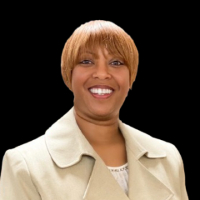
Daniel Norvell
LCSW
Delaware 6 years in practice
LCSW - Anxiety and trauma focus
- Stress, Anxiety
- Addictions
- LGBT
Therapists who list CBT
18 therapists licensed in Delaware list CBT among their approaches. Each profile shows the license and NPI as listed. Sessions are online.
Welcome to our directory of online therapists serving Delaware. All therapists listed here are licensed in Delaware and offer services via video or phone. Explore profiles to learn about specialties, approaches, credentials, and languages to find a good fit for your needs.
LCSW
Delaware 6 years in practice
LCSW - Anxiety and trauma focus
LCSW
Delaware 28 years in practice English, Spanish
Licensed Clinical Social Worker - Anxiety and Stress
LMFT
Delaware 24 years in practice
LMFT - Relationships and Trauma
LPMHC
Delaware 15 years in practice
LPMHC - Anxiety and Relationship Concerns
Delaware 7 years in practice
LCSW - Stress and mood concerns
LCSW
Delaware 9 years in practice
LCSW - Relationships and mood concerns
LPMHC
Delaware 5 years in practice
LPMHC counselor - anxiety and mood concerns
LPMHC
Delaware 16 years in practice
LPMHC in Delaware - anxiety and addictions
LMFT
Delaware 6 years in practice
LMFT - Relationships and Anxiety
LPMHC
Delaware 13 years in practice
LPMHC - Addictions and Mood Concerns
LCSW
Delaware 4 years in practice
LCSW - Mood and stress concerns
LCSW
Delaware 11 years in practice
LCSW - Anxiety and Trauma focus
LPC, LPMHC
Delaware 15 years in practice
Licensed counselor - family and trauma
LCSW
Delaware 5 years in practice
Licensed Clinical Social Worker - Stress and Anxiety
LCSW
Delaware 5 years in practice
LCSW - stress and anxiety support
LCSW
Delaware 28 years in practice
LCSW - Stress and Anxiety care
LCSW
Delaware 12 years in practice
Licensed Clinical Social Worker - Stress and Anxiety
LCSW
Delaware 30 years in practice
LCSW - Stress and Trauma focus
Some links on this page are partner links. We will earn a commission if you sign up through one, at no cost to you. It does not change what you pay or the order of the listings.
If you live in Delaware and are considering therapy, you will find a range of licensed clinicians offering sessions through video calls, phone, and other virtual formats. Over the past decade many clinicians have integrated technology into their practices so that therapy can reach people across the state - from urban centers to smaller towns. Online therapy in Delaware generally means you work with a licensed professional who meets state requirements for practice and who provides services while you are located in Delaware. The experience you have will depend on the clinician’s approach, their professional background, and the platform or method they use to connect with you.
When exploring options, you will notice differences in how clinicians describe their work. Many list the populations they work with, the concerns they focus on, and the therapeutic approaches they use. It is common to see clinicians who list cognitive behavioral therapy among their approaches, psychodynamic approaches, mindfulness-based methods, or approaches such as EMDR among their approaches. Reading profiles can help you understand how a clinician frames their practice and whether their focus aligns with what you want to address.
Online therapy can make it easier for you to fit mental health care into a busy life. If you live in areas with longer travel times, if you balance caregiving or work responsibilities, or if mobility is a concern, meeting with a clinician from home or another convenient location can reduce the logistical barriers that sometimes prevent people from starting or continuing therapy. You may also find that remote sessions give you access to clinicians who specialize in particular issues or who speak your preferred language, expanding the pool of professionals beyond what is immediately local.
Another benefit is flexibility in appointment timing and session format. Some clinicians offer evening or weekend sessions by video, while others provide shorter check-in visits by phone. Using technology can also allow for continuity if you travel within Delaware, move within the state, or have intermittent needs. When technology works well, many people feel more comfortable showing up for sessions consistently, which can support steady progress toward their goals.
Online therapists in Delaware commonly work with a wide range of concerns. You will find clinicians describing help for anxiety, depression, relationship stress, life transitions, grief, trauma-related symptoms, parenting and family challenges, workplace stress, and coping with chronic illness. Some clinicians also note experience addressing issues related to identity, cultural stressors, and adjustments to major life events. While profiles describe areas of focus, remember that a clinician’s description is a starting point for a conversation about how they might work with you.
Approaches listed on profiles vary. Many clinicians describe cognitive behavioral therapy or acceptance and commitment approaches, while others list psychodynamic perspectives or interpersonal methods. You may find clinicians who list EMDR among their approaches, or who list somatic or mindfulness-informed methods. Keep in mind that seeing an approach named on a profile tells you the clinician uses or values that method, but it is appropriate to ask how an approach would be applied to your specific situation. Language options and cultural competency are also frequently noted on profiles, and choosing a clinician who communicates in your preferred language or who shares an understanding of your cultural background can be an important part of feeling heard and understood.
Verifying a clinician’s license is an important step in choosing a therapist. Delaware maintains public records for professional licenses through the Division of Professional Regulation, where you can search for a clinician’s name to confirm licensure. When you look up a license you can typically see the professional category, license status, expiration date, and any public disciplinary records. Those details help you understand whether a clinician is licensed in the state and whether there are any board actions on record.
In addition to the official license lookup, you can note the license type that appears on a clinician’s profile, such as Licensed Clinical Social Worker, Licensed Professional Counselor, Licensed Marriage and Family Therapist, or Psychologist. Each license type has a defined scope of practice, and the state licensing board is the authoritative source for questions about scope and standards. If you have questions about a license entry or about telehealth practice rules, you can contact the licensing board directly for clarification. Asking a clinician for their license number and using the state lookup before beginning work with them is a straightforward way to confirm licensure.
Starting therapy often begins with reflecting on what you hope to accomplish. You might identify one or two specific goals, such as managing panic symptoms, improving communication in a relationship, processing grief, or developing strategies for work-related stress. Knowing your priorities will help you read clinician profiles for specialties and approaches that align with those goals. As you review profiles, pay attention to the clinician’s description of the populations they serve, the typical issues they address, language options, and how they describe their approach to therapy.
Practical considerations also matter. Think about session length, typical cadence of appointments, and the technology you prefer for sessions. Many clinicians explain whether they meet by video or phone and what tools they use. When preparing to reach out, consider asking how they generally work with people who have concerns similar to yours, what a typical first few sessions look like, how they measure progress, and what their fee structure is. It is reasonable to ask whether they accept your form of payment or insurance and how fee adjustments are handled. You should also inquire about privacy safeguards used by the clinician and the platform for sessions so you understand how session information is protected.
Your personal fit with a clinician is a key part of effective therapy. You may want a clinician who communicates in a style you find direct, reflective, practical, or relational. Cultural factors and shared identity may matter to you, and people often prioritize these aspects when selecting a clinician. If an initial conversation does not feel like the right fit, it is okay to continue searching until you find someone whose approach and manner align with your preferences. Starting with a clear goal, asking practical questions, and reflecting on how a clinician’s description resonates with you will help you make informed choices as you begin online therapy in Delaware.