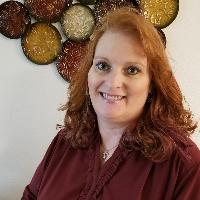
Kristi Skeem
LPC
Idaho 15 years in practice
LPC counselor - Stress and relationship concerns
- Stress, Anxiety
- Addictions
- Anger
Therapists who list CBT
56 therapists licensed in Idaho list CBT among their approaches. Each profile shows the license and NPI as listed. Sessions are online.
Welcome to our directory of online therapists serving Idaho. All therapists listed on this page are licensed professionals - explore profiles to learn about credentials, languages, approaches, and clinical focuses. Use the filters to narrow your search and find a therapist who matches your needs.
LPC
Idaho 15 years in practice
LPC counselor - Stress and relationship concerns
LCSW
Idaho 37 years in practice
Licensed Clinical Social Worker - relationships and anxiety
LPC
Idaho 8 years in practice
Licensed Professional Counselor - Anxiety and Trauma
LCSW
Idaho 8 years in practice
LCSW - Stress and Relationship Concerns
LCSW
Idaho 18 years in practice
Licensed Clinical Social Worker - anxiety and trauma
LCSW
Idaho 13 years in practice
Licensed Clinical Social Worker - Stress and Anxiety
LPC
Idaho 5 years in practice
LPC in Idaho - Anxiety and Addiction
LMFT
Idaho 13 years in practice
LMFT - Stress and Anxiety Support
Idaho 4 years in practice
LPC counselor - relationships and anxiety
LPC
Idaho 10 years in practice
Licensed Professional Counselor - Anxiety and Family Concerns
LCSW
Idaho 13 years in practice
LCSW - stress and life changes
LCPC
Idaho 11 years in practice
Licensed Clinical Professional Counselor - Stress and Addiction
LCSW, LMHC
Idaho 26 years in practice
LCSW and LMHC - Stress and relationship concerns
LCSW
Idaho 20 years in practice
LCSW - Anxiety and Trauma
LCSW
Idaho 9 years in practice
LCSW - Stress and anxiety support
LMHC, LCPC
Idaho 20 years in practice
Dr. Skytina Felder-Jones LMHC LCPC - Addictions and Relationships
LPC
Idaho 8 years in practice
Licensed Professional Counselor - Anxiety and Trauma
LCSW
Idaho 13 years in practice
LCSW focusing on anxiety and addiction
LPC
Idaho 10 years in practice English, French
LPC counselor - anxiety and parenting
LPC, LMHC
Idaho 8 years in practice
LPC LMHC - Anxiety and Trauma
LCSW
Idaho 11 years in practice
LCSW - Anxiety and Addictions
LCPC
Idaho 19 years in practice
LCPC in Idaho - Mood and trauma concerns
LCSW, LICSW
Idaho 25 years in practice
LCSW counselor - stress and relationships
LMFT
Idaho 16 years in practice
LMFT - Stress and anxiety support
LPC
Idaho 6 years in practice
Licensed Professional Counselor - Anxiety and Trauma
LPC
Idaho 19 years in practice
LPC counselor - anxiety and addictions
LCSW
Idaho 6 years in practice
LCSW - Anxiety and Trauma-focused
LCSW
Idaho 13 years in practice
LCSW - Stress and trauma work
LPC
Idaho 3 years in practice
LPC - stress and family concerns
LCPC
Idaho 14 years in practice
LCPC counselor - Anxiety and stress
LPC
Idaho 5 years in practice
LPC in Idaho - anxiety and relationship concerns
LCSW
Idaho 24 years in practice
LCSW in Idaho - Depression and Trauma
LCSW
Idaho 6 years in practice
LCSW - Anxiety and Life Changes
LICSW, LCSW
Idaho 12 years in practice
LICSW LCSW - Anxiety and Trauma
LCSW, CSW
Idaho 7 years in practice
LCSW focusing on anxiety and relationships
LCPC
Idaho 10 years in practice
LCPC in Idaho - Anxiety and trauma support
Idaho 30 years in practice
LCSW in Idaho - trauma and grief focus
LCPC
Idaho 8 years in practice
LCPC in Idaho - depression and anxiety
LCSW
Idaho 27 years in practice
LCSW - Stress and relationship concerns
LPC
Idaho 8 years in practice
LPC - Stress and Addiction support
LPC
Idaho 17 years in practice
Licensed Professional Counselor - Stress and Relationships
LCSW
Idaho 13 years in practice
LCSW - Stress and trauma focused
LCSW
Idaho 9 years in practice
LCSW - Stress and mood concerns
Idaho 10 years in practice
LMFT focusing on relationships and trauma
LCSW
Idaho 17 years in practice
Licensed Clinical Social Worker - Depression and Anxiety
LCSW
Idaho 25 years in practice
LCSW focused on anxiety and addiction
LPC
Idaho 6 years in practice
LPC in Idaho - Women's issues and trauma
LCMHC, LCPC
Idaho 5 years in practice
Licensed counselor - stress and anxiety
Some links on this page are partner links. We will earn a commission if you sign up through one, at no cost to you. It does not change what you pay or the order of the listings.
If you are exploring online therapy in Idaho, you will find a range of clinicians who offer remote sessions for residents across the state. The landscape of teletherapy has evolved since the early 2020s, and many clinicians describe delivering care by video or phone to reach people in both urban centers and rural communities. State rules and professional requirements influence how therapists practice across state lines, so it is helpful to be aware that different license categories have distinct expectations and oversight.
When you search in this directory you will see profiles that note credentials, licensure type, clinical focus, and the therapeutic approaches a clinician lists. These profiles give you an efficient way to identify therapists who mention the modalities and populations relevant to your needs. While technology makes it easier to connect from anywhere in Idaho, the specific permissions and ethical obligations that guide remote work remain grounded in the state licensing framework. If you want more detail about legal or regulatory matters, the Idaho licensing boards and professional associations publish guidance on practice standards and telehealth policies.
Online therapy can offer practical advantages if you live in Idaho. It removes the need to travel long distances in some regions, so you may have easier access to clinicians who focus on concerns such as anxiety, depression, trauma, or parenting. You can also look for therapists who list specialty approaches among their offerings - for example, therapists who list CBT among their approaches or therapists who list EMDR among their approaches - which can help you connect with a clinician whose methods align with your preferences.
Beyond convenience, remote sessions can provide scheduling flexibility and consistent contact with a clinician when in-person appointments would be difficult. If mobility, caregiving responsibilities, or work schedules make travel challenging, online sessions can reduce logistical barriers. Many people also find that having sessions from a familiar setting helps them feel more comfortable speaking about sensitive issues, as long as you choose a quiet personal space for the session. Keep in mind that online therapy still follows the same information-sharing boundaries and professional standards as in-person care, and clinicians are expected to follow the ethical rules of their licensing boards.
You can look to online therapists for a wide range of concerns. Many clinicians list experience working with anxiety and mood disorders, trauma-related reactions, grief and loss, relationship and family challenges, parenting support, and stress related to life transitions. Some also describe supporting people managing chronic health conditions, workplace stress, or substance-use concerns. Profiles often indicate particular populations of focus, such as adolescents, adults, couples, or older adults, which helps you determine whether a therapist has experience with your life stage.
Therapists in this directory may list various therapeutic approaches among their methods. When you read profiles, note whether a clinician lists problem-focused approaches or relational and experiential approaches, and think about which orientation feels most likely to help you. If you have a specific concern like trauma processing or obsessive thoughts, you can prioritize profiles that mention relevant approaches, while remembering that a listing does not guarantee specific training or outcomes. The personal match between you and a clinician - including cultural understanding, communication style, and areas of clinical emphasis - often plays a central role in whether therapy feels effective.
Verifying a clinician's license is an important step before starting therapy. Licenses to practice psychotherapy may be issued under different titles depending on the profession - for example licensed clinical social workers, licensed professional counselors, marriage and family therapists, and psychologists all have distinct licensing paths. You can use the state licensing board's online lookup tools to confirm that a license is active and to review any public disciplinary record. If a profile lists a license number, you can use that number in the board's search tool to find details about expiration date and status.
When checking records, pay attention to the license type that matches the therapist's discipline and to any public notices or restrictions. If you are unsure which board to consult, a therapist's profile often indicates their credential designation in plain language, which helps you locate the correct licensing authority. You may also ask a clinician directly for their license number and the name of the issuing board so you can confirm details on the official website. Doing this kind of administrative check gives you clearer information about standing and helps you feel more informed about the clinician you are considering.
Beginning therapy can feel daunting, but a few practical steps can make the process smoother. Start by clarifying what you want help with and what matters most in a therapeutic relationship - for example whether you prefer a directive problem-solving style, a collaborative exploration of patterns, or culturally attuned care. Use those priorities to filter profiles by clinical focus, languages spoken, and the approaches a therapist lists. Pay attention to credentials and professional background, and note any populations that a clinician highlights as part of their practice.
When you reach out to a therapist, prepare a short list of questions that help you evaluate fit. You might ask about their experience with the issues you mention, how they structure remote sessions, what platforms they use, and what to expect in terms of session length and frequency. It is also reasonable to ask about fees, payment methods, and whether they provide documentation needed for insurance or reimbursement. Make sure you have a quiet personal space for sessions and consider how you will manage privacy at home and handle emergencies during remote work. Above all, trust your impressions - if a clinician explains their approach clearly and invites collaborative goal setting, you are likely in a good position to see whether the working relationship will meet your needs.
As you progress, keep in mind that it is normal to refine your goals and preferences. You can discuss how progress will be measured and what changes in focus might look like if your needs evolve. Good therapeutic work typically involves feedback and collaborative adjustments to techniques, pacing, and topics. If a therapist suggests an approach you want to learn more about, ask for a clear explanation of how it may be applied to your situation and what practical steps you will take together. With thoughtful preparation and ongoing communication, online therapy can be a practical and meaningful option for many Idaho residents.