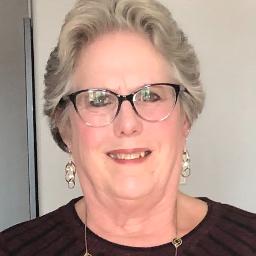
Laticia Georgie
LCSW
Illinois 10 years in practice
LCSW in Illinois - Anxiety and Depression
- Stress, Anxiety
- Trauma and abuse
- Grief
Therapists who list CBT
298 therapists licensed in Illinois list CBT among their approaches. Each profile shows the license and NPI as listed. Sessions are online.
Welcome to our directory for people seeking online therapy in Illinois. All listed therapists are licensed to practice in the state - explore profiles to find clinicians who match your needs.
LCSW
Illinois 10 years in practice
LCSW in Illinois - Anxiety and Depression
LCPC
Illinois 7 years in practice English, Spanish
Illinois LCPC - Anxiety and Relationships
LCSW
Illinois 25 years in practice
LCSW in Illinois - anxiety and life changes
Illinois 33 years in practice
Dr. Kathryn (Kitty) Klee - LCPC, family and parenting focus
LCSW
Illinois 10 years in practice English, Spanish
Illinois LCSW - Anxiety and Relationships
LCSW
Illinois 25 years in practice
Licensed Clinical Social Worker - Anxiety and Depression
LCPC
Illinois 3 years in practice
Licensed counselor - anxiety and relationships
LCPC
Illinois 8 years in practice
LCPC in Illinois - stress and anxiety care
LCPC
Illinois 26 years in practice
LCPC in Illinois - CBT and skills based
LCSW
Illinois 8 years in practice
LCSW - Stress and anxiety support
LCSW
Illinois 9 years in practice
Licensed Clinical Social Worker - Anxiety and Trauma
IL Psychologist
Illinois 5 years in practice
Dr. Frances Morrison - Psychologist, Anxiety and Relationships
Illinois 18 years in practice
Illinois LCPC - Stress and Addictions
LCPC
Illinois 28 years in practice
Illinois LCPC - Stress and Anxiety
LCSW
Illinois 8 years in practice
LCSW in Illinois - Stress and Anxiety
LCSW
Illinois 22 years in practice
LCSW - Stress and Anxiety
LCPC
Illinois 15 years in practice
Illinois LCPC - Anxiety and Relationships
LCSW
Illinois 47 years in practice
LCSW - Anxiety and relationship concerns
LCPC
Illinois 25 years in practice
Illinois LCPC - Stress and mood concerns
LCPC
Illinois 23 years in practice
LCPC in Illinois - Anxiety and Depression
LCPC
Illinois 30 years in practice
LCPC in Illinois - Family and trauma concerns
LCSW
Illinois 12 years in practice
LCSW in Illinois - stress and relationship concerns
LCSW
Illinois 20 years in practice
LCSW - Stress and relationship concerns
LCSW
Illinois 40 years in practice
LCSW focused on depression and life transitions
LCPC
Illinois 22 years in practice
Illinois LCPC - Anxiety and Depression
LCSW
Illinois 30 years in practice
Dr. Lisa Hines LCSW - Stress and trauma care
LCSW
Illinois 6 years in practice
Licensed clinical social worker - stress and anxiety
LCPC
Illinois 6 years in practice
Illinois LCPC - Stress and Anxiety
LCSW
Illinois 30 years in practice
LCSW - Addictions and Relationship Issues
LCSW
Illinois 15 years in practice
Licensed Clinical Social Worker - Stress and Anxiety
Illinois 17 years in practice
LCSW - Trauma and mood concerns
LCSW
Illinois 20 years in practice
LCSW - Anxiety and relationship issues
LCPC
Illinois 7 years in practice
LCPC in Illinois - anxiety and life changes
LCSW
Illinois 28 years in practice
LCSW - Anxiety and relationship issues
LCPC
Illinois 7 years in practice
Illinois LCPC - Anxiety and Stress
LCSW
Illinois 3 years in practice
LCSW - stress and trauma support
LCPC
Illinois 18 years in practice
IL LCPC focusing on anxiety and mood
LCPC
Illinois 10 years in practice
LCPC in Illinois - stress and trauma
LCPC, LPC
Illinois 15 years in practice English, Spanish
LCPC LPC - Stress and Relationships
Illinois 27 years in practice English, Spanish
Illinois LCSW - Stress and Relationship Concerns
LCSW
Illinois 23 years in practice
LCSW focused on anxiety and family stress
LCSW
Illinois 41 years in practice
LCSW in Illinois - Anxiety and Stress
LCPC
Illinois 13 years in practice
Illinois LCPC - Anxiety and Addiction
LCPC
Illinois 31 years in practice
Illinois LCPC - Stress and Relationships
LCPC
Illinois 15 years in practice
Licensed counselor - Mood and trauma work
LCSW
Illinois 14 years in practice
LCSW - Stress and Relationship Support
LCPC
Illinois 9 years in practice
IL LCPC - Stress and Anxiety
LCSW
Illinois 4 years in practice
LCSW - Stress and Anxiety focus
Some links on this page are partner links. We will earn a commission if you sign up through one, at no cost to you. It does not change what you pay or the order of the listings.
Online therapy has grown into a widely used option for people across Illinois, from large metropolitan areas to smaller towns and rural counties. In recent years the practice of delivering counseling and psychotherapy through video, phone, and other remote tools has become more common among clinicians who work with Illinois residents. When you search for an online therapist in Illinois you will find professionals who describe a range of approaches, specializations, and languages. State licensing rules mean therapists offering services to people in Illinois must hold an active Illinois license, so most profiles include license type and jurisdiction information that you can verify.
Because online sessions remove the need to travel to an office, many people use teletherapy to maintain continuity of care during life changes, to access clinicians who list particular specialty areas, or to fit sessions into busy schedules. Regulations and reimbursement practices continue to evolve, so it is helpful to know how state licensing and your own preferences shape the options you see when browsing online therapist profiles.
When you choose online therapy you are opting for a format that can offer practical advantages. You can meet with a clinician from wherever you have a reliable internet or phone connection, which reduces commute time and makes it easier to keep appointments around work, school, or family commitments. For people outside of Illinois urban centers, online options can broaden access to clinicians who list specialized approaches or languages that are less available locally. If you are balancing childcare, multiple jobs, or mobility limitations, teletherapy can make it simpler to fit regular care into your life.
Online sessions can also make it easier to maintain continuity when you move within Illinois or travel in-state. Many people appreciate being able to search profiles by approach, focus area, or language to find clinicians who describe experience with similar issues. You should also consider practical matters like how a clinician handles billing, whether they provide receipts for insurance reimbursement, and what technology they use to protect session data. Asking about privacy protections and encryption, and confirming how records are kept and shared, will help you choose a setup that fits your comfort level.
Online therapists address a wide range of emotional, behavioral, and relational concerns. If you are coping with anxiety, depression, or stress related to work or school, you will likely find clinicians who list cognitive behavioral therapy among their approaches and who describe strategies for symptom management and skill building. People seeking help for trauma-related symptoms may look for clinicians who list EMDR among their approaches or who describe trauma-informed practices, while those navigating grief, life transitions, or chronic health conditions often search for clinicians who emphasize coping strategies and practical support.
Relationship difficulties, including couples therapy and family concerns, are common reasons people pursue online therapy, and some therapists list family systems or couples approaches among their specialties. Parenting challenges, adolescent mental health, workplace stress, substance-related concerns, and identity-related issues are other areas that clinicians commonly address. Review therapist profiles for their stated focus areas and the ways they describe working with people who face similar challenges to get a sense of fit before you reach out.
Verifying that a clinician is licensed to practice in Illinois is an important step before beginning online therapy. Start by checking the license details listed on a therapist's profile and note the license number and issuing board if provided. You can then use the Illinois Department of Financial and Professional Regulation license lookup to confirm that the license is active, to see the license type, and to review any public disciplinary records. If a profile does not include clear licensing information, you can request the license number directly from the clinician or search by name on the state lookup site.
Once you have confirmed licensure, prepare some practical items to get started. Make a short list of what you want from therapy, including a few goals you can share at the first session. Note any questions about fees, insurance, sliding scale options, session length, cancellation policy, and how the clinician handles documentation. Ask what technology they use for online sessions, whether they require a video-capable device, and what steps they recommend for ensuring a stable connection. It is also wise to identify local supports and emergency resources in your area of Illinois so you have contact information handy if urgent help is needed between sessions.
Choosing a therapist is a personal decision and you should feel empowered to find a clinician whose style and approach match your needs. Start by prioritizing what matters most to you - an approach that aligns with how you prefer to work, a therapist who lists experience with your primary concern, a clinician who speaks your language, or someone whose background and perspective you find relatable. Read profiles to understand how clinicians describe their work, including the approaches they mention and the populations they serve.
You may find it helpful to contact a few therapists with a short set of questions about how they typically structure sessions, how they approach the issues you want to address, and what kinds of goals people often set with them. Many clinicians are willing to answer preliminary questions so you can get a sense of communication style and fit. During initial conversations pay attention to whether you feel heard and respected and whether the clinician is clear about logistical details like fees and documentation. If something does not feel like a good match you can continue your search until you find a clinician who feels right for you.
In addition to clinical fit, pay attention to logistical details that will affect your ongoing experience. Confirm whether the clinician provides receipts or codes needed for insurance reimbursement, and ask how they document sessions. Clarify how sessions are scheduled and how you will receive reminders. Consider accessibility needs, such as whether a clinician can provide interpretation or materials in your preferred language, and whether their session times align with your schedule.
Finally, trust your process. It is normal for the relationship with a therapist to take some time to develop. If you are not sure after a few sessions, it is acceptable to discuss your concerns openly or to try a different clinician who might be a better match. Using a directory to explore profiles, compare approaches, and reach out with specific questions will help you make an informed choice about online therapy in Illinois and start care that aligns with your goals and circumstances.