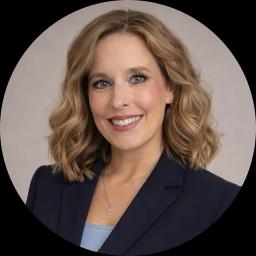
James Judkins
LISW
Iowa 38 years in practice
Licensed social worker - Anxiety and trauma
- Stress, Anxiety
- Trauma and abuse
- Anger
Therapists who list CBT
43 therapists licensed in Iowa list CBT among their approaches. Each profile shows the license and NPI as listed. Sessions are online.
Welcome to the Iowa online therapy directory. All therapists listed here are licensed to practice in Iowa, and you can explore their profiles to learn about their focus areas and approaches.
Use the listings below to review experience, languages, and methods that match what you want from therapy, then continue reading for guidance on next steps.
LISW
Iowa 38 years in practice
Licensed social worker - Anxiety and trauma
Iowa 15 years in practice
Licensed Mental Health Counselor - Trauma and Mood Concerns
LISW
Iowa 7 years in practice
LISW clinician - anxiety and relationships
LISW
Iowa 30 years in practice
Iowa LISW - Stress and mood concerns
LISW, CSW-PIP
Iowa 30 years in practice
Iowa LISW - Anxiety and Trauma
LMHC
Iowa 9 years in practice
LMHC in Iowa - Trauma and mood concerns
LCSW, LISW
Iowa 31 years in practice
LCSW LISW - Addictions and Trauma
LPC-MH, LMHC
Iowa 8 years in practice
Licensed counselor - Anxiety and stress
LMHC
Iowa 8 years in practice
LMHC in Iowa - Stress and Anxiety
LISW
Iowa 4 years in practice
LISW in Iowa - Anxiety and Mood concerns
LCPC
Iowa 6 years in practice
LCPC - Relationships and mood concerns
LISW
Iowa 6 years in practice
Licensed Independent Social Worker - Mood and trauma care
LISW, LIMHP
Iowa 12 years in practice
Licensed social worker - life transitions and mood
LPC, LMHC
Iowa 9 years in practice
LPC LMHC - Addiction and Anxiety focus
LMHC
Iowa 8 years in practice
Licensed Mental Health Counselor - Anxiety and Trauma
LMHC
Iowa 9 years in practice
Iowa LMHC - Anxiety and trauma
LISW
Iowa 9 years in practice
Licensed Independent Social Worker - Depression and Anxiety
LPC, LMHC
Iowa 20 years in practice English, Spanish
LPC and LMHC - Stress and Anxiety
LISW
Iowa 11 years in practice
LISW - Anxiety and trauma focused
LISW
Iowa 25 years in practice
LISW - Anxiety and Trauma focus
LMFT
Iowa 15 years in practice
LMFT in Iowa - Relationships and Family
LMHC
Iowa 6 years in practice
Iowa LMHC - Anxiety and Relationships
Iowa 5 years in practice
LMHC in Iowa - stress and trauma work
LCSW, CSW
Iowa 10 years in practice
LCSW focusing on anxiety and addiction
LCSW, LISW
Iowa 11 years in practice
LCSW focused on anxiety and relationships
LMHC
Iowa 24 years in practice
LMHC in Iowa - Anxiety and Relationships
LCSW, CSW
Iowa 20 years in practice
LCSW - Anxiety and life transitions
LMHC
Iowa 13 years in practice
LMHC in Iowa - Stress and Anxiety
LMHC
Iowa 17 years in practice
LMHC in Iowa - Stress and ADHD focus
LMHC
Iowa 12 years in practice
LMHC in Iowa - Anxiety and Stress
LMHC
Iowa 7 years in practice
Iowa LMHC - Addictions and Anxiety
Iowa 16 years in practice
LMFT - Addictions and Relationships
LMHC
Iowa 25 years in practice
LMHC in Iowa - Stress and relationships
LCSW, LISW
Iowa 10 years in practice
LCSW and LISW - anxiety and trauma
LISW
Iowa 25 years in practice
LISW in Iowa - stress and anxiety support
LMHC
Iowa 8 years in practice
Licensed Mental Health Counselor - Anxiety and Trauma
LMHC
Iowa 9 years in practice
LMHC in Iowa - Mood and stress concerns
LCSW, LISW
Iowa 25 years in practice
LCSW in Iowa - Anxiety and Grief
LMHC
Iowa 15 years in practice
LMHC in Iowa - stress and anxiety support
LMHC
Iowa 6 years in practice
Iowa LMHC - Anxiety and Addiction
LMHC
Iowa 10 years in practice
LMHC in Iowa - Relationships and Anxiety
LCSW
Iowa 14 years in practice
LCSW - mood and anxiety support
LISW
Iowa 35 years in practice
LISW in Iowa - Anxiety and Trauma
Some links on this page are partner links. We will earn a commission if you sign up through one, at no cost to you. It does not change what you pay or the order of the listings.
In recent years online therapy has become a widely used option for people living in Iowa, offering an alternative to in-person sessions that can fit around work, school, and family life. You will find licensed mental health professionals who provide services through video, phone, or messaging formats. Many of these clinicians are based in Iowa and can legally deliver care to residents because they hold an Iowa license. Others maintain licensure across state lines in ways that allow them to work with Iowans. When you review profiles you will see information about credentials, therapeutic approaches, and the populations therapists focus on so you can get a clear sense of who might align with your needs.
State regulations govern how therapy is delivered and who may practice, so online therapy in Iowa operates within the same legal framework as in-person care. That means you can expect licensed clinicians to adhere to professional standards and to be accountable to state regulatory bodies. Technology has expanded the ways you can connect with a therapist, but the essential elements of a therapeutic relationship remain the same - a trained clinician, a structured approach, and an emphasis on your goals for change. As you explore options, think about the session format that fits your routine and the types of therapy approaches listed in profiles that appeal to you.
Online therapy can reduce some practical barriers that make it hard to start or continue care. If you live in a rural town or travel frequently across the state, you may find it easier to schedule sessions from home or another convenient location. The flexibility of virtual sessions can help you maintain continuity of care despite life changes, and many people appreciate being able to access therapists who speak their language or have experience with specific issues without being limited by geography.
Another benefit is the wider range of approaches you can encounter. Some therapists list cognitive behavioral therapy, dialectical behavior therapy, EMDR, or mindfulness among their approaches, while others focus on relationship work, grief, or life transitions. Because profiles often include languages spoken and areas of expertise, you can look for a clinician whose background aligns with what you want to address. Online formats also make it possible to try a few different therapists until you find the right fit for your communication style and goals - without long commutes or scheduling conflicts. Keep in mind that while virtual care adds convenience, it works best when you have a quiet, uninterrupted place to talk and a reliable internet connection or phone signal.
Online therapists in Iowa work with a broad range of concerns that are commonly addressed in outpatient care. You may seek help for mood struggles such as depression or anxiety, stress related to work, school, or caregiving, and life transitions like relocation, career change, or relationship shifts. Many people also pursue therapy for trauma-related symptoms, grief, parenting challenges, and issues related to identity. Profiles often note if a therapist works with couples, families, adolescents, or adults, which can guide you toward clinicians who list relevant populations among their specializations.
Therapeutic approaches vary and you will see different modalities described in clinician profiles. For example, some therapists list cognitive behavioral strategies to address thought patterns and behaviors, while others list emotionally focused or interpersonal approaches that center on relationships and emotion processing. When profiles include EMDR among their approaches, that typically indicates the therapist uses that method with clients who have trauma-related concerns, though you should review their profile to understand how they describe their work. Because therapy is collaborative, you and your therapist can tailor the methods to what fits your situation and goals. If you have medical or medication questions, your therapist can help you determine whether coordination with a primary care provider or psychiatric professional would be helpful.
Knowing how to verify licensure helps you confirm a clinician meets state requirements to practice. The Iowa Board of Behavioral Science or the relevant licensing board for counselors, social workers, or psychologists maintains an online license lookup where you can search by name or license number. When you search, look for an active license status and whether any disciplinary actions are listed. The profile on this site will show the clinician's credential type and the licensure they report, and you can follow up with the state board for official verification.
Licensure information typically includes the license type, issue and expiration dates, and any public notices. If a therapist lists multiple credentials or works in more than one state, you can verify each license separately. Keep a note of the license number and the exact name used by the clinician when you check the state directory so you are looking at the correct record. Verifying licensure is a practical step that gives you confidence the person you choose has met the regulatory requirements for practice in Iowa.
When you are ready to begin, start by narrowing your search to therapists whose profiles mention the issues and approaches you prefer. Consider practical match points like the populations they list, the languages they speak, and the ways they describe session structure. You may want a therapist who lists experience with couples work, adolescent development, trauma-focused approaches, or life-cycle transitions. Because training and scope can vary, profiles use language like "therapists who list EMDR among their approaches" to indicate methods without implying specific certifications.
After you identify a few profiles that appeal to you, reach out to ask questions about how they work and what to expect from an initial session. You might ask about the therapist's general style, how they measure progress, and what a typical session looks like. Inquiring about practical matters such as session length, communication methods between sessions, and payment options helps you plan. Prepare a short summary of what brings you to therapy and the outcomes you hope to achieve so you can evaluate how well a clinician's approach aligns with your goals.
Finally, trust your response to the therapist's communication style and the sense of rapport you experience early on. It is common to try a few different clinicians before you find the right fit. Choosing a therapist is a personal decision influenced by the match between your preferences and the therapist's focus areas, approaches, and ways of engaging. With thoughtful searching and a few direct questions, you can find a licensed online therapist in Iowa who supports the work you want to do.