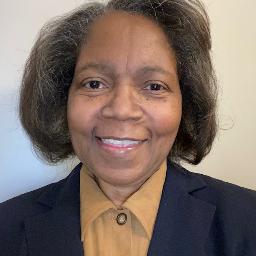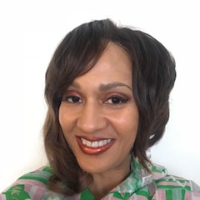
Surilla Lawrence
LPC
Michigan 7 years in practice
Licensed counselor - anxiety and relationships
- Stress, Anxiety
- Relationship
- Trauma and abuse
Therapists who list CBT
288 therapists licensed in Michigan list CBT among their approaches. Each profile shows the license and NPI as listed. Sessions are online.
Welcome to the Michigan section of our online therapist directory. All therapists listed here are licensed in Michigan; explore profiles to learn about their approaches, credentials and languages.
Use the listings below to find practitioners whose focus and style match your needs and preferences.
LPC
Michigan 7 years in practice
Licensed counselor - anxiety and relationships
LMSW
Michigan 9 years in practice
LMSW - Anxiety and life changes
LPC
Michigan 10 years in practice
Licensed Professional Counselor - Addiction and Anxiety
Michigan 25 years in practice
Licensed Professional Counselor - Stress and Anxiety
LMSW
Michigan 21 years in practice
LMSW - Stress and anxiety focused
LMSW
Michigan 24 years in practice English, Arabic
LMSW in Michigan - Anxiety and Relationships
LMSW
Michigan 3 years in practice
LMSW - Relationship and Family support
LMSW
Michigan 15 years in practice
LMSW - Stress and Anxiety support
LMSW, LCSW
Michigan 25 years in practice
Licensed social worker - family and trauma
LPC
Michigan 10 years in practice
Licensed Professional Counselor - Stress and Anxiety
LPC
Michigan 20 years in practice
LPC in Michigan - Anxiety and Mood Concerns
LPC
Michigan 10 years in practice
Licensed Professional Counselor - Anxiety and Life Changes
LMSW
Michigan 20 years in practice
LMSW in Michigan - relationships and parenting
LMSW
Michigan 30 years in practice
LMSW in Michigan - Stress and Relationship Work
LMSW, LISW
Michigan 10 years in practice
LMSW LISW - Mood and relationship concerns
LMSW
Michigan 26 years in practice
Licensed LMSW - Stress and Anxiety
LPC
Michigan 5 years in practice
Licensed Professional Counselor - Stress and Anxiety
LPC
Michigan 45 years in practice
Licensed counselor - anxiety and addiction
LMSW
Michigan 38 years in practice
Licensed LMSW - Anxiety and Family Concerns
LMSW
Michigan 25 years in practice
LMSW - Stress and mood concerns
LMSW
Michigan 31 years in practice
LMSW focused on anxiety and relationships
Michigan 30 years in practice
LPC in Michigan - Self esteem and Depression
LMSW
Michigan 15 years in practice
Licensed LMSW - Anxiety and Depression
LMSW
Michigan 20 years in practice
Licensed LMSW - Anxiety and Relationships
LMSW
Michigan 21 years in practice
LMSW - Stress and relationship concerns
LMSW
Michigan 23 years in practice English, Arabic
LMSW - anxiety and relationship concerns
MI Psychologist
Michigan 35 years in practice
Michigan Psychologist - Anxiety and Stress
LPC
Michigan 10 years in practice
Licensed Professional Counselor - Stress and Anxiety
LPC
Michigan 35 years in practice
LPC - Family and relationship concerns
LMSW
Michigan 20 years in practice
LMSW in Michigan - anxiety and trauma focus
LMSW
Michigan 40 years in practice
LMSW in Michigan - Stress and Relationships
LMSW
Michigan 20 years in practice
LMSW - Mood and addiction concerns
LMSW
Michigan 10 years in practice
Licensed Master Social Worker - Anxiety and Depression
LPC
Michigan 9 years in practice
Licensed counselor - Stress and anxiety
LMSW
Michigan 9 years in practice
LMSW - Anxiety and relationship work
MI Psychologist
Michigan 33 years in practice
Dr. Carol Schwartz - Psychologist, Anxiety and Parenting
Michigan 22 years in practice
LPC in Michigan - anxiety and addictions
LCSW, LMSW
Michigan 24 years in practice
LCSW clinician - mood and addiction support
Michigan 33 years in practice
LMSW focused on CBT and life changes
LMSW
Michigan 25 years in practice
LMSW focused on anxiety and life transitions
LMSW
Michigan 32 years in practice
LMSW - Anxiety and Relationship support
LMSW
Michigan 40 years in practice
LMSW counselor - grief and relationship help
LMSW
Michigan 8 years in practice
LMSW - Anxiety and life transitions
LPC
Michigan 25 years in practice
Licensed Professional Counselor - Relationships and Coping
LMSW
Michigan 25 years in practice
LMSW in Michigan - mood and coping support
LPC
Michigan 15 years in practice
Licensed Professional Counselor - Stress and Anxiety
LPC
Michigan 22 years in practice
Licensed Professional Counselor - Stress and Anxiety
LPC
Michigan 13 years in practice
LPC counselor - trauma and ADHD focus
Some links on this page are partner links. We will earn a commission if you sign up through one, at no cost to you. It does not change what you pay or the order of the listings.
Online therapy has become a widely used option for people across Michigan. Whether you live in Detroit, Grand Rapids, the Upper Peninsula or a rural township, you can connect with clinicians who offer synchronous sessions by video or phone. The shift toward virtual care expanded options for scheduling and for accessing clinicians who list a range of approaches and specializations. In Michigan, licensed practitioners are authorized to provide remote therapy when they hold the appropriate state license, and many include telehealth in how they describe their services. You will often find that profiles include information about approaches a therapist uses, such as cognitive behavioral strategies, mindfulness-based methods, trauma-focused work, and therapists who list EMDR among their approaches. These profile details help you understand a clinician's focus without implying formal certification or specific training beyond what the profile states. As you explore options, keep in mind that the format of online sessions - video, phone, or messaging - can influence the experience and how you prepare for your first few meetings.
For some people, online sessions replace in-person visits altogether. For others, virtual appointments supplement in-person care or provide continuity during life transitions like moving between cities or changing work schedules. The convenience of meeting from home or another comfortable environment can reduce travel time and make it easier to maintain regular contact with a clinician. You can choose therapists who emphasize short-term, skills-based work or those who describe more exploratory, long-term approaches. Profiles often list populations served - such as adolescents, adults, couples, or older adults - so you can focus on clinicians whose experience aligns with your needs.
Online therapy brings several practical benefits that may be especially relevant in Michigan. If you live in a rural area with fewer local options, virtual sessions expand your choices and let you select clinicians who work with the concerns you have. Traveling across long distances during winter months can be difficult, so being able to meet from a convenient location helps maintain consistency. You also gain flexibility around scheduling - you can more easily fit sessions into a busy workday or find appointment times that cross time zones if you travel. For caregivers and people with mobility limitations, online care can reduce logistical barriers and make it simpler to attend regularly.
Beyond logistics, many people experience therapeutic advantages with online formats. The comfort of connecting from a familiar setting can make it easier to open up or to practice skills between sessions. Therapists who list cognitive behavioral approaches among their methods often emphasize practical homework and in-session skill-building that translates well to remote delivery. Others who describe relational or trauma-focused approaches adapt experiential exercises for video work so you can still engage in meaningful therapeutic processes. You should think about your preferred mode of communication - some people focus better during video sessions while others find phone sessions less distracting - and use that preference when reviewing profiles.
Clinicians in Michigan address a wide range of concerns through online work. Anxiety and mood-related challenges are among the most commonly mentioned issues, including generalized worry, panic symptoms, and persistent low mood. Relationship concerns - whether with partners, family members, or colleagues - are routinely addressed through approaches that help you build communication skills and resolve patterns that are causing distress. Trauma-related work is also frequently available; many profiles note trauma as a focus and some list EMDR among their approaches, which indicates an interest in that method rather than a documented credential. You will also find clinicians who describe support for life transitions - such as career change, grief and loss, or adjustment to chronic health conditions - and those who work with substance use concerns in the context of broader mental health goals.
Specialized populations are often noted in therapist profiles. Some clinicians emphasize work with adolescents, others focus on perinatal concerns, and some describe experience supporting older adults. If language or cultural understanding is important to you, look for profiles that list bilingual skills or a stated focus on working with specific cultural communities. Because profiles vary in how they describe specialties and approaches, reading several profiles will give you a sense of who aligns with your goals and communication style.
When you find a clinician who looks like a match, it is helpful to understand how licensing works in Michigan and how to verify credentials. The Michigan Department of Licensing and Regulatory Affairs maintains public records for many types of behavioral health licenses. You can search the state database to confirm that a clinician holds a current license and to see the license type listed. Profiles typically include the license name and sometimes a license number; matching that information to the state record helps you confirm that the clinician is authorized to practice in Michigan.
Licenses may be listed by profession - for example, counselor, social worker, psychologist, or marriage and family therapist - and the state record will indicate status and any disciplinary actions. A license listed as active means the state currently recognizes the credential. Be aware that profiles often list educational background and approaches, but the presence of a degree or an approach in a profile is not the same as a state license. If you have specific concerns about a clinician's education or scope of practice, the state database and the clinician's licensing board are primary sources for verification. You can also ask the clinician directly for their license number and the name of the licensing board if that information is not shown on the profile.
Beginning online therapy starts with a clear sense of what you want to address and how you prefer to work. Think about whether you want short-term, skills-based support or longer-term exploratory therapy. Consider practical preferences such as session length, the platform or mode of communication you prefer, and whether language or cultural background matters to you. When you review profiles, pay attention to how clinicians describe their approaches, populations they serve, and any languages they speak. Profiles that mention work with trauma, for example, may say that the clinician lists EMDR among their approaches; that phrasing indicates the method is part of how they describe their practice rather than proof of a specific certification.
When you reach out to a clinician to learn more, prepare a few questions that matter most to you. You might ask how they typically structure sessions, what a typical first few meetings involve, and how they measure progress. Some people find it useful to ask about a clinician's experience with issues similar to theirs and how they adapt interventions for remote delivery. Also consider practical details such as fees, insurance policies, and preferred payment methods, which are standard operational topics rather than clinical indicators. Finally, create a comfortable, distraction-free location for your sessions so you can focus and protect your privacy. A quiet room with good lighting and a reliable internet connection will help the technology run smoothly and make it easier for you to engage in the work.
Choosing a therapist is a personal decision and it is common to try a few clinicians before finding the fit that feels right. As you explore the Michigan listings, focus on the match between a clinician's stated approaches, the populations they describe, and your therapeutic goals. Taking the time to review profiles and to ask practical and clinical questions will help you find an online therapist whose style aligns with what you need.