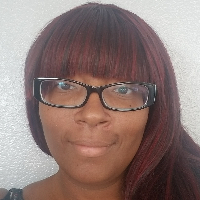
Fantanesh Dixon
LCSW
Nevada 6 years in practice
LCSW - Anxiety and Depression
- Stress, Anxiety
- Depression
Therapists who list CBT
42 therapists licensed in Nevada list CBT among their approaches. Each profile shows the license and NPI as listed. Sessions are online.
If you are looking for online therapy in Nevada, this page connects you with licensed clinicians who provide virtual services across the state. All therapists listed here are licensed in Nevada; browse profiles to compare approaches, specialties, credentials and languages.
LCSW
Nevada 6 years in practice
LCSW - Anxiety and Depression
LCPC, LMHC
Nevada 20 years in practice
LCPC LMHC - Anxiety and Relationship Concerns
LCPC
Nevada 5 years in practice
LCPC counselor - anxiety and mood concerns
Nevada 12 years in practice
LCPC in Nevada - mood and anxiety focus
LMFT
Nevada 25 years in practice
LMFT - Relationships and Mood
LCPC, LCMHC
Nevada 38 years in practice
Licensed counselor - relationships and anxiety
Nevada 11 years in practice
LCSW - Mood and relationship concerns
NV Psychologist
Nevada 17 years in practice English, Hebrew
Dr. Gali Yahav - Nevada psychologist, trauma and anxiety
LCPC, LPC
Nevada 12 years in practice
Nevada LCPC and Oregon LPC - Stress and LGBT concerns
Nevada 10 years in practice
Licensed LMFT - Relationships and Mood
LMFT
Nevada 15 years in practice
LMFT in Nevada - Relationships and Mood
LMFT
Nevada 22 years in practice
LMFT focused on stress and relationships
LMFT
Nevada 21 years in practice
LMFT in Nevada - Anxiety and Trauma
LCSW
Nevada 7 years in practice
LCSW - LGBT issues and trauma
LCSW
Nevada 17 years in practice
LCSW - Anxiety and Stress
LISW, LIMHP
Nevada 13 years in practice
Licensed social worker - Addictions and mood concerns
LCPC, LPC
Nevada 19 years in practice
Licensed counselor - anxiety and trauma
LCPC, LPCC
Nevada 18 years in practice
Dr. Michelle Tatum LCPC LPCC - CBT for stress and relationships
LCPC
Nevada 8 years in practice
LCPC in Nevada - Anxiety and Depression
LMFT
Nevada 40 years in practice
Licensed Marriage and Family Therapist - Addictions and Relationships
LCSW
Nevada 4 years in practice
LCSW - Anxiety and addiction focus
LCPC, LMHC
Nevada 30 years in practice
LCPC and LMHC - grief and anxiety
LMFT
Nevada 10 years in practice
LMFT - Family and anxiety work
LCSW
Nevada 3 years in practice
LCSW - Stress and Relationship Concerns
LCPC, LMHC
Nevada 12 years in practice
Licensed counselor - relationships and mood
LCPC
Nevada 18 years in practice
LCPC in Nevada - Stress and Anxiety
LMFT
Nevada 17 years in practice
LMFT in Nevada - Stress and Relationship Concerns
LMHC, LCPC
Nevada 20 years in practice
LMHC LCPC - Stress and Anxiety
LCPC
Nevada 7 years in practice
LCPC in Nevada - Stress and Anxiety
LCPC
Nevada 10 years in practice
LCPC counselor - anxiety and relationships
LCSW
Nevada 3 years in practice
Licensed Clinical Social Worker - Anxiety and Depression
LCPC, LPC
Nevada 11 years in practice
LCPC, LPC - Parenting and mood concerns
LMFT
Nevada 9 years in practice
Licensed Marriage and Family Therapist - Relationships and Addictions
LCPC
Nevada 10 years in practice
Licensed Clinical Professional Counselor - Addiction and Relationships
LCSW
Nevada 7 years in practice
LCSW in Nevada - anxiety and relationship concerns
LCPC, LPC
Nevada 20 years in practice
Licensed counselor - stress and relationships
LCSW
Nevada 5 years in practice
LCSW - Stress and anxiety support
Nevada 7 years in practice
Licensed Clinical Social Worker - Mood and stress concerns
LCSW, LICSW
Nevada 3 years in practice
Licensed Clinical Social Worker - trauma and anxiety
Nevada 15 years in practice
LMFT - anxiety and relationship concerns
LCSW
Nevada 30 years in practice
LCSW in Nevada - stress and relationship concerns
LCPC, LPC
Nevada 26 years in practice
LCPC and LPC - Stress and Anxiety
Some links on this page are partner links. We will earn a commission if you sign up through one, at no cost to you. It does not change what you pay or the order of the listings.
Online therapy in Nevada has become a common option for people seeking talk therapy and behavioral health support without traveling to an office. You can work with clinicians who live and practice in Nevada as well as those who list Nevada licensure among their credentials. Regulations require that clinicians practicing with residents of Nevada hold the appropriate Nevada license, and many therapists list the areas and approaches they focus on in their profiles. When you search for a practitioner you will typically see a combination of licensing credentials, clinical focus areas and the therapeutic approaches a clinician mentions. Profiles on this site present that information so you can learn which clinicians discuss topics relevant to your needs and which approaches they offer.
Because online therapy can cross geographic boundaries, one practical point to keep in mind is that the clinician needs to be authorized to provide services to people located in Nevada at the time of the session. That authorization is reflected in licensure records and in a clinician's stated practice location. If you live in Nevada and prefer to work with someone familiar with state resources, laws and community supports, selecting a therapist who lists Nevada licensure and local experience can be helpful. Profiles also often include the languages the therapist speaks and populations they commonly work with, which can make it easier for you to find a good match.
Online therapy offers practical advantages that may fit your lifestyle and needs. For many people in Nevada, teletherapy reduces commute time and makes it easier to schedule sessions around work, school and family obligations. If you live in a rural area of the state or far from major population centers, virtual sessions can provide access to clinicians who specialize in particular concerns without the need for travel. That can broaden your options for finding someone with relevant experience and shared cultural understanding.
Online therapy can also make it simpler to maintain continuity of care when your schedule or location changes. You can often arrange sessions from a workplace break, a home office or another place where you can focus. Technology can support a range of formats - from video conversations to phone sessions - allowing you to choose the medium that feels most comfortable for your needs. Many therapists who list mindfulness, cognitive-behavioral approaches or trauma-focused modalities among their approaches adapt their work to online formats, so you can pursue evidence-informed methods remotely. When you are considering online therapy, think about how a virtual format fits your daily routine, your need for privacy, and the type of interaction that helps you engage most effectively.
Online therapists in Nevada work with a wide range of concerns that people commonly bring to therapy. You can find clinicians who list experience addressing mood concerns like depression and anxiety, stress management, relationship and family dynamics, parenting challenges and grief. Many also list work with life transitions - such as career changes, relocation or adjusting to new family roles - and with behavioral patterns that affect daily functioning. When profiles mention specific approaches, they generally indicate that a clinician uses methods such as cognitive-behavioral strategies, mindfulness-based practices, trauma-informed work or other psychotherapeutic orientations. It is important to note that a clinician listing an approach does not imply a particular certification in that method; it simply indicates that the approach is part of their practice.
If you are managing longer-term or complex mental health concerns, online therapy can be part of a broader care plan that includes coordination with medical providers when needed. Many people also seek online therapy for performance coaching, stress reduction, coping with chronic illness or the emotional impacts of caregiving. When you read therapist profiles, pay attention to the population focus and specialties they list, such as work with adolescents, couples, veterans or multicultural issues, so you can identify clinicians whose stated experience aligns with your situation.
Checking a therapist's license status is an important step when you are choosing online care. Start by looking for the license number and issuing board on the clinician's profile. Most profiles list the professional credential such as psychologist, clinical social worker or professional counselor along with the state where the license was issued. With that information you can use Nevada's official online license lookup tools or contact the relevant state licensing board to confirm the license is active, to view the license type and to see whether there are any public disciplinary actions.
After you find the license number, go to the Nevada state licensing website for behavioral health professions and enter the clinician's name or license number into the license search. The lookup will typically show the license status, expiration date and the scope of practice authorized under that license. If you do not find a match you can contact the appropriate Nevada board by phone or email and ask for assistance. Boards can also advise about license classifications and what each allows a clinician to do. When you check licensure, confirm that the license covers practice with clients located in Nevada, since teletherapy practice rules require clinicians to be licensed in the state where the client is located during the session.
When you are ready to begin, use profiles to narrow your options by approach, focus area, credentials and language. Consider whether you prefer a therapist who lists cognitive-behavioral approaches, therapists who list EMDR among their approaches, or clinicians who emphasize relational or systemic work. Look at the populations and issues they commonly describe. This will help you identify therapists whose stated focus matches your goals. Reach out to ask practical questions about session format, average session length, fee structure and whether they work with the population you represent. You can also ask about the technologies they use for video sessions and whether those platforms use encryption to protect communications.
Before your first appointment, think about the goals you want to address and any questions you have about the therapist's approach. Prepare basic information such as your contact details, any insurance or billing questions and a list of medications or other treatments you are receiving if relevant to the conversation. Choose a quiet space where you can speak without interruptions and where you feel comfortable. During the initial session you can expect to talk about what brought you to therapy, your short and long-term goals and how the therapist typically structures sessions. It is appropriate to ask the clinician how they measure progress and what a typical course of work looks like for someone with concerns like yours.
Choosing the right therapist often involves gathering information and assessing fit. Pay attention to whether a therapist's communication style, therapeutic orientation and population focus align with your needs. Language and cultural understanding can matter a great deal, so give extra weight to clinicians who list experience with the culture, community or identity groups that are important to you. By verifying licensure, reviewing profiles and preparing thoughtful questions, you can make an informed decision about who to reach out to and how to begin the process of remote care in Nevada.