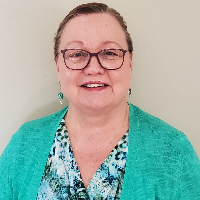
Wayne Castro
LCMHC
New Hampshire 45 years in practice
LCMHC in New Hampshire - Stress and Anxiety
- Stress, Anxiety
- Trauma and abuse
- Depression
Therapists who list CBT
26 therapists licensed in New Hampshire list CBT among their approaches. Each profile shows the license and NPI as listed. Sessions are online.
Welcome to our directory of online therapists serving New Hampshire. All therapists listed on this page are licensed to practice in New Hampshire - explore profiles to learn about their approaches, credentials, languages and areas of focus.
LCMHC
New Hampshire 45 years in practice
LCMHC in New Hampshire - Stress and Anxiety
LPC, LCMHC
New Hampshire 7 years in practice
Licensed counselor - trauma and mood concerns
LMHC, LCMHC
New Hampshire 30 years in practice
Licensed counselor - anxiety and addictions
LPC, LCMHC
New Hampshire 10 years in practice
Licensed counselor - anxiety and trauma
LCMHC
New Hampshire 29 years in practice
Licensed counselor - relationships and addiction
LCMHC
New Hampshire 6 years in practice
Licensed counselor - stress and anxiety
LMHC, LCMHC
New Hampshire 19 years in practice
Dr. Susan Murati LMHC LCMHC - Anxiety and Depression
LPC, LCMHC
New Hampshire 9 years in practice
LPC and LCMHC - anxiety and trauma
LCMHC
New Hampshire 14 years in practice
Licensed counselor - Anxiety and Stress
LCMHC
New Hampshire 30 years in practice
LCMHC in New Hampshire - anxiety and trauma
LICSW, LCSW
New Hampshire 15 years in practice
LICSW LCSW - Anxiety and Life Changes
LCMHC, LCPC
New Hampshire 30 years in practice
Licensed counselor - Addictions and life change
LCSW
New Hampshire 18 years in practice
LCSW - Anxiety and Relationship Concerns
LCMHC
New Hampshire 10 years in practice
Licensed counselor - anxiety and parenting
LCMHC, LMHC
New Hampshire 13 years in practice
Licensed counselor - Anxiety and trauma
LCSW
New Hampshire 13 years in practice
LCSW - Anxiety and Life Transitions
LCSW, LICSW
New Hampshire 10 years in practice
LCSW LICSW - Anxiety and Depression focus
LICSW, LCSW
New Hampshire 6 years in practice
Licensed social worker - family and trauma
LMHC, LCPC
New Hampshire 24 years in practice
Licensed counselor - stress and relationships
LCMHC
New Hampshire 15 years in practice
Licensed counselor - anxiety and relationships
LCSW
New Hampshire 4 years in practice
Licensed Clinical Social Worker - Addictions and Trauma
LCMHC
New Hampshire 38 years in practice
Licensed clinical counselor - relationships and mood
LCSW, LICSW
New Hampshire 20 years in practice
Licensed social worker - anxiety and grief
LMHC, LCMHC
New Hampshire 16 years in practice
LMHC LCMHC - Stress and anxiety
LCSW
New Hampshire 28 years in practice
Licensed Clinical Social Worker - Anxiety and Addictions
LCMHC
New Hampshire 13 years in practice
LCMHC counselor - grief and life changes
Some links on this page are partner links. We will earn a commission if you sign up through one, at no cost to you. It does not change what you pay or the order of the listings.
Online therapy has become a common way for people in New Hampshire to connect with mental health professionals without traveling to an office. Whether you live near the Seacoast, in the Lakes Region, in Manchester or Conway, or in a more rural area of the state, you can often access counseling, coaching-like services and psychotherapy through video, phone and messaging platforms. State licensing rules mean therapists who work with New Hampshire residents are licensed by New Hampshire boards or the Office of Professional Licensure and Certification, so the profiles in this directory list clinicians who hold state licensure. That regulatory framework shapes how services are offered and helps you find practitioners who are authorized to provide care to people located in the state.
An online session usually follows the same structure as an in-person appointment: you and your therapist agree on goals, explore current struggles, and develop coping strategies or behavioral plans. Sessions can vary by format - some therapists offer live video conversations, others supplement with in-between messaging or phone check-ins. When you read profiles, focus on the formats and approaches that match your needs so you can picture how a typical session will feel. If you have mobility limitations, a busy schedule, or live far from a clinician, online delivery can make it easier to maintain continuity of care.
If you live in a rural part of New Hampshire, transportation and limited local options can make it harder to reach a therapist. Online therapy reduces travel time and can broaden the range of clinicians you can consider. You can connect from your home, workplace or another suitable setting, which is especially helpful when weather makes driving risky. The flexibility of electronic appointments often makes it easier to fit care into work or family life.
Many people feel more comfortable talking from a familiar place, and the online format can help you maintain continuity when life circumstances change - for example, if you move within the state or have temporary scheduling constraints. Online therapy can also make it simpler to include family members or partners in sessions when appropriate, because everyone can join from different locations. Additionally, profiles often list the languages practitioners speak and the populations they serve, enabling you to find a clinician who is culturally and linguistically aligned with your needs.
Online therapists frequently work with people managing anxiety, depression, stress, grief and relationship difficulties. You can pursue therapy to address ongoing mood issues, to develop healthier communication patterns with a partner, or to cope with life transitions like divorce, caregiving responsibilities, or retirement. Therapists listed here report a range of approaches they use to support emotional regulation and interpersonal growth, and you can look for those approaches in profiles to match your preferences.
Clinicians who list trauma-informed approaches among their methods often work with individuals processing past traumatic experiences, though you should note that a listing indicates the approach was mentioned, not that a specific credential or certification was verified. Additionally, therapists frequently help with behavioral goals such as improving sleep, addressing substance-related concerns, or modifying patterns of avoidance. Young adults, parents, and older adults find online therapy useful for issues tied to their life stage, and many profiles indicate the age ranges and populations a clinician works with.
Before committing to a longer course of sessions, you can confirm that a therapist holds an active New Hampshire license by using the state licensing lookup provided by the Office of Professional Licensure and Certification or the relevant board. The public database lets you search by name or license number to see license status, expiration dates and whether there are any disciplinary actions on record. These records are maintained by state regulators and provide factual information about a clinician's licensure history.
When you review a license record, check for the license type that corresponds to the service you want - for example, licensed clinical social worker, licensed mental health counselor or psychologist. Look at the issue and expiration dates and note any restrictions or formal actions listed by the board. Licensing records will not tell you how a therapist practices day to day, but they will confirm that the person is legally authorized to provide mental health services to residents of New Hampshire. If you have questions about an entry in the public record, state boards can usually explain what the findings mean.
When you are ready to contact a therapist, review profiles to learn about their stated approaches, focus areas and any languages they offer. Prepare a brief summary of your current concerns and what you hope to accomplish in therapy. Sharing those priorities in an initial message or intake form helps the clinician understand whether their experience aligns with your goals. You should also ask about the session format they use - video, phone or messaging - and any technical requirements so you can be ready on the first appointment.
Choosing a therapist is a personal decision that often depends on fit more than labels. Read about the theoretical approaches a clinician lists and think about what resonates with you - for example, skills-based methods, psychodynamic perspectives, or trauma-informed modalities. Profiles often include the clinician's professional credential, the populations they work with, and languages spoken. If a therapist notes a particular approach such as EMDR among their approaches, remember that this indicates they list it as part of their practice rather than confirming specialized certification. Balance your interest in particular methods with the clinician's experience working with issues similar to yours.
Before you begin, understand fee structures and whether sessions may be covered by insurance or reimbursed under a health plan. Ask how payments are handled and whether the therapist provides a receipt you can submit to your insurer. Online therapy also involves digital tools, so inquire about the platform used for sessions and how your information will be handled. Look for clinicians who describe their privacy practices, data handling and whether they provide a written agreement outlining session length, cancellation policies and how emergencies are managed. Clarifying these details ahead of time helps you focus on clinical work once sessions begin.
It is normal to try a few sessions to determine whether a therapist is a good match for your needs. If you feel the collaboration is not a fit, you can reflect on what aspects are missing - therapeutic style, communication, or specific experience - and look for clinicians who mention those priorities in their profiles. You may also find value in asking a therapist for referrals to others who work with the issues you are facing or the population you belong to. Over time, being intentional about what matters most to you will make it easier to find a therapeutic relationship that supports your goals.
Online therapy in New Hampshire offers a flexible route to care when you want to connect with licensed professionals who describe the approaches and populations they work with. Use state license lookup tools to confirm licensure, review practitioner profiles for fit, and prepare practical questions about format, costs and privacy before you start. Thoughtful choices at the outset can help you find an online therapist whose methods and experience align with what you need.