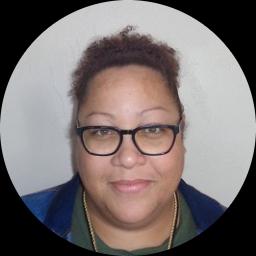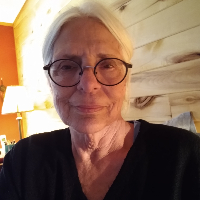
Mark Silla
LPCC
New Mexico 17 years in practice
LPCC in New Mexico - Stress and Anxiety
- Stress, Anxiety
- Addictions
- Relationship
Therapists who list CBT
51 therapists licensed in New Mexico list CBT among their approaches. Each profile shows the license and NPI as listed. Sessions are online.
Welcome to our directory of online therapists serving New Mexico. All therapists listed here are licensed in New Mexico and provide services by video or phone. Explore profiles to compare approaches, credentials, languages, and areas of focus to find a clinician who matches your needs.
LPCC
New Mexico 17 years in practice
LPCC in New Mexico - Stress and Anxiety
LPCC
New Mexico 18 years in practice
LPCC in New Mexico - Stress and Addictions
LCSW
New Mexico 10 years in practice
LCSW - Stress and life changes
LCSW
New Mexico 16 years in practice
LCSW - Stress and trauma care
LCSW
New Mexico 25 years in practice
LCSW - Stress and anxiety support
LPCC
New Mexico 39 years in practice
LPCC New Mexico - Stress and Relationships
LCSW
New Mexico 16 years in practice English, Spanish
LCSW - Anxiety and Relationship Concerns
LPCC, LPC
New Mexico 10 years in practice
LPCC LPC - Anxiety and Trauma
LCPC, LPCC
New Mexico 20 years in practice
LCPC and LPCC - Stress and trauma
LCSW
New Mexico 20 years in practice
LCSW in New Mexico - Mood and anxiety work
LCSW
New Mexico 8 years in practice
Licensed Clinical Social Worker - Anxiety and Addictions
LCSW
New Mexico 10 years in practice
LCSW in New Mexico - Parenting and Anxiety
LCSW
New Mexico 9 years in practice English, Spanish
LCSW - Stress and Trauma focus
LPCC
New Mexico 30 years in practice
LPCC in New Mexico - Stress and Relationship Concerns
LCSW
New Mexico 7 years in practice
LCSW - Stress and relationship concerns
LPC, LPCC
New Mexico 12 years in practice
Licensed counselor - trauma and anxiety
LMSW, LCSW
New Mexico 32 years in practice
LCSW in New Mexico - Stress and trauma focus
LCSW
New Mexico 9 years in practice
LCSW - Relationships and Life Changes
LCSW
New Mexico 14 years in practice
LCSW - Anxiety and life changes
LCSW
New Mexico 35 years in practice
LCSW in New Mexico - Addictions and Anxiety
LPCC
New Mexico 20 years in practice
LPCC in New Mexico - Anxiety and Trauma
LCSW
New Mexico 7 years in practice
LCSW - Stress and Anxiety support
LPCC
New Mexico 9 years in practice
LPCC in New Mexico - Stress and Anxiety
LCSW
New Mexico 4 years in practice English, Spanish
LCSW - Stress and Trauma support
LCSW
New Mexico 8 years in practice
LCSW - Anxiety and Trauma support
LICSW, LCSW
New Mexico 30 years in practice
LICSW LCSW - Relationships and Trauma
LCSW
New Mexico 14 years in practice
Licensed Clinical Social Worker - Anxiety and Addiction
LICSW, LCSW
New Mexico 10 years in practice
LICSW in New Mexico - Anxiety and Trauma support
LCSW
New Mexico 4 years in practice
LCSW in New Mexico - Anxiety and Addictions
LPC, LPCC
New Mexico 8 years in practice
LPC and LPCC - Anxiety and Depression
LCSW
New Mexico 14 years in practice
LCSW - Stress and relationship concerns
LCSW
New Mexico 5 years in practice
LCSW - Mood and trauma focused
New Mexico 10 years in practice English, Spanish
LCSW - Family and mood concerns
LCSW
New Mexico 12 years in practice
LCSW in New Mexico - stress and anxiety
LCSW
New Mexico 14 years in practice
LCSW in New Mexico - Stress and Trauma care
New Mexico 16 years in practice
LPCC counselor - stress and anxiety
LPCC, LPC
New Mexico 25 years in practice
LPCC LPC - Anxiety and Trauma
LPCC
New Mexico 25 years in practice
Licensed counselor - Stress and anxiety
LPCC
New Mexico 11 years in practice
LPCC in New Mexico - Anxiety and Addiction
LPCC
New Mexico 13 years in practice
LPCC counselor - Anxiety and life changes
LPCC, LMHP
New Mexico 10 years in practice
LPCC LMHP - Anxiety and Trauma focused
LCSW
New Mexico 7 years in practice
LCSW in New Mexico - Stress and Parenting
LPCC, LPC
New Mexico 13 years in practice
Licensed counselor - Anxiety and parenting
LCSW
New Mexico 4 years in practice
Prof. Craig Hutton, LCSW - Stress and Relationship Support
LCSW
New Mexico 13 years in practice
LCSW - Anxiety and Relationship concerns
LPC, LMHC
New Mexico 10 years in practice
LPC LMHC - Anxiety and Relationship Concerns
LICSW, LCSW
New Mexico 20 years in practice
LICSW LCSW - Trauma and relationship concerns
LPC, LCMHC
New Mexico 40 years in practice
LPC LCMHC - Anxiety and Relationship concerns
Some links on this page are partner links. We will earn a commission if you sign up through one, at no cost to you. It does not change what you pay or the order of the listings.
Online therapy has become a common option for people across New Mexico who want counseling without traveling to an office. Many licensed clinicians now offer sessions by video or phone, which can be particularly helpful in a state with large rural areas and long travel distances. Regulations and licensing rules shape where and how therapists may provide care, so clinicians who list online services typically identify the formats they offer, the credentials they hold, and the populations they work with. As you explore profiles, you will see a range of professional credentials listed, such as licensed clinical social workers, licensed professional counselors, and licensed psychologists, along with the therapeutic approaches those clinicians list among their approaches.
Because rules can vary, you may encounter therapists who work with adults, adolescents, families, or couples and who note additional specialties like trauma-informed care, grief support, or chronic illness adjustment. Profiles often include languages spoken and cultural background information, which can help you find a clinician whose perspective fits your needs. Online options are not a single model - some therapists prefer brief, skills-focused sessions while others emphasize longer-term exploration - so reading profiles and introductory material will help you identify likely matches before you reach out.
You may find that online therapy offers practical benefits that fit your life in New Mexico. If you live in a rural community, driving long distances to an appointment can be a barrier; video or phone sessions let you connect from home or another convenient location. Online sessions can also reduce the time you spend commuting and make it easier to schedule therapy around work, school, or family responsibilities. The flexibility of remote sessions often helps people maintain continuity of care during life transitions, such as moving, caregiving changes, or job shifts.
Online therapy can expand the pool of clinicians who speak your language or have experience with a particular cultural community. You may have more choices when you are seeking someone who understands intersectional identities, indigenous perspectives, or bilingual counseling. Many people also appreciate being able to attend sessions from a comfortable setting. When you plan for a session, try to arrange a quiet space where you can speak openly, and make sure your device, internet connection, and microphone are ready before your appointment.
Therapists offering online services in New Mexico work with a wide range of concerns. You can find clinicians who focus on mood concerns such as anxiety and depression, relationship difficulties including couples or family tensions, grief and loss, trauma recovery, and stress related to work or caregiving. There are also therapists who work with adjustment to chronic health conditions, parenting challenges, life transitions like divorce or relocation, and identity exploration related to gender or sexuality. In addition, some clinicians list experience supporting people managing substance-related challenges and co-occurring issues.
When browsing profiles, you will often see the therapeutic approaches clinicians list among their approaches. For example, some therapists list cognitive behavioral therapy - commonly abbreviated CBT - as an approach they use, while others list mindfulness-based strategies, narrative approaches, or therapists who list EMDR among their approaches. These descriptions are a starting point to understand how a clinician frames their work. If you have a specific concern or goal, look for therapists who mention that focus in their profile and who describe the populations they work with, such as adolescents, veterans, older adults, or parents.
Verifying a clinician's license is an important step before you begin working together. You can start by locating the full name and any license number listed on a clinician's profile. The New Mexico Regulation and Licensing Department maintains public license verification resources where you can confirm a therapist's license type, status, and expiration date. Use the state licensing search to check whether the license is active, whether the practitioner holds the specialty designation you expect, and whether any disciplinary actions or restrictions are listed.
When you review licensing information, pay attention to the exact license title, for example psychologist, licensed professional counselor, or social work license, and note any limitations or supervisory requirements. If a clinician practices under a different legal name, you may need to search using alternate name spellings. If something in the public record concerns you, contact the licensing board for clarification. You can also ask a prospective therapist directly for their license number and details about the board that issued it. Asking these questions transparently is a common part of getting started and shows professional responsibility.
Getting started usually begins with reading profiles and contacting clinicians whose descriptions resonate with you. When you reach out, consider asking for a brief phone or video conversation to discuss approach, typical session length, fee structure, and whether the therapist has experience with your primary concerns. Ask about practical matters such as accepted payment methods, whether they work with your insurance plan, and what to expect in an initial session. You should also ask how the clinician handles urgent concerns or crises that may arise between sessions so you understand the plan for emergency situations.
Choosing the right therapist often involves considering fit as much as credentials. Think about the therapeutic approaches you prefer - for example therapists who list CBT among their approaches if you want skills-based work, or therapists who list relational approaches if you want to focus on interpersonal patterns. Consider whether you would prefer a clinician who emphasizes short-term problem solving or someone who invites longer-term exploration. Cultural competence and language match matter to many people, so look for clinicians who note work with particular communities or who list the languages they speak.
Practical tips as you decide include reviewing multiple profiles to get a sense of how clinicians describe their work, preparing a short list of questions to ask during an introductory conversation, and reflecting on how you felt during any initial exchange. Trust your sense of whether the clinician listened and responded in a way that felt respectful and clear. If the first match does not feel right, you can continue exploring other profiles until you identify a clinician whose approach, communication style, and logistics align with your needs. Taking these steps can help you begin therapy with more confidence and clarity about what to expect.
Online therapy can be a practical and accessible way to find professional support while living in New Mexico. By reviewing profiles, verifying licenses, and asking focused questions about approach and logistics, you can make an informed decision about which clinician may be the best fit for your goals. Use the directory listings to compare credentials, approaches, languages, and focus areas, and take the time to prepare for your first session so you get the most from your work together.