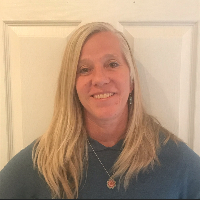
Dr. Ryan Bair
LCSW
Oregon 15 years in practice
Dr. Ryan Bair LCSW - Anxiety and Mood Concerns
- Stress, Anxiety
- Trauma and abuse
- Grief
Therapists who list CBT
66 therapists licensed in Oregon list CBT among their approaches. Each profile shows the license and NPI as listed. Sessions are online.
Welcome to our directory of online therapists serving Oregon. All therapists listed are licensed in Oregon; explore profiles to review approaches, credentials, languages and experience.
LCSW
Oregon 15 years in practice
Dr. Ryan Bair LCSW - Anxiety and Mood Concerns
LCSW
Oregon 10 years in practice
Licensed Clinical Social Worker - Stress and Anxiety
Oregon 15 years in practice
Licensed LPC counselor - anxiety and addictions
LPC, LCPC
Oregon 17 years in practice
Licensed Professional Counselor - Stress and Anxiety
Oregon 17 years in practice
LMFT - anxiety and trauma
LCSW, LICSW
Oregon 17 years in practice
LCSW in Oregon - anxiety and trauma
LMFT
Oregon 10 years in practice
LMFT in Oregon - anxiety and relationship concerns
LPC
Oregon 12 years in practice
Licensed Professional Counselor - Anxiety and Mood
Oregon 6 years in practice
Licensed Professional Counselor - Stress and Trauma
LCSW
Oregon 5 years in practice
LCSW - Anxiety and trauma support
LCSW
Oregon 28 years in practice
LCSW in Oregon - anxiety and relationships
Oregon 10 years in practice
LMFT in Oregon - Stress and Relationship Concerns
Oregon 24 years in practice
LCSW in Oregon - Stress and career support
LCSW
Oregon 10 years in practice
LCSW focused on relationships and practical strategies
LCSW
Oregon 10 years in practice
LCSW - Parenting and mood concerns
Oregon 13 years in practice
LCSW - Stress and relationship work
LCSW
Oregon 4 years in practice
LCSW - Anxiety and life changes
LPC
Oregon 11 years in practice
LPC focused on CBT and trauma-informed care
LPC, LMHC
Oregon 10 years in practice
Licensed counselor - grief and life changes
LCSW
Oregon 26 years in practice
LCSW - Anxiety and Relationship work
LCSW
Oregon 13 years in practice
Licensed Clinical Social Worker - Anxiety and Mood
LPC
Oregon 15 years in practice
LPC in Oregon - anxiety and relationship care
LPC
Oregon 7 years in practice
Licensed Professional Counselor - Anxiety and Addictions
LCSW
Oregon 22 years in practice
LCSW - Practical CBT and solution-focused work
OR Psychologist
Oregon 7 years in practice
Dr. Jared Gorfinkel - Oregon psychologist, mood and relationship work
LCSW
Oregon 20 years in practice
Oregon LCSW - depression and anxiety
LPC
Oregon 14 years in practice
Licensed counselor - anxiety and relationships
Oregon 33 years in practice
LCSW working with anxiety and stress
LMFT
Oregon 21 years in practice
LMFT - Relationships and Family concerns
LICSW, LCSW
Oregon 10 years in practice
Licensed Clinical Social Worker - Stress and Anxiety
LCSW, LICSW
Oregon 20 years in practice
LCSW in Oregon - Stress and Addictions
LPC, LMFT
Oregon 11 years in practice
Licensed counselor and marriage therapist - Anxiety and relationships
LMFT
Oregon 24 years in practice
LMFT in Oregon - Relationship and mood concerns
LPC, LCPC
Oregon 6 years in practice
LPC, LCPC - Stress and anxiety support
LPC, LMHC
Oregon 21 years in practice
LPC, LMHC - relationships and life transitions
LCSW
Oregon 22 years in practice
LCSW in Oregon - grief and aging support
LCSW
Oregon 24 years in practice
Oregon LCSW - Anxiety and Relationship Concerns
LPC
Oregon 22 years in practice
Licensed Professional Counselor - Addictions and Relationships
LPC
Oregon 10 years in practice
Licensed Professional Counselor - Mood and Trauma
LCSW
Oregon 20 years in practice
Licensed Clinical Social Worker - Anxiety and Trauma
Oregon 30 years in practice
LCSW - Relationships and trauma
LCSW
Oregon 8 years in practice
LCSW - Parenting and Mood Concerns
LPC
Oregon 4 years in practice
LPC in Oregon - Anxiety and Addictions
LCSW
Oregon 17 years in practice
LCSW - Stress and mood concerns
LPC
Oregon 14 years in practice
Licensed Professional Counselor - Stress and Anxiety
OR Psychologist
Oregon 44 years in practice
Dr. Rebecca Miller-Moe, OR Psychologist - Stress and relationships
LCSW
Oregon 24 years in practice
LCSW - Relationships and Mood Concerns
LCSW, CSW
Oregon 4 years in practice
Licensed Clinical Social Worker - Stress and Trauma
Some links on this page are partner links. We will earn a commission if you sign up through one, at no cost to you. It does not change what you pay or the order of the listings.
If you are exploring remote therapy options in Oregon, you will find a range of clinicians offering virtual sessions across urban and rural communities. Rules that govern who can practice and how telehealth is delivered are determined by state licensing boards and relevant state policies. In practice this means many clinicians who work with Oregon residents hold an Oregon license and follow the telehealth guidance published by the state. Technology has expanded the geographic reach of services, allowing you to work with professionals who list particular approaches or who specialize in working with specific populations without the need to travel long distances.
When you search for a therapist you will see differences in how clinicians describe their services. Some profiles emphasize therapeutic approaches and populations served, while others highlight language skills, cultural background or experience with life changes. Because laws and board rules can change, it is useful to look for each clinician's listed license type and to review state board resources for up-to-date information about practice guidelines in Oregon.
Online therapy can offer practical advantages that make care more accessible and comfortable. For people in remote or rural areas, virtual sessions reduce travel time and expand the pool of clinicians who match your needs. If your schedule is busy with work, school or caregiving responsibilities, remote sessions can provide flexibility so you can fit therapy into your day without lengthy commutes. You may also find therapists who list specific modalities or populations that align with your situation even if there are fewer in your immediate area.
Beyond logistics, remote therapy can help maintain continuity during life transitions such as moving within the state or changing jobs. You can choose clinicians who communicate in the language you prefer or who have experience working with cultural backgrounds similar to yours. At the same time, online therapy depends on reliable internet access and a device with audio and video capabilities, and it requires that you choose a personal environment that supports focus and privacy for sessions. Reflecting on these practical considerations will help you decide whether online therapy fits your needs.
Online therapists in Oregon work with a wide range of concerns that people bring to therapy. You will find clinicians who list approaches for managing anxiety, depression and stress, and others who focus on relationship issues, family dynamics and parenting challenges. Some clinicians describe experience helping people cope with grief, life transitions, workplace stress and adjustments after medical diagnoses. Therapists who list trauma-focused approaches often work with survivors of past harm and with those carrying difficult memories, while others emphasize support for substance use concerns or obsessive-compulsive patterns.
Because clinicians present their specialties and methods differently, you can review profiles to identify those who list work with the issues most relevant to you. Many therapists describe the kinds of life stages and identities they commonly support, such as young adults, parents, older adults or members of specific cultural communities. If you have complex needs or are experiencing a crisis with immediate risk, online therapy may be one part of a broader safety plan that involves in-person services or local emergency resources. It can be helpful to ask about how a therapist coordinates with other care providers when needed.
Before beginning work with a clinician, verifying their license is a practical step that gives you clearer information about their professional standing. Oregon maintains online resources through state licensing boards where you can search by a clinician's name or license number. These directories typically show license type, issuance and expiration dates, and any public disciplinary actions. If you do not find a listing or if information is unclear, you may contact the appropriate board directly for clarification.
When you look at licensing records, pay attention to the license classification that matches the services you expect - for example, counselor, social worker, psychologist or marriage and family therapist - and confirm that the license is active. Records can also indicate whether there are any formal restrictions or public actions that you should be aware of. If a clinician lists telehealth as part of their practice, you can also ask how they comply with Oregon telehealth guidance and how they handle technical and logistical questions related to remote sessions. Verifying a license is straightforward and helps you make an informed choice about who to work with.
Starting with online therapy involves a few simple steps that can help you find a clinician who matches your goals and preferences. Begin by reviewing profiles to learn about clinicians' listed approaches, the populations they describe working with, languages offered and their stated experience. Look for clear information about session format, typical session length and the payment arrangements they describe, including whether they list insurance, sliding scale options or out-of-pocket fees. These details give you a sense of practical match before you reach out.
When you contact a therapist or read their profile, consider asking about the approaches they list and how they typically work with someone who has concerns like yours. You might request examples of what a first few sessions focus on, how progress is reviewed and what kinds of homework or between-session work, if any, are commonly used. Pay attention to how comfortable you feel with their explanations and whether their style aligns with the level of directive guidance or collaborative exploration you prefer. Cultural competency, shared language, and experience with particular life circumstances may also influence fit, so prioritize what matters most to you.
Practical questions about technology are important too. Find out what platform the clinician uses for sessions, what equipment you will need, and what steps they recommend if a connection drops or technical problems arise. Consider where you will sit during sessions so you can focus and maintain a personal environment that supports your privacy and concentration. If you use health insurance, verify whether the therapist lists participation with your plan and whether you need preauthorization for mental health services.
Finally, give yourself permission to evaluate fit over a few sessions. Therapy is a working relationship and it is normal for the fit to become clearer as you start. You can pay attention to whether you feel heard, whether the clinician's approach helps you progress toward the goals you set, and whether logistical arrangements like session length and communication channels meet your needs. If something does not feel right, you can look for another clinician whose profile and approach are a better match for your preferences and circumstances. Taking a thoughtful approach up front and using the profile details available to you will increase the chances of finding a clinician who complements your path forward.
Choosing an online therapist in Oregon involves balancing practical logistics with the professional and personal qualities that matter to you. Use state licensing resources to confirm credentials, review clinician profiles to understand approaches and population focus, and consider the technology and environment that will make remote sessions work for your life. With careful review and attention to fit, you can find a clinician who aligns with your goals and supports the progress you want to make.