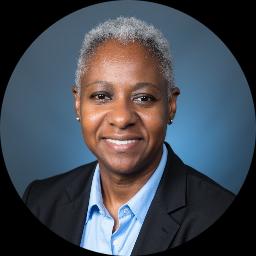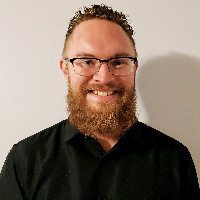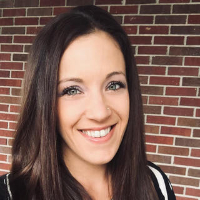
Todd Gomez
LCSW, LISW
South Carolina 20 years in practice
LCSW LISW - Anxiety and Relationship Support
- Stress, Anxiety
- LGBT
- Relationship
Therapists who list CBT
181 therapists licensed in South Carolina list CBT among their approaches. Each profile shows the license and NPI as listed. Sessions are online.
Welcome to the South Carolina online therapist directory. All therapists listed here are licensed in South Carolina; explore profiles to compare approaches, credentials, languages, and experience.
LCSW, LISW
South Carolina 20 years in practice
LCSW LISW - Anxiety and Relationship Support
LPC
South Carolina 20 years in practice
Licensed Professional Counselor - Stress and Trauma
LCSW, LISW-CP
South Carolina 12 years in practice
LCSW and LISW-CP - Stress and trauma focus
LPC
South Carolina 8 years in practice
Licensed LPC - Stress and Anxiety
South Carolina 8 years in practice
South Carolina LPC - Anxiety and Trauma
LPC
South Carolina 8 years in practice
Licensed Professional Counselor - Stress and Anxiety
LPC
South Carolina 28 years in practice
Beverly Bennett, LPC - Stress and relationship concerns
LMFT
South Carolina 10 years in practice
LMFT - Stress and Relationship Concerns
LPC, LMHC
South Carolina 27 years in practice
LPC LMHC - Anxiety and Stress
LPC
South Carolina 8 years in practice
Licensed Professional Counselor - Anxiety and Trauma
LPC
South Carolina 15 years in practice
Licensed Professional Counselor - Anxiety and Addictions
South Carolina 9 years in practice
Licensed Professional Counselor - Anxiety and Stress
LMFT
South Carolina 16 years in practice
LMFT - Stress and relationship concerns
LPC
South Carolina 5 years in practice
LPC in South Carolina - Relationships and Trauma
LPC
South Carolina 10 years in practice
Licensed Professional Counselor - Anxiety and Addictions
South Carolina 7 years in practice
Licensed Professional Counselor - Stress and Anxiety
LPC
South Carolina 15 years in practice
Licensed Professional Counselor - Stress and Identity
LISW-CP
South Carolina 4 years in practice
Licensed social worker - Anxiety and relationships
LPC
South Carolina 6 years in practice
LPC in South Carolina - Anxiety and Mood
LISW
South Carolina 20 years in practice
LISW - Anxiety and trauma care
South Carolina 3 years in practice
Licensed counselor - Anxiety and life changes
LISW
South Carolina 20 years in practice
LISW - Stress and Eating concerns
South Carolina 6 years in practice
Licensed Professional Counselor - Anxiety and Trauma
LPC, LCMHC
South Carolina 21 years in practice
Licensed counselor - relationships and mood
South Carolina 11 years in practice
Licensed Professional Counselor - Anxiety and Depression
LPC
South Carolina 32 years in practice
Licensed Professional Counselor - Anxiety and Trauma
LPC
South Carolina 25 years in practice
Licensed Professional Counselor - Anxiety and Trauma
LPC
South Carolina 10 years in practice
Licensed Professional Counselor - Stress and Addiction
LPC
South Carolina 15 years in practice
LPC counselor - anxiety and career concerns
South Carolina 9 years in practice
Licensed Professional Counselor - Trauma and Anxiety
LPC
South Carolina 17 years in practice
Licensed Professional Counselor - Anxiety and Relationships
South Carolina 21 years in practice
Licensed Professional Counselor - Stress and Addictions
LISW-CP
South Carolina 41 years in practice
LISW-CP in South Carolina - stress and relationships
LPC, LCMHC
South Carolina 3 years in practice
LPC and LCMHC - anxiety and addiction
LMFT
South Carolina 19 years in practice
Licensed LMFT - Stress and Anxiety
LPC, LCMHC
South Carolina 12 years in practice
Licensed counselor - anxiety and addiction
LISW-CP
South Carolina 13 years in practice
LISW-CP focused on anxiety and family concerns
LISW-CP
South Carolina 32 years in practice
LISW-CP in South Carolina - Anxiety and Trauma
LPC
South Carolina 10 years in practice
Licensed Professional Counselor - Anxiety and Mood
LISW-CP, LCSW, CSW
South Carolina 40 years in practice
LISW-CP social worker - mood and life concerns
LPC
South Carolina 5 years in practice
Licensed Professional Counselor - Relationships and Anxiety
South Carolina 9 years in practice
Licensed Professional Counselor - Trauma and Mood concerns
LMFT
South Carolina 20 years in practice
Dr. Lori Malkasian, LMFT - Adolescents and adults
LPC
South Carolina 9 years in practice
Licensed Professional Counselor - Stress and Anxiety
LISW-CP
South Carolina 10 years in practice
LISW-CP clinician - anxiety and grief
South Carolina 15 years in practice
Licensed Professional Counselor - mood and trauma support
South Carolina 35 years in practice
LPC in South Carolina - Stress and relationships
LISW-CP
South Carolina 20 years in practice
LISW-CP in South Carolina - anxiety and trauma
Some links on this page are partner links. We will earn a commission if you sign up through one, at no cost to you. It does not change what you pay or the order of the listings.
Online therapy in South Carolina has become a solid option for people seeking mental health support without the need to travel. You will find therapists who work with South Carolina residents by offering sessions over video, phone, or other remote platforms. Because practice of therapy is regulated by state licensure, therapists who serve people in South Carolina list their licensure credentials and the types of care they provide. When you search profiles you will see a range of professional titles such as licensed professional counselors, licensed clinical social workers, and marriage and family therapists. Each title indicates different education and scope of practice, and the directory makes it easier to review those distinctions so you can choose someone whose background aligns with your needs.
Keep in mind that online therapy is delivered in many formats. Some therapists focus on single-session consultations while others offer a multi-session treatment plan. The platform used for video sessions can vary, and many therapists note which approaches they use in therapy. For example, you may encounter therapists who list CBT, DBT, EMDR, ACT, or mindfulness among their approaches. Seeing these approaches listed can help you find clinicians whose methods resonate with your preferences, while licensure information lets you confirm they are authorized to practice in South Carolina.
Online therapy expands access to mental health care across South Carolina, whether you live in an urban center like Charleston or a rural community in the Lowcountry or the Upstate. You can save commute time and manage scheduling more efficiently because sessions happen from wherever you are located. This can make it easier to attend consistently, which is often an important part of making progress over time. For many people, being able to join a session from home, a workplace breakroom, or a parked car during a busy day reduces logistical barriers to care.
Another benefit is the ability to find therapists who match your needs in terms of specialization, language, or cultural background. If you prefer to work with someone who shares your cultural experience, speaks your language, or lists experience with particular life stages or identities, online listings let you narrow the search without geographic limits. You may also find therapists who emphasize skills-based approaches such as cognitive behavioral therapy or mindfulness-based work, and those who list trauma-informed or family-focused approaches. All of this creates more options so you can select a therapist whose style and experience fit the situation you want to address.
Online therapists work with a wide range of concerns including anxiety, depression, stress related to work or school, relationship challenges, grief, adjustment to life transitions, and trauma-related symptoms. Many people also seek help for parenting challenges, couples communication, or coping strategies for chronic health conditions. When you read profiles you will see the types of issues therapists list as their focus areas, which can help you identify clinicians who describe experience with problems like yours.
To get started, take time to read therapist profiles to note their stated approaches, licensure, and any languages they speak. Reflect on what you hope to achieve in therapy and prepare a few questions to ask during an initial conversation. Typical questions include asking about their general approach to sessions, how they track progress, whether they work with particular concerns you have, and what a typical session length looks like. You can also ask about practical matters such as session fees and payment methods, and whether they are familiar with any paperwork or documentation you may need for work or school. Many therapists provide an introductory call or message exchange to help you learn whether their style is a good match for you.
Verifying a therapist's license is an important step when you are considering online care in South Carolina. Start by noting the license type listed on the profile, such as LPC, LCSW, or LMFT. Use the South Carolina state licensing board's online lookup tool or the state Department of Labor, Licensing and Regulation website to search by name or license number. The public record will typically show whether the license is current, the expiration date, and whether there are any disciplinary actions on file. If you cannot find a record online, you can contact the appropriate board by phone or email to ask how to verify a license.
When you review licensure information pay attention to the jurisdiction. A therapist must be licensed to practice in South Carolina when they are providing services to someone located in the state. If a clinician lists multiple licensure jurisdictions, that information is useful to understand where they are authorized to practice. Also take note of the license level because it often corresponds with the scope of independent practice. If you have questions about how licensure interacts with online care or interstate practice, the licensing board can clarify current regulations and any temporary or emergency provisions that may apply.
Choosing a therapist is a personal decision that blends practical considerations with interpersonal fit. Start with practical filters such as license type, languages spoken, and the issues or populations the therapist lists. Then think about the therapeutic approaches the clinician mentions. If you prefer structured skills work, you might look for therapists who list CBT or DBT among their approaches. If you are interested in processing trauma, look for clinicians who list trauma-informed work or who explicitly state experience addressing traumatic stress. Remember that listings describe what therapists say they use, not a guarantee of specific training, so ask questions during your initial conversation to learn more about how they apply those approaches.
Consider logistics as well. Check session length, fee ranges, and whether the therapist discusses payment options or insurance on their profile. Think about communication style and whether you would prefer a clinician who focuses on active skill building, reflective conversation, or a combination of methods. You may find it helpful to try an initial session or two to see how the interaction feels. After a few sessions you can assess whether the therapist's approach and interpersonal style help you make progress toward your goals. Trust your sense of comfort and clarity about goals as you decide whether to continue working with a particular clinician.
Finally, keep in mind that changing therapists is a normal part of finding the right fit. If your needs evolve, you can revisit profiles to find someone whose specialties and approaches align with where you are now. The directory aims to give you the information needed to begin that search and to make informed decisions about the clinicians you choose to contact.