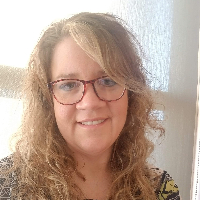
Pamala Topp
LPC
South Dakota 9 years in practice
LPC - Anxiety and Trauma focus
- Stress, Anxiety
- Trauma and abuse
- Anger
Therapists who list CBT
22 therapists licensed in South Dakota list CBT among their approaches. Each profile shows the license and NPI as listed. Sessions are online.
Welcome to our directory for online therapists who serve South Dakota. All therapists listed are licensed to practice in their disciplines - explore profiles to learn about approaches, credentials and areas of focus.
LPC
South Dakota 9 years in practice
LPC - Anxiety and Trauma focus
LPC, LMHP
South Dakota 12 years in practice
Licensed counselor - mood and relationships
LPC, LPC-MH
South Dakota 6 years in practice
Licensed counselor - Addictions and grief
South Dakota 35 years in practice
LPC counselor - relationships and addictions
LCPC, LPC
South Dakota 23 years in practice
LCPC counselor - anxiety and grief
LPC
South Dakota 25 years in practice
Licensed Professional Counselor - Relationships and Trauma
LCPC, LPC
South Dakota 7 years in practice
Licensed counselor - stress and parenting support
LPC-MH, LCPC
South Dakota 11 years in practice
LPC-MH LCPC - anxiety and addictions
LPC
South Dakota 25 years in practice
LPC in South Dakota - Stress and Anxiety
LPC, LPC-MH
South Dakota 20 years in practice
LPC - Depression and relationship issues
CSW-PIP
South Dakota 11 years in practice
Licensed clinical social worker - mood and stress
LMFT
South Dakota 11 years in practice
Licensed therapist - Stress and relationships
LPC-MH
South Dakota 8 years in practice
LPC-MH in South Dakota - Anxiety and Trauma
LPC, LPC-MH, LMHC
South Dakota 9 years in practice
LPC in South Dakota - Anxiety and Addiction
LCSW, CSW-PIP
South Dakota 12 years in practice
Licensed Clinical Social Worker - Stress and relationships
MN Psychologist, SD Psychologist
South Dakota 24 years in practice
Dr. Tracy Williams - Psychologist, Relationship and Parenting
SD Psychologist
South Dakota 27 years in practice
Clinical psychologist - anxiety and depression
LPC-MH, LPC
South Dakota 6 years in practice
Licensed counselor - Stress and relationships
LPC
South Dakota 3 years in practice
Licensed Professional Counselor - LGBT and trauma
CSW-PIP
South Dakota 12 years in practice
Certified Social Worker - Trauma and Anxiety
LCPC, LPC, LPC-MH
South Dakota 17 years in practice
Dr. Paula Ehrmantraut - LCPC, LPC, LPC-MH; Stress and anxiety focus
LPC
South Dakota 14 years in practice
Licensed LPC - Anxiety and Relationships
Some links on this page are partner links. We will earn a commission if you sign up through one, at no cost to you. It does not change what you pay or the order of the listings.
Online therapy in South Dakota has grown into a widely used option for people seeking flexible mental health support. You can expect sessions delivered via video calls, telephone, or text-based messaging, depending on the clinician's tools and your preferences. Many therapists who work with South Dakota residents combine talk-based approaches with skills-focused interventions that translate well to remote care. While technology plays an important role, the core of the work remains the therapeutic relationship - a trained clinician and you collaborating on goals, coping strategies and problem solving. The landscape includes clinicians licensed in a range of professions, including professional counselors, clinical social workers, psychologists and marriage and family therapists. Because licensing and scope of practice differ by profession, the specific services a clinician offers are tied to their listed credentials and the professional rules that apply in South Dakota.
Choosing online therapy can remove barriers that sometimes make in-person care difficult to access. If you live in a rural area or travel frequently across the state, online sessions reduce commute time and allow you to fit therapy into a busy schedule. For people balancing work, family and school responsibilities, the convenience of connecting from home or another comfortable environment can improve consistency and make it easier to attend regularly. Online formats also expand the range of clinicians you can consider, since you are not limited to providers within a short driving distance. That wider pool means you may find a professional whose therapeutic approaches, specialties and language skills better match your needs.
Online therapy supports continuity of care when life circumstances change. If you move within South Dakota, change jobs, or need to be away for a period, maintaining the same clinician is often easier with remote sessions. You can look for therapists who list specific approaches that resonate with you - for example, those who list cognitive behavioral approaches, interpersonal work, trauma-informed methods, or mindfulness-based strategies. Some clinicians will list specialized areas such as working with grief, stress management, or family dynamics. Being able to focus on fit rather than geography can help you build a stronger therapeutic alliance, which is an important predictor of useful outcomes in therapy.
Online therapists in South Dakota commonly work with people across the lifespan on concerns such as anxiety, depression, relationship challenges and life transitions. Many clinicians also support clients coping with trauma, grief, workplace stress, parenting difficulties and chronic health-related stress. If you are managing symptoms that affect daily functioning - trouble sleeping, changes in appetite, concentration problems, or persistent low mood - a therapist can work with you to identify practical strategies and goals. Therapists who list trauma-focused approaches among their methods may incorporate stabilization skills and gradual exposure techniques, while those who list family or couples approaches can work with partners or household members where appropriate. Therapy can also focus on skill building - for example, emotion regulation, communication, problem solving and coping strategies - skills that translate well to a remote format.
If you are a student, a caregiver, or an older adult, online therapy can be adapted to your needs. Therapists who list experience with adolescent or young adult populations often tailor session structure and pacing to match developmental needs, while those who work with older adults may emphasize practical support and coordination with medical providers. Language access is another important factor; some clinicians list multiple languages among their competencies, which can be helpful if English is not your first language. It is appropriate to look at profile information about focus areas and approaches to determine if a clinician's experience aligns with your situation.
Verifying licensure helps you confirm that a clinician is authorized to practice in their profession. Start by identifying the clinician's listed credential - for example, licensed professional counselor, licensed clinical social worker, psychologist or marriage and family therapist. Each of these professions is overseen by state licensing authorities. You can visit the state licensing board website for the relevant profession and search by name or license number to view the status of the license, the issuance and expiration dates, and any public disciplinary actions. Many boards also provide phone or email contact if you need assistance interpreting the information. Keep in mind that license titles and scopes of practice vary, so reviewing the board's description of what a license allows will give you a clearer sense of the services the clinician may legally offer in South Dakota.
License verification is one part of evaluating a clinician. Look for clear statements on a clinician's profile about their education, professional credential, areas of practice and the approaches they list. If a therapist lists specific modalities such as EMDR among their approaches, that indicates they use those methods in practice but does not substitute for documentation of specialized training. You can also look for mention of clinical populations they commonly work with, languages spoken and any additional professional affiliations. If you have questions about a clinician's experience or the methods they use, it is appropriate to ask about these topics during an initial conversation or consultation.
When you are ready to begin, gather a few practical details to make initial conversations easier. Think about what you hope to accomplish in therapy - symptom reduction, better stress management, improved relationships, or clearer decision making - and note a few examples that a clinician can use to understand your situation. Consider logistical factors such as whether you prefer video or phone sessions, what times of day are workable for you, and whether you need a clinician who speaks a language other than English. Review insurance coverage and payment options early in the process to understand costs and any requirements for reimbursement. If you rely on medication management, decide if you will coordinate care with your prescriber and mention this when you first connect with a clinician.
Selecting a therapist is a personal decision that goes beyond credentials. Read clinician profiles to see how they describe their approach, the populations they work with and the common goals they help people address. Think about whether you would value a therapist who emphasizes skill-building and structured approaches, or one who focuses on exploration and insight. Pay attention to tone and language in profiles - some clinicians use concise, direct descriptions while others emphasize empathic and relational work. It is reasonable to ask questions about approach, session structure and what a typical course of work might look like during an introductory call. You do not need to commit to a long time frame initially - many people treat the first few sessions as a chance to evaluate fit and refine goals.
Create a comfortable environment for online sessions by choosing a quiet, well-lit area where you will not be interrupted. Ensure your device has a reliable internet connection and that you are familiar with the clinician's chosen platform ahead of time. If privacy is a concern in your living situation, consider options such as scheduling sessions at times when others are out, using headphones, or locating a personal place where you can speak freely. Discuss privacy practices with your clinician so you understand how session notes are stored and how messages between sessions are handled. Establishing clear expectations around communication, cancellations and payment at the outset helps you focus on the therapeutic work.
It is normal for the relationship with a therapist to evolve. If you find the approach is not matching your needs, or if progress stalls, bring this up with your clinician to discuss alternative strategies or referrals to a colleague with a different specialization. Trust your sense of whether the clinician listens, understands your goals and works collaboratively with you. A thoughtful clinician will welcome questions and will discuss options when a different direction could be helpful. Taking an active role in choosing and shaping your care increases the chances that therapy will feel relevant and useful to your life.