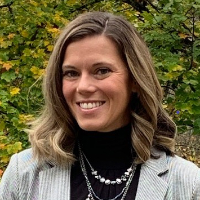
Rebecca Boardman
LISW, LICSW
West Virginia 14 years in practice
LICSW West Virginia - Stress and Anxiety
- Stress, Anxiety
- Addictions
- Trauma and abuse
Therapists who list CBT
37 therapists licensed in West Virginia list CBT among their approaches. Each profile shows the license and NPI as listed. Sessions are online.
Welcome to our West Virginia directory for online therapy. All therapists listed here are licensed; explore profiles to learn about their approaches, focus areas, languages and experience to find a good match.
LISW, LICSW
West Virginia 14 years in practice
LICSW West Virginia - Stress and Anxiety
West Virginia 4 years in practice
LPC - Anxiety and Trauma
LPC
West Virginia 21 years in practice
Licensed counselor focused on anxiety and trauma
LPC
West Virginia 7 years in practice
Licensed Professional Counselor - Stress and Anxiety
LPC
West Virginia 21 years in practice
Licensed Professional Counselor - anxiety and life changes
LCSW, LICSW
West Virginia 13 years in practice
Licensed Clinical Social Worker - Anxiety and Trauma
LPC
West Virginia 3 years in practice
LPC in West Virginia - Anxiety and Relationships
LICSW, LISW
West Virginia 7 years in practice
LICSW in WV and LISW in OH - Stress and Anxiety
LCMHC, LCPC
West Virginia 10 years in practice
Licensed counselor - anxiety and parenting
LPC
West Virginia 6 years in practice
Licensed Professional Counselor - Anxiety and Stress
LPCC, LPC
West Virginia 10 years in practice
LPCC LPC therapist - Anxiety and mood concerns
LPC
West Virginia 11 years in practice
Licensed Professional Counselor - Anxiety and Trauma
LPCC, LCMHC
West Virginia 7 years in practice
LPCC LCMHC - Anxiety and Stress
LPC
West Virginia 13 years in practice
Licensed Professional Counselor - Relationships and Trauma
West Virginia 24 years in practice
Licensed Professional Counselor - Anxiety and Trauma
LICSW
West Virginia 6 years in practice
LICSW - Anxiety and Addiction care
LPC
West Virginia 5 years in practice
LPC in West Virginia - Trauma and mood concerns
LPC, LMHC
West Virginia 5 years in practice
LPC LMHC - Anxiety and Addictions
LPC
West Virginia 9 years in practice
Licensed Professional Counselor - Anxiety and Trauma
LPC
West Virginia 7 years in practice
Licensed Professional Counselor - Anxiety and Stress
LPC
West Virginia 22 years in practice
Dr. Josalyn Ice - LPC, CBT and trauma-focused work
LICSW
West Virginia 17 years in practice
LICSW - Stress and Anxiety
LCMHC, LMHC
West Virginia 30 years in practice
Dr. James Kowalski - LCMHC LMHC, stress and addictions
WV Psychologist
West Virginia 7 years in practice
WV clinical psychologist - anxiety and mood
LPC
West Virginia 11 years in practice
Licensed Professional Counselor - Anxiety and Addiction
LICSW, LCSW
West Virginia 7 years in practice
LICSW LCSW - Stress and relationships
LPC
West Virginia 4 years in practice
Licensed Professional Counselor - Anxiety and Addictions
LPC
West Virginia 15 years in practice
Licensed Professional Counselor - Anxiety and Addiction issues
LPC
West Virginia 22 years in practice
Licensed Professional Counselor - Anxiety and Trauma
LPC
West Virginia 4 years in practice
LPC in West Virginia - anxiety and trauma
LPC
West Virginia 8 years in practice
Licensed Professional Counselor - Stress and Anxiety
WV Psychologist
West Virginia 34 years in practice
Dr. Barbara Romfo - Psychologist, Anxiety and Depression
LICSW
West Virginia 6 years in practice
LICSW - Stress and Anxiety support
WV Psychologist
West Virginia 31 years in practice
Dr. Tammy McClain - Clinical Psychologist, Stress and Anxiety
LICSW, LCSW
West Virginia 9 years in practice
Licensed social worker - anxiety and life changes
LPC, LMHC
West Virginia 26 years in practice
Dr. Sara Lewis-Stankus LPC LMHC - Stress and relationship help
West Virginia 25 years in practice
Licensed Professional Counselor - Relationships and Family
Some links on this page are partner links. We will earn a commission if you sign up through one, at no cost to you. It does not change what you pay or the order of the listings.
Online therapy has become an established option for many people across West Virginia, bringing licensed mental health professionals into homes, workplaces and other settings without the need to travel long distances. You will find clinicians who work with adults, adolescents and families and who list a variety of approaches on their profiles. Some therapists identify CBT among their approaches, while others list acceptance-based, trauma-informed or integrative methods. Because regulatory requirements vary by profession, therapists will often note the types of credentials they hold and the license state that applies to their practice. When you are looking for care, you can use those profile details to narrow your search to clinicians whose focus areas and communication styles match what you want.
For residents in rural counties and small towns, online services can reduce commute times and expand access to clinicians who specialize in particular concerns. For those in urban centers, online therapy adds scheduling flexibility and the option to continue working with a clinician if you relocate or travel. While technology makes remote sessions possible, conducting therapy across state lines has regulatory considerations, so it is useful to confirm which state license a clinician holds if that matters to you.
Online therapy can make it easier for you to prioritize mental health without major disruptions to daily life. You can meet with a therapist from home, a workplace break room or another comfortable environment, which reduces time lost to travel and parking, and can be particularly helpful when weather or distance would otherwise limit access. The format also opens up a broader pool of clinicians, so you have more options to find someone who lists experience with questions like anxiety, depression, trauma or parenting concerns.
Another benefit is continuity. You can maintain sessions during life changes such as moves, studies or job transitions when the clinician you are working with offers remote sessions. Many people also appreciate the range of session formats - video, phone or messaging-based options - that may be offered. If language or cultural alignment is important to you, online listings can help you find clinicians who note fluency in particular languages or experience working with specific communities. Finally, because therapists list different approaches on their profiles, you can seek someone who mentions strategies and frameworks that feel right to you, such as CBT, mindfulness-informed work or approaches geared toward relationship and family dynamics.
Therapists serving West Virginia typically work with a wide range of concerns and life challenges. You can expect to find help for mood-related issues like depression and anxiety, for stress related to work or caregiving, and for relationship and family matters including couples work and parenting support. Many clinicians also list experience with trauma-related symptoms, grief and loss, and major life transitions such as career change, relocation and identity development.
Other common focus areas include managing chronic health conditions, addressing substance use concerns in the context of broader life goals, and support for attention and executive functioning challenges. Some therapists list approaches that are often used with trauma processing or pattern change, and others describe skills-based work aimed at symptom management and coping strategies. When you read profiles, notice whether a therapist emphasizes short-term skills training, ongoing exploratory work, or a combination, so you can pick someone whose stated focus aligns with what you want to accomplish.
Begin by noting the professional title listed on the therapist's profile - common designations include licensed professional counselor, clinical social worker and psychologist. Many profiles also include a license number. That number is a key detail when you want to confirm licensure. If a profile does not show a license number, you can typically contact the clinician's office or consult the directory listing to request it.
West Virginia has boards that regulate different mental health professions, such as the Board of Examiners for Licensed Professional Counselors, the Board of Social Work Examiners, and the Board of Examiners of Psychologists. These boards maintain public license lookup tools on their websites where you can enter a name or license number to verify whether the license is active, the expiration date and whether there are any public disciplinary actions. Checking the board site gives you official information about licensure that complements the details on a therapist's profile.
If you are unsure about the license listed or how it applies to online work, it is appropriate to ask the clinician directly which state their license covers and whether they are authorized to provide remote services to someone in West Virginia. You can also contact the relevant state board with questions about scope of practice or interstate practice rules. Doing this early helps you make an informed choice and ensures regulatory details align with your needs.
Before you reach out, take a moment to clarify what you want from therapy. Are you looking for short-term skills to manage anxiety, or are you hoping for longer-term work on relationship patterns or past trauma? Your goals will help you prioritize therapists who list relevant focus areas and approaches. Read profiles for language that reflects your needs and look for clinicians who describe working with clients on outcomes similar to yours.
Therapists list various approaches on their profiles. If a particular method appeals to you, such as CBT, look for clinicians who list CBT among their approaches. Keep in mind that listing an approach does not indicate a specific credential in that method; it simply signals that the clinician uses that approach in their work. You should also notice experience descriptions - some therapists highlight years working with adolescents, others emphasize family systems or grief work. Communication style matters too. Profiles often convey whether a clinician takes a practical, directive approach or a reflective, exploratory one. Choose a tone that feels like a fit for how you prefer to work.
Practical details influence how well therapy will fit into your life. Look for information about session length and typical formats such as video or phone. Check whether a therapist lists insurance they work with or whether they mention sliding scale or fee ranges. When it comes to technology, ask which platform the therapist uses and whether it supports features that matter to you, such as video, messaging or the ability to share worksheets. Choose platforms that describe the protections they use for data so you feel comfortable with how your information is handled.
Many people begin with a brief conversation or consult to get a sense of rapport. Use that opportunity to ask about the therapist's approach to the issues most important to you, how they measure progress, and how they structure sessions. Pay attention to how you feel during that exchange - comfort with the clinician's manner and clarity about next steps are important signals. If the fit does not feel right, it is appropriate to continue your search; finding someone you trust can make a meaningful difference in how engaged you are with the process.
Choosing an online therapist in West Virginia involves both practical checks and personal judgment. By clarifying your goals, reviewing profiles for approach and experience, verifying licensure through state boards and asking about logistics up front, you can find a clinician whose expertise and style are aligned with what you need. Taking these steps helps you begin therapy with confidence and a clearer sense of how the work will proceed.