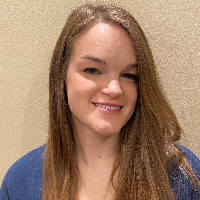
Therapist profile
Abby Feinberg, LCSW
Licensed in Pennsylvania 12 years in practice Online sessions
LCSW in Pennsylvania - stress and relationships
About Abby
Abby Feinberg is a Licensed Clinical Social Worker (LCSW) in Pennsylvania with 12 years of experience helping people manage stress, anxiety, relationship concerns, trauma and abuse, self-esteem, and major life changes. She describes herself as collaborative and most effective with clients who know their goals and are open to feedback and learning new skills.
Her work combines practical skills practice with opportunities to reflect on patterns that keep problems going.
Background and approach
She often uses Cognitive Behavioral Therapy to notice and test unhelpful thoughts and behaviors. She also draws on client-centered techniques to keep sessions focused on the person's priorities. Abby integrates elements of Dialectical Behavior Therapy when emotion regulation and distress tolerance skills are needed.
Motivational Interviewing appears when people are weighing changes or feeling stuck. Narrative therapy is used to help people reframe the stories they tell about themselves and their relationships. In sessions she balances challenge and validation.
That looks like setting clear goals, trying different strategies, and talking through what did and didn’t work. She expects active participation and homework at times, because practice outside sessions helps new habits stick. Her additional interests include attachment and abandonment issues, body image, codependency, caregiver stress, and issues tied to divorce or family of origin.
Abby works in Pennsylvania and conducts therapy in English. To begin, she asks prospective clients to complete a short questionnaire and schedule a first session.
What Abby works with
The areas Abby lists on their profile, in their own terms. If what you would like to work on is not on the list, it is fine to ask about it.
- Stress, Anxiety
- Relationship issues
- Trauma and abuse
- Self esteem
- Coping with life changes
- Abandonment
- Aging and geriatric issues
- Attachment issues
- Avoidant personality
- Body image
- Caregiver issues and stress
- Codependency
- Commitment issues
- Communication problems
- Control issues
- Dependent personality
- Divorce and separation
- Family of origin issues
- Forgiveness
- Guilt and shame
- Hospice and end-of-life counseling
- Impulsivity
- Infidelity
- Jealousy
- Life purpose
- Midlife crisis
- Money and financial issues
- Mood disorders
- Narcissism
- Panic disorder and panic attacks
- Post-traumatic stress
- Self-love
- Sexuality
- Social anxiety and phobia
- Women's issues
- Workplace issues
Methods Abby lists
- Cognitive Behavioral Therapy (CBT)
- Client-Centered Therapy
- Dialectical Behavior Therapy (DBT)
- Motivational Interviewing
- Narrative Therapy
- Psychodynamic Therapy
- Solution-Focused Therapy
- Trauma-Focused Therapy
Listing an approach is not evidence of training in it. This directory shows what each therapist names and does not check training records.
How Abby brings structured therapy online
Abby commonly uses Cognitive Behavioral Therapy to make thoughts and actions more practical and manageable. CBT focuses on identifying unhelpful thinking patterns, testing new responses, and practicing small behavioral changes to reduce anxiety and stress.She also uses client-centered methods to keep sessions grounded in the person's goals and priorities, with the therapist following the client's lead on what matters most. Dialectical Behavior Therapy techniques may be added when stronger emotion regulation or distress-tolerance skills are needed, such as breathing, grounding, or mindfulness exercises.
Finding the right approach is collaborative. Abby will discuss goals, try methods, and adjust based on what helps most. She invites active participation and may suggest short practice tasks between sessions so new skills can be tested in daily life.
The biography does not specify particular session formats, so confirm the current online options before booking. In general, online work can make scheduling easier, allow shorter check-ins between obligations, and let people use strategies immediately in their own routines. Licensed professionals can adapt exercises for video or audio meetings and plan sessions to fit weekday breaks or other time constraints.
We will earn a commission if you sign up through our link, at no cost to you. It does not change what you pay or the order of the listings.
Questions people ask about Abby
What concerns does she address most often?
She works with stress, anxiety, relationship issues, trauma and abuse, self-esteem, and coping with life changes. Additional focuses include attachment, body image, caregiver stress, and divorce-related concerns.
How does she use Cognitive Behavioral Therapy in sessions?
She uses CBT to help people notice unhelpful thoughts and behaviors and to test alternative responses. That often includes setting small experiments and skills practice between sessions.
What is her professional background?
She is a Licensed Clinical Social Worker with 12 years of professional experience working in therapeutic settings. Her background includes several complementary approaches to treatment.
Where is she licensed and what credential does she hold?
She holds the LCSW credential and is licensed in Pennsylvania. Sessions are offered in English.
Can I work with her from another country?
International clients are not accepted. Sessions are offered in English to people located where she is licensed to practice.
What session formats are available?
The original biography does not list specific session formats. Confirm current session options before booking to know whether remote or in-person meetings are offered.
How are fees handled?
Cost varies with location and sessions use a subscription model that can be canceled at any time. Exact pricing is provided during the intake process.
What are the first steps to get started?
Use the See online therapy options button, complete a short matching questionnaire, and schedule your first session. That begins the intake and planning conversation.