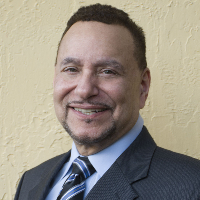
Ashley Gaines
LPC
Pennsylvania 20 years in practice
Licensed Professional Counselor - Anxiety and Stress
- Stress, Anxiety
- Relationship
- Trauma and abuse
Therapists who list CBT
4,554 therapists who list CBT also list Trauma-Focused Therapy among their methods. Listing an approach is not evidence of training in it; ask directly how they use it.
Trauma-Focused Therapy is an approach centered on understanding and working through the impacts of traumatic experiences on thoughts, feelings, and daily functioning. Below you can browse therapists who list Trauma-Focused Therapy among their approaches to find profiles that match your needs.
LPC
Pennsylvania 20 years in practice
Licensed Professional Counselor - Anxiety and Stress
BACP
United Kingdom 5 years in practice
BACP counsellor - anxiety and stress support
LCSW
Oklahoma 15 years in practice
LCSW in Oklahoma - anxiety and relationships
LCSW, CSW
Colorado 12 years in practice
LCSW - Stress and anxiety support
BACP
United Kingdom 14 years in practice
BACP counsellor - anxiety and relationships
BACP
United Kingdom 25 years in practice
BACP counsellor - anxiety and relationship support
LPC
Michigan 7 years in practice
Licensed counselor - anxiety and relationships
LCSW
North Carolina 5 years in practice
LCSW - Anxiety and trauma support
LPC
Arizona 30 years in practice
Licensed Professional Counselor - Stress and Trauma
LCSW
Texas 14 years in practice
Dr. Tomika Hardy - LCSW, addiction and trauma
Louisiana 17 years in practice
Licensed Professional Counselor - Anxiety and Trauma
LMHC
Florida 38 years in practice
Florida LMHC - Anxiety and life changes
NCPS
United Kingdom 4 years in practice
Counsellor - relationships and trauma
LCSW
Missouri 13 years in practice
Licensed Clinical Social Worker - mood and addiction work
NCPS
United Kingdom 6 years in practice
Counsellor - anxiety and relationships
LCSW
Florida 31 years in practice
LCSW - relationships and trauma
North Carolina 23 years in practice
LCMHC - Anxiety and Addictions
LMHC, LMFT
Florida 30 years in practice English, Spanish
LMHC and LMFT - Anxiety and Trauma
LPCC
New Mexico 17 years in practice
LPCC in New Mexico - Stress and Anxiety
LCSW
Florida 12 years in practice
LCSW - Parenting and Anxiety
LCSW
Florida 18 years in practice
LCSW - anxiety and addiction support
BACP
United Kingdom 3 years in practice English, Greek
BACP counsellor - anxiety and relationships
LMHC
New York 7 years in practice English, Indonesian
LMHC in New York - anxiety and relationships
BACP, NCPS
United Kingdom 18 years in practice
Counsellor - Anxiety and Addictions
LICSW
Minnesota 37 years in practice
LICSW - Stress and Trauma focused
LPC
Wisconsin 23 years in practice
Licensed Professional Counselor - Anxiety and Depression
LPC
Michigan 10 years in practice
Licensed Professional Counselor - Addiction and Anxiety
Texas 17 years in practice
Dr Dora Whiteside LPC - Mood and stress work
LMHC
Florida 20 years in practice
LMHC - Stress and Anxiety focus
LCPC, LPC
Oklahoma 37 years in practice
Licensed counselor - anxiety and life changes
United Kingdom 10 years in practice English, Portuguese
BACP counsellor - anxiety and life changes
Texas 20 years in practice
Licensed Professional Counselor - Family and Grief
LPC
Texas 16 years in practice
LPC in Texas - Trauma and relationship work
LCSW
Indiana 37 years in practice
Licensed Clinical Social Worker - Mood and relationships
LCMHC
North Carolina 5 years in practice
LCMHC - Stress and Anxiety
Georgia 12 years in practice
LPC in Georgia - stress and relationship concerns
LMHC
Florida 20 years in practice English, Portuguese
LMHC - Addiction and anxiety care
LPCC
Kentucky 16 years in practice
LPCC - Anxiety and trauma support
LPC
Texas 9 years in practice
LPC in Texas - Anxiety and Depression
AASW
Australia 13 years in practice
AASW social worker - anxiety and parenting
LPC, LMHC
Florida 10 years in practice
Licensed counselor - anxiety and relationships
LPC
Oklahoma 9 years in practice
Licensed Professional Counselor - Stress and Anxiety
BACP
United Kingdom 12 years in practice
Counsellor - stress and relationships
BACP
United Kingdom 12 years in practice
BACP therapist - anxiety and relationships
NCPS
United Kingdom 15 years in practice
Counsellor - relationships and anxiety
BACP
United Kingdom 15 years in practice
Counsellor - CBT and trauma-focused work
LPC
South Carolina 20 years in practice
Licensed Professional Counselor - Stress and Trauma
BACP, NCPS
United Kingdom 5 years in practice
Counsellor - Anxiety and relationships
Some links on this page are partner links. We will earn a commission if you sign up through one, at no cost to you. It does not change what you pay or the order of the listings.
Trauma-Focused Therapy refers to an orientation that prioritizes the effects of traumatic events and how those events continue to shape your thoughts, emotions, relationships, and sense of safety. The approach is not a single technique but a family of practices that aim to help you process traumatic memories, reduce distressing symptoms, and build coping skills to manage triggers. Clinicians who use this orientation often emphasize stabilizing symptoms first, offering clear information about the process, and tailoring interventions to the pace you can tolerate. You should expect a focus on practical strategies as well as ways to explore and reframe traumatic material when appropriate for you.
Several guiding principles commonly appear across Trauma-Focused Therapy approaches. You are likely to encounter a focus on safety and pacing so that work proceeds at a rate you can manage. Psychoeducation is also typical - helping you understand how trauma affects the brain and body so you can make sense of your experience. Clinicians often pair symptom management - such as grounding techniques and emotional regulation - with methods for processing memories, beliefs, or bodily responses tied to trauma. Emphasis on collaboration is important: you and your clinician work together to set goals, choose techniques, and review progress. Lastly, cultural sensitivity and attention to your context are usually part of the framework so interventions fit your background and values.
If you are seeking Trauma-Focused Therapy, you may be addressing a wide range of trauma-related concerns. Many people look for this approach when they experience intrusive memories, nightmares, heightened startle responses, or avoidance behaviors linked to past events. It is also used for emotional difficulties such as intense anxiety or depression that feel connected to earlier harm. People who have experienced single-incident traumas, prolonged or repeated traumatic experiences, medical traumas, interpersonal violence, or childhood adversity may find clinicians who use trauma-focused methods helpful in disentangling how those experiences continue to affect daily life. In addition, Trauma-Focused Therapy is often integrated into care for co-occurring issues like substance use, relationship challenges, or chronic stress when those concerns are tied to past trauma.
Because trauma affects people differently, you may find that clinicians emphasize different aspects of treatment depending on your symptoms and goals. For some, the work centers on processing specific memories and reframing self-blame. For others, it focuses more on building coping tools, improving emotion regulation, and restoring routines that support wellbeing. Your individual needs guide how the therapeutic work unfolds.
A typical session in Trauma-Focused Therapy balances safety, skills-building, and processing in a way that respects your pace. Sessions often begin with a brief check-in about how you have been since the last appointment and any immediate concerns. You and your clinician may review homework or coping strategies practiced between sessions. Much of the early work focuses on stabilization - learning grounding methods, breathing or relaxation techniques, and strategies to manage intense emotions when they arise.
As you build stability, sessions may include exploration of traumatic memories or the beliefs that developed after events. This exploration is usually conducted using structured techniques selected to match your tolerance and goals. Your clinician may guide you through narrative work, cognitive restructuring of unhelpful beliefs, or body-based strategies to notice and regulate physiological reactions. Sessions commonly include time for reflection, planning for what to do if you feel overwhelmed afterward, and setting clear next steps. Typical session length varies, though many clinicians meet for 45 to 60 minutes; frequency can range from weekly to less often depending on your needs and circumstances. Throughout, informed consent and collaborative planning help ensure the work aligns with what you want to achieve.
Trauma-Focused Therapy differs from general talk therapy primarily in its explicit emphasis on trauma - its causes, mechanisms, and treatment strategies. While many therapy styles address current problems or patterns of thought and behavior, trauma-focused work explicitly centers on the legacy of past harm and the ways it influences present functioning. This often means a combination of symptom management and targeted memory processing rather than an exclusive focus on insight or general coping. Compared with approaches that emphasize long-term exploratory work without a specific trauma lens, Trauma-Focused Therapy tends to be more directional about addressing traumatic memories, triggers, and their consequences.
You may encounter overlap with other therapeutic orientations. For example, cognitive-behavioral techniques are commonly used within trauma-focused frameworks to help you identify and reframe beliefs tied to traumatic experiences. Somatic or body-oriented methods focus on physiological responses and may be integrated when your body holds tension or reactive patterns. Some clinicians who list trauma-focused approaches also include exposure-based practices or narrative methods for telling and reorganizing your story. The important distinction is that the trauma lens informs both what is targeted in treatment and how pacing, safety, and consent are prioritized.
Trauma-Focused Therapy may be appropriate if you notice persistent symptoms that you link to past distressing events or if you want to address how past experiences affect current relationships and functioning. You are likely to benefit from a clinician who understands trauma responses, listens to your goals, and adapts methods to your readiness. People of different ages and backgrounds seek trauma-focused work, and clinicians may work with adults, adolescents, children, couples, or families depending on their focus areas.
When looking for a therapist who uses Trauma-Focused Therapy, use the resources available in your area to compare profiles and specialties. Look for descriptions that mention work with trauma, the populations the clinician serves, languages they speak, and the settings in which they work - in-person offices, telehealth, or community clinics. Pay attention to license type and professional credentials listed on profiles, as these indicate the clinician's regulatory framework and scope of practice. Read about the approaches they list so you can see whether they emphasize stabilization, memory processing, body-based methods, or integrative strategies. It can be helpful to note whether a clinician highlights experience with similar concerns to yours, such as sexual violence, combat-related trauma, medical trauma, or childhood adversity.
When you contact a clinician, consider asking about their approach to pacing, what a first few sessions typically involve, how they support you during hard moments, and what kinds of techniques they commonly use. You may want to ask about session length, fee structure, and whether they work with your insurance or offer a sliding scale. These practical questions can help you determine fit. Trust your sense of whether a clinician listens, explains things in a way you understand, and respects your boundaries. Building a therapeutic relationship often takes time, and finding a clinician who matches your needs and style can make the process feel more manageable.
Overall, Trauma-Focused Therapy is a focused way to address the lingering effects of traumatic experiences. By learning about the principles, what sessions typically involve, and how different clinicians incorporate trauma-focused methods, you can make an informed choice when browsing profiles of therapists who list Trauma-Focused Therapy among their approaches.