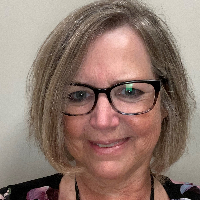
Therapist profile
Bethany Maroney-Peterson, LMFT
Licensed in California 16 years in practice Online sessions
LMFT in California - Trauma and Family concerns
About Bethany
Bethany Maroney-Peterson is a Licensed Marriage and Family Therapist (LMFT) in California with 16 years of experience. She works with people facing trauma and abuse, parenting strain, anxiety, depression, relationship and family problems, and related concerns such as grief, anger, and stress. Bethany also lists support for ADHD, bipolar mood concerns, intimacy-related issues, and compassion fatigue.
Her approach is practical and structured. She uses Cognitive Behavioral Therapy (CBT) alongside attachment-based and client-centered methods, Dialectical Behavior Therapy (DBT), solution-focused strategies, and trauma-focused work.
Background and approach
Sessions focus on noticing unhelpful thoughts and habits, learning concrete skills, and trying different ways of responding in everyday situations. Bethany describes therapy as a collaborative process. She helps people identify patterns that keep problems going and practices specific techniques to change those patterns.
Work can include thought records, behavior experiments, communication skills, and grounding or emotion regulation tools drawn from DBT. Her background includes training in trauma, PTSD, anxiety disorders, depression, and human development, plus experience with issues related to adoption, attachment, blended families, caregiver stress, domestic violence, and first responder challenges. Bethany’s work often addresses how past attachment experiences affect current relationships.
People who choose her typically want clear steps they can use between sessions. She asks questions, sets concrete goals, and checks progress over time. To begin, readers should confirm session options and follow the practice's scheduling steps before booking.
What Bethany works with
The areas Bethany lists on their profile, in their own terms. If what you would like to work on is not on the list, it is fine to ask about it.
- Trauma and abuse
- Parenting issues
- Anger management
- Depression
- Compassion fatigue
- Stress, Anxiety
- Relationship issues
- Family conflicts
- Grief
- Intimacy-related issues
- Self esteem
- Bipolar disorder
- Coping with life changes
- ADHD
- Abandonment
- Adoption and foster care
- Attachment issues
- Blended family issues
- Cancer
- Caregiver issues and stress
- Codependency
- Communication problems
- Control issues
- Coping with natural or human-caused disaster
- Dependent personality
- Divorce and separation
- Domestic violence
- Family problems
- First responder issues
- Guilt and shame
- Infidelity
- Intellectual disability
- Veteran and Armed Forces Issues
- Mood disorders
- Obsessions, compulsions, and OCD
- Panic disorder and panic attacks
- Personality disorders
- Phobias
- Process addiction (porn, exercise, gambling)
- Sex addiction
- Sexual assault and abuse
- Sexuality
- Social anxiety and phobia
- Traumatic brain injury
- Women's issues
- Young adult issues
Methods Bethany lists
- Cognitive Behavioral Therapy (CBT)
- Attachment-Based Therapy
- Client-Centered Therapy
- Dialectical Behavior Therapy (DBT)
- Solution-Focused Therapy
- Trauma-Focused Therapy
Listing an approach is not evidence of training in it. This directory shows what each therapist names and does not check training records.
How Bethany blends practical approaches for online work
Attachment-Based Therapy focuses on how early relationships shape current patterns. It looks at connection and trust in relationships and helps people change how they relate to partners and family members.Cognitive Behavioral Therapy (CBT) targets the link between thoughts, feelings, and actions. It teaches concrete skills like thought records and behavior experiments that people can use between sessions to reduce anxiety, manage depression, and change unhelpful habits.
Client-Centered Therapy keeps the person’s goals at the center of planning. The therapist asks questions, listens for what matters most, and helps set short-term objectives that feel doable.
Finding the right approach is part of the work. Bethany will collaborate with clients to choose which methods to try first based on presenting problems, goals, and personal preferences. That process includes reviewing what has helped before and adjusting techniques if they don’t fit.
Session logistics should be confirmed with the practice before booking since formats are not specified here. Online sessions can make it easier to fit counseling into a weekday break, reduce travel time, or allow shorter check-ins when schedules are tight. If needed, practical adaptations such as shorter sessions or telephone check-ins can be discussed to match a person’s routine and technical needs.
We will earn a commission if you sign up through our link, at no cost to you. It does not change what you pay or the order of the listings.
Questions people ask about Bethany
What concerns does she address most often?
She supports people with trauma and abuse, parenting and family problems, anxiety, depression, relationship issues, grief, anger, stress, ADHD, bipolar concerns, and related topics.
How does she use CBT in sessions?
CBT is used to notice unhelpful thoughts and test different responses. Sessions include practical exercises like thought records and behavior experiments to change patterns.
What is her professional background?
She is a Licensed Marriage and Family Therapist with 16 years of experience and additional training in trauma, PTSD, anxiety disorders, depression, and human development.
Where is she based and licensed?
She practices in California and holds the credential LMFT as a California LMFT.
Which languages are offered for sessions?
Sessions are offered in English.
Does she work with people outside the United States?
International clients are not currently accepted.
How are sessions structured and what formats are offered?
Session formats are not listed here; please confirm current session options with the practice before booking.
How does billing and cost work?
Cost varies with location and sessions use a subscription model that can be canceled at any time.