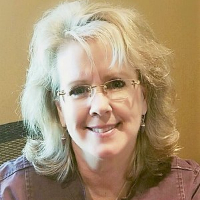
Therapist profile
Ingrid Vicencio, LCSW
Licensed in California 7 years in practice Online sessions
California LCSW - Anxiety and Trauma
About Ingrid
Ingrid Vicencio is a California Licensed Clinical Social Worker (LCSW) with seven years of clinical experience. She works with people who are struggling with stress, anxiety, relationship problems, trauma and abuse, and eating concerns. She provides care in English and Spanish for people living in California.
Her approach is practical and focused. She uses Cognitive Behavioral Therapy to help people notice unhelpful thoughts and try different responses. She also draws on Dialectical Behavior Therapy and EMDR when those approaches fit the problem.
Background and approach
Sessions typically involve setting small, concrete goals and practicing specific skills between meetings. Clients can expect straightforward conversations about what is happening day to day. She helps people map patterns in thoughts, feelings, and behaviors and then tests small changes.
For relationship and communication issues she works on clearer expression and boundaries. For trauma and abuse she combines symptom-focused strategies with processing methods when appropriate. Ingrid also addresses issues that often come with these concerns, such as body image, guilt and shame, codependency, caregiver stress, and immigration-related challenges.
She uses motivational interviewing to support changes in behavior and narrative therapy to help people reframe confusing personal stories. To start, a person completes a short matching questionnaire and schedules a first session. The practice uses a subscription model that can be canceled at any time, and session cost varies by location.
What Ingrid works with
The areas Ingrid lists on their profile, in their own terms. If what you would like to work on is not on the list, it is fine to ask about it.
- Stress, Anxiety
- Relationship issues
- Trauma and abuse
- Eating disorders
- Depression
- Addictions
- LGBT
- Family conflicts
- Grief
- Anger management
- Self esteem
- Coping with life changes
- Abandonment
- Attachment issues
- Body image
- Caregiver issues and stress
- Co-morbidity
- Codependency
- Communication problems
- Dependent personality
- Divorce and separation
- Domestic violence
- Eating and food-related issues
- Gender dysphoria
- Guilt and shame
- Immigration issues
- Life purpose
- Midlife crisis
- Money and financial issues
- Mood disorders
- Multicultural concerns
- Panic disorder and panic attacks
- Paranoia
- Personality disorders
- Polyamory / non-monogamous relationships
- Postpartum depression
- Post-traumatic stress
- Prejudice and discrimination
- Process addiction (porn, exercise, gambling)
- Seasonal Affective Disorder (SAD)
- Self-harm
- Self-love
- Sexuality
- Social anxiety and phobia
- Women's issues
- Workplace issues
- Young adult issues
Methods Ingrid lists
- Cognitive Behavioral Therapy (CBT)
- Dialectical Behavior Therapy (DBT)
- Eye Movement Desensitization and Reprocessing (EMDR)
- Motivational Interviewing
- Narrative Therapy
- Psychodynamic Therapy
- Solution-Focused Therapy
- Trauma-Focused Therapy
Listing an approach is not evidence of training in it. This directory shows what each therapist names and does not check training records.
How her approaches translate to online work
People who prefer practical, structured methods will recognize Cognitive Behavioral Therapy as a focus. CBT helps by identifying unhelpful thoughts and testing small behavioral changes to see what works in daily life. Dialectical Behavior Therapy provides concrete skills for emotion regulation and interpersonal effectiveness, useful when stress or relationship conflict feels overwhelming. Eye Movement Desensitization and Reprocessing is a method used to reduce distress tied to traumatic memories and may be offered when trauma processing is part of the work.Choosing the right approach is part of the early sessions. The therapist collaborates with each person to decide which method or combination fits their goals and circumstances. That discussion looks at current problems, what the person wants to change, and how they respond to different techniques so the plan can be adjusted over time.
The original biography does not name specific session formats, so confirm available options before booking. In general, online work can make it easier to fit therapy into a busy schedule, reduce travel time, and allow shorter check-ins when needed. It also lets therapists use worksheets, guided skill practice, and paced processing in ways that fit a person’s daily routine.
We will earn a commission if you sign up through our link, at no cost to you. It does not change what you pay or the order of the listings.
Questions people ask about Ingrid
What concerns does she help with most often?
She works with stress, anxiety, relationship problems, trauma and abuse, eating concerns, depression, addictions, grief, anger, and self-esteem.
How would you describe her therapeutic style?
She uses a practical, skills-focused approach. Sessions emphasize noticing thought and behavior patterns and trying small changes.
What is her clinical background and experience?
She is a Licensed Clinical Social Worker (LCSW) with seven years of professional experience working in clinical settings.
Where is she licensed and practicing?
She is licensed in California as an LCSW and provides services to people located in California.
Which languages are supported in sessions?
Sessions are offered in English and Spanish.
What session formats are available?
The original biography does not list specific session formats; confirm current session options before booking.
How does pricing work?
Session cost varies with location and the service uses a subscription model that can be canceled at any time.
How do I get started with her?
Select the See online therapy options button, complete a short matching questionnaire, and schedule a first session.