Therapist profile
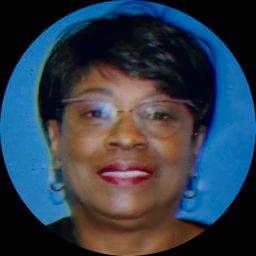
Mary Sullivan, LPC
Licensed in Colorado 45 years in practice Online sessions
Licensed Professional Counselor - Trauma and Addictions
About Mary
Mary Sullivan is a Licensed Professional Counselor (LPC) in Colorado with 45 years of experience. She focuses on stress, anxiety, addictions, trauma and abuse, depression, ADHD, relationship and family concerns, grief, intimacy-related issues, anger, self-esteem, career questions, bipolar disorder, and coping with life changes. She explains concerns in plain terms and helps people notice patterns that keep problems going.
Sessions often include clear, practical steps to test different ways of thinking and behaving.
Background and approach
She also uses client-centered methods to listen and reflect, and incorporates mindfulness and some work with deeper personal themes when helpful. Mary has long experience in clinical settings and with diverse populations. That background shapes how she approaches complicated problems such as trauma, addiction, and co-occurring issues.
She emphasizes education about how stress and trauma affect the body and mind so clients can better understand their reactions. Her work draws on Cognitive Behavioral Therapy to identify unhelpful thoughts and habits and on Dialectical Behavior Therapy skills for emotional regulation when needed.
Jungian ideas and mindfulness practices show up at times to help people explore meaning and develop steady attention skills. She has a particular interest in supporting veterans, first responders, and law enforcement around trauma-informed care and PTSD-related concerns.
Mary asks new clients from Colorado to complete a short questionnaire before scheduling a first session so she can match the work to their needs.
What Mary works with
The areas Mary lists on their profile, in their own terms. If what you would like to work on is not on the list, it is fine to ask about it.
- Stress, Anxiety
- Addictions
- Trauma and abuse
- Depression
- ADHD
- Relationship issues
- Family conflicts
- Grief
- Intimacy-related issues
- Anger management
- Self esteem
- Career difficulties
- Bipolar disorder
- Coping with life changes
- Compassion fatigue
- Abandonment
- Aging and geriatric issues
- BDSM, kink, and alternative sex culture
- Cancer
- Co-morbidity
- Codependency
- Commitment issues
- Coping with natural or human-caused disaster
- Disruptive Mood Dysregulation Disorder (DMDD)
- Dissociation
- Domestic violence
- Drug and alcohol addiction
- Family of origin issues
- First responder issues
- Veteran and Armed Forces Issues
- Narcissism
- Obsessions, compulsions, and OCD
- Post-traumatic stress
- Process addiction (porn, exercise, gambling)
- Seasonal Affective Disorder (SAD)
- Self-harm
- Sexual assault and abuse
- Traumatic brain injury
- Women's issues
Methods Mary lists
- Cognitive Behavioral Therapy (CBT)
- Client-Centered Therapy
- Dialectical Behavior Therapy (DBT)
- Jungian Therapy
- Mindfulness Therapy
- Motivational Interviewing
- Somatic Therapy
- Trauma-Focused Therapy
- Internal Family Systems
Listing an approach is not evidence of training in it. This directory shows what each therapist names and does not check training records.
How therapeutic approaches shape online work
Mary frequently uses Cognitive Behavioral Therapy online to identify thought patterns that contribute to anxiety, depression, and addictive behaviors. CBT sessions focus on specific problems, practical exercises, and homework tasks that people can try between meetings.She also draws on Dialectical Behavior Therapy skills in sessions when emotion regulation, distress tolerance, or interpersonal effectiveness are priorities. DBT skills training is concrete and teaches steps to manage intense feelings and reactions. Client-centered methods are used to listen closely and reflect what matters to the client so goals stay practical and relevant.
Choosing the right approach is part of the collaborative process. She will work with each person to decide which methods fit their goals and preferences. That may mean combining CBT with DBT tools or adding mindfulness practices for focus and stress reduction.
The biography does not list specific online session formats, so confirm available options before booking. Online work can make it easier to fit therapy into a busy week, allow shorter check-ins when needed, and remove travel time. Those practical benefits can help people maintain consistency while they practice new skills.
We will earn a commission if you sign up through our link, at no cost to you. It does not change what you pay or the order of the listings.
Questions people ask about Mary
What concerns does she commonly address?
She works with stress, anxiety, depression, addictions, trauma and abuse, ADHD, grief, intimacy issues, anger, self-esteem, career matters, bipolar disorder, and coping with life changes.
How does she use Cognitive Behavioral Therapy?
She uses CBT to help people spot unhelpful thoughts and habits and then try different responses. The work is practical and involves testing changes between sessions.
What kind of clinical experience does she have?
She brings 45 years of experience in clinical settings and with diverse client needs, including trauma and addiction work.
What credential and location are on file?
She is a Licensed Professional Counselor (LPC) practising in Colorado.
Which languages are supported and are international clients accepted?
Sessions are offered in English. International clients are not currently accepted.
What session formats are offered?
Please confirm current session options before booking as formats are not listed in the biography.
How are fees handled?
Cost varies with location and sessions use a subscription that can be canceled at any time.
What are the first steps to begin?
Select the See online therapy options button, complete a short matching questionnaire, and schedule a first session.