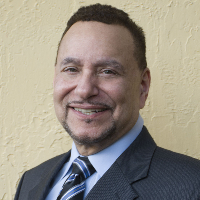
Ashley Gaines
LPC
Pennsylvania 20 years in practice
Licensed Professional Counselor - Anxiety and Stress
- Stress, Anxiety
- Relationship
- Trauma and abuse
Therapists who list CBT
5,439 therapists who list CBT also list Mindfulness Therapy among their methods. Listing an approach is not evidence of training in it; ask directly how they use it.
Mindfulness Therapy focuses on developing present-moment awareness, nonjudgmental observation, and skills to relate differently to thoughts and feelings. You can browse therapists who list Mindfulness Therapy among their approaches in the grid below.
LPC
Pennsylvania 20 years in practice
Licensed Professional Counselor - Anxiety and Stress
BACP
United Kingdom 5 years in practice
BACP counsellor - anxiety and stress support
LCSW
Missouri 20 years in practice
LCSW - relationships and stress
United Kingdom 5 years in practice
BACP counsellor - anxiety and stress
LCSW
North Carolina 7 years in practice
LCSW - relationships and parenting
LCSW
Oklahoma 15 years in practice
LCSW in Oklahoma - anxiety and relationships
LCSW, CSW
Colorado 12 years in practice
LCSW - Stress and anxiety support
LMHC
New York 11 years in practice
Licensed Mental Health Counselor - Anxiety and Eating Concerns
LPC
Texas 11 years in practice
LPC in Texas - Mood and anxiety support
BACP
United Kingdom 14 years in practice
BACP counsellor - anxiety and relationships
BACP
United Kingdom 25 years in practice
BACP counsellor - anxiety and relationship support
LPC
Michigan 7 years in practice
Licensed counselor - anxiety and relationships
LPC
Mississippi 25 years in practice
Licensed Professional Counselor - Relationships and Mood
Louisiana 30 years in practice
LPC counselor - relationship and anxiety work
BACP
United Kingdom 12 years in practice
BACP counsellor - anxiety and relationships
LPCC
Ohio 13 years in practice
LPCC counselor - stress and addictions
LPC
Texas 22 years in practice
Licensed Professional Counselor - Anxiety and Addictions
LCSW
North Carolina 5 years in practice
LCSW - Anxiety and trauma support
LICSW
Massachusetts 20 years in practice
LICSW - Stress and anxiety focus
LCSW
Texas 14 years in practice
Dr. Tomika Hardy - LCSW, addiction and trauma
Louisiana 17 years in practice
Licensed Professional Counselor - Anxiety and Trauma
LMHC
Florida 38 years in practice
Florida LMHC - Anxiety and life changes
NCPS
United Kingdom 4 years in practice
Counsellor - relationships and trauma
LMSW
Michigan 9 years in practice
LMSW - Anxiety and life changes
LCSW
Missouri 13 years in practice
Licensed Clinical Social Worker - mood and addiction work
NCPS
United Kingdom 6 years in practice
Counsellor - anxiety and relationships
LCSW
Illinois 10 years in practice
LCSW in Illinois - Anxiety and Depression
LCSW
Virginia 47 years in practice
LCSW - Anxiety and relationship concerns
LCSW
Florida 31 years in practice
LCSW - relationships and trauma
LCSW
California 10 years in practice
LCSW - Stress and anxiety support
North Carolina 23 years in practice
LCMHC - Anxiety and Addictions
LMHC, LMFT
Florida 30 years in practice English, Spanish
LMHC and LMFT - Anxiety and Trauma
LPCC
New Mexico 17 years in practice
LPCC in New Mexico - Stress and Anxiety
LCSW
Florida 12 years in practice
LCSW - Parenting and Anxiety
LCSW
Florida 18 years in practice
LCSW - anxiety and addiction support
BACP
United Kingdom 3 years in practice English, Greek
BACP counsellor - anxiety and relationships
BACP
United Kingdom 9 years in practice
BACP counsellor - anxiety and relationships
LMHC
New York 7 years in practice English, Indonesian
LMHC in New York - anxiety and relationships
BACP, NCPS
United Kingdom 18 years in practice
Counsellor - Anxiety and Addictions
LICSW
Minnesota 37 years in practice
LICSW - Stress and Trauma focused
LPC
Wisconsin 23 years in practice
Licensed Professional Counselor - Anxiety and Depression
LCSW
Florida 27 years in practice
LCSW - Stress and relationship concerns
LCSW, LISW
South Carolina 20 years in practice
LCSW LISW - Anxiety and Relationship Support
BACP
United Kingdom 10 years in practice
BACP counsellor - stress and anxiety
LPC
Alabama 20 years in practice
LPC in Alabama - stress and life changes
LPC
Michigan 10 years in practice
Licensed Professional Counselor - Addiction and Anxiety
Texas 17 years in practice
Dr Dora Whiteside LPC - Mood and stress work
LMHC
Florida 4 years in practice
LMHC in Florida - Anxiety and Mood Concerns
Some links on this page are partner links. We will earn a commission if you sign up through one, at no cost to you. It does not change what you pay or the order of the listings.
Mindfulness Therapy is an umbrella term for therapeutic approaches that emphasize intentional awareness of the present moment. Rather than trying to push thoughts or emotions away, you are guided to notice them with curiosity and without immediate judgment. The practice draws on contemplative traditions and psychological techniques to help you change your relationship to internal experiences. Key principles include attention to breath and body sensations, acceptance of what shows up in awareness, and a gentle curiosity about habitual patterns of thinking and behaving. Therapists who list Mindfulness Therapy among their approaches often integrate structured mindfulness practices with therapeutic conversation, helping you translate moment-to-moment awareness into everyday choices. The aim is not to eliminate difficult emotions but to develop the capacity to be with them in ways that reduce reactivity and increase options for action.
At its core, the approach rests on the idea that awareness is a skill that can be cultivated. You learn to notice triggers, recognize automatic responses, and create space between impulse and action. Over time, this expanded awareness can shift how memories, ruminations, and worries influence your day-to-day life. Therapists may draw on cognitive and behavioral ideas to help you test the impact of mindfulness practices on thoughts and behaviors, while also encouraging experiential learning through guided exercises. The result is a blend of reflective insight and practical skills aimed at improving emotional resilience.
Mindfulness-based approaches are applied to a wide range of concerns because they help you change how you relate to internal experiences rather than trying to change the content of those experiences. People look for mindfulness-informed help with stress management, anxiety, and repetitive worry because mindfulness practices can reduce the intensity of rumination and interrupt worry cycles. It is also commonly used for mood-related concerns when you want tools to notice early signs of mood shifts and respond in ways that reduce escalation. You may find mindfulness helpful if you struggle with impulsive reactions, chronic pain, sleep difficulties, or the emotional fallout of major life transitions.
Beyond specific diagnoses, you might be interested in mindfulness when your goals are improving focus, tolerating uncomfortable feelings, or cultivating greater calm during daily stressors. The approach is frequently integrated into therapy for relationship issues, where noticing automatic reactivity can change how you communicate and repair misunderstandings. Because mindfulness emphasizes experiential practice, results often depend on consistent use of techniques outside sessions. Therapists who include this approach may help you build a personal practice that fits your daily life and the problems you bring to therapy.
A typical session that incorporates mindfulness includes a balance of guided practice, reflection, and applied conversation. You might begin with a short guided mindfulness exercise - focusing on breath, scanning the body, or sensing immediate surroundings - to bring attention into the present. After the practice, you and the therapist discuss what arose during the exercise, exploring sensations, thoughts, and emotions that appeared. This reflective portion helps you notice patterns and test new ways of responding. The therapist may then introduce a short skill or cognitive framework and work with you to apply it to a real-life situation you are facing.
Sessions commonly include suggestions for practice between meetings so that mindfulness becomes an accessible tool you can use outside the therapy hour. Those inter-session practices are often brief and designed to fit your schedule - a few minutes of mindful breathing, mindful walking, or a simple observation exercise. In therapy, you will discuss how these practices affected your responses to stressors, allowing the therapist to tailor guidance to your experience. Over weeks and months, you and your therapist track changes in reactivity, attention, and emotional balance as the practice grows into a habit.
Mindfulness Therapy differs from other therapeutic approaches primarily in its emphasis on process rather than content. Where some therapies focus on challenging or restructuring the specific thoughts you have, mindfulness encourages noticing thoughts as events in the mind without necessarily judging them true or false. This shift can reduce the power of negative thinking by changing your relationship to thought patterns. Compared with strictly insight-oriented therapies, mindfulness places more emphasis on present-moment experience and ongoing practice. Compared with behaviorally focused interventions, mindfulness adds a layer of metacognitive awareness - you not only change behaviors but also learn how and why those behaviors arise from moment-to-moment mental patterns.
Because of its flexibility, mindfulness is often integrated with cognitive-behavioral tools, acceptance-based strategies, and interpersonal work. When combined with cognitive-behavioral methods, mindfulness can make thought-focused interventions more tolerable by reducing reactivity during cognitive work. In acceptance-oriented therapies, it supports letting go of struggle with internal experiences. In interpersonal work, it helps you notice reactivity that shapes communication. Therapists who list Mindfulness Therapy among their approaches may therefore use it alongside other methods to address your unique concerns.
Mindfulness approaches can be appropriate for many people, especially if you are willing to try regular, small practices and to reflect on moment-to-moment experience. You might be a good candidate if you want strategies for managing stress and reactivity, improving attention, or developing more flexible responses to difficult feelings. If you prefer practical exercises and experiential learning to purely talk-based therapy, mindfulness may fit your style. That said, mindfulness is not a one-size-fits-all solution, and therapists often adapt the approach to match cultural values, physical abilities, and personal preferences.
When searching for a therapist who uses mindfulness, focus on match rather than labels. Review profiles to compare focus areas, therapeutic approaches listed, professional credentials, languages spoken, and the types of issues each therapist highlights. Read descriptions of how a therapist integrates mindfulness - some emphasize brief daily practices, others blend mindfulness deeply into emotional processing or relationship work. Consider practical fit factors such as therapeutic orientation and the therapist's experience with concerns like anxiety, chronic stress, or trauma. You may also look for descriptions that explain how mindfulness will be taught and supported between sessions so you can get a sense of the commitment involved. Using this information can help you choose a therapist whose approach and experience align with the goals you bring to therapy.
As you explore profiles, expect variability in how mindfulness is described and applied. If you want more detail about a therapist's approach, look for profile notes about session structure, practice expectations, languages, and clinical focus. Those elements will give you a clearer picture of how mindfulness might be woven into your work together and help you decide which profiles to explore further.