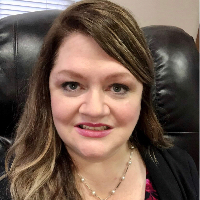
Jai Pitre
LCSW, CSW
Colorado 12 years in practice
LCSW - Stress and anxiety support
- Stress, Anxiety
- Trauma and abuse
- Self esteem
Therapists who list CBT
590 therapists who list CBT also list Jungian Therapy among their methods. Listing an approach is not evidence of training in it; ask directly how they use it.
Jungian Therapy explores the patterns, symbols, and personal myths that shape how you relate to yourself and others. Below you can browse therapists who list Jungian Therapy among their approaches to see profiles and learn more about how this work might align with your goals.
LCSW, CSW
Colorado 12 years in practice
LCSW - Stress and anxiety support
BACP
United Kingdom 25 years in practice
BACP counsellor - anxiety and relationship support
LPC
Michigan 7 years in practice
Licensed counselor - anxiety and relationships
LMHC
Florida 38 years in practice
Florida LMHC - Anxiety and life changes
NCPS
United Kingdom 6 years in practice
Counsellor - anxiety and relationships
North Carolina 23 years in practice
LCMHC - Anxiety and Addictions
Texas 17 years in practice
Dr Dora Whiteside LPC - Mood and stress work
United Kingdom 10 years in practice English, Portuguese
BACP counsellor - anxiety and life changes
LPCC
Kentucky 16 years in practice
LPCC - Anxiety and trauma support
LPC
Oklahoma 9 years in practice
Licensed Professional Counselor - Stress and Anxiety
BACP
United Kingdom 12 years in practice
Counsellor - stress and relationships
BACP
United Kingdom 12 years in practice
BACP therapist - anxiety and relationships
BACP
United Kingdom 15 years in practice
Counsellor - CBT and trauma-focused work
BACP
United Kingdom 7 years in practice English, Urdu
BACP counsellor - grief and trauma focus
Mississippi 51 years in practice
Dr. Ricardo Gillispie, LCSW - Stress and relationship support
BACP
United Kingdom 3 years in practice
Counsellor - anxiety and relationship support
LPC
Alabama 3 years in practice
Licensed Professional Counselor - Anxiety and Mood
Texas 5 years in practice
LPC in Texas - relationships and trauma
AASW
Australia 15 years in practice
AASW social worker - stress and trauma support
LPC
Georgia 8 years in practice
Licensed Professional Counselor - Relationships and Trauma
LPC
Texas 12 years in practice
Licensed Professional Counselor - Anxiety and Trauma
LPC, LMFT
Texas 32 years in practice
Licensed counselor - relationships and anxiety
Illinois 33 years in practice
Dr. Kathryn (Kitty) Klee - LCPC, family and parenting focus
AASW
Australia 5 years in practice English, Hindi
AASW social worker - stress and trauma
CA Psychologist
California 30 years in practice
CA Psychologist - Anxiety and Relationships
LPC
Missouri 14 years in practice
Licensed Professional Counselor - Stress and Anxiety
LPCC
Ohio 33 years in practice
LPCC in Ohio - Stress and Trauma
LMHC
Florida 19 years in practice
LMHC in Florida - Stress and Anxiety
LPC
Alabama 20 years in practice
Licensed Professional Counselor - stress and addiction
NCPS
United Kingdom 4 years in practice
Counsellor - Anxiety and Stress
LMFT
California 30 years in practice
LMFT - Relationships and Mood concerns
LCPC
Illinois 8 years in practice
LCPC in Illinois - stress and anxiety care
Texas 20 years in practice
Licensed Professional Counselor - Stress and Relationships
AZ Psychologist
Arizona 10 years in practice
AZ Psychologist - Stress and Career
LPC
Oklahoma 3 years in practice
LPC in Oklahoma - Stress and Anxiety
Pennsylvania 28 years in practice
Licensed Professional Counselor - Addictions and Relationships
LPC
Georgia 27 years in practice
Licensed Professional Counselor - Anxiety and Mood
LMHC
Florida 20 years in practice
Licensed Mental Health Counselor - Stress and Anxiety
Georgia 8 years in practice
Licensed Professional Counselor - anxiety and trauma
BACP, NCPS
United Kingdom 12 years in practice
Counsellor - Anxiety and Addiction
BACP
United Kingdom 6 years in practice
BACP counsellor - stress and anxiety support
BACP
United Kingdom 8 years in practice English, Polish
BACP counsellor - anxiety and relationships
LPC
Missouri 18 years in practice
Licensed Professional Counselor - Relationships and Trauma
LPC
Colorado 23 years in practice
Licensed professional counselor - Stress and anxiety
South Carolina 9 years in practice
Licensed Professional Counselor - Anxiety and Stress
LCSW
Louisiana 24 years in practice
LCSW - Anxiety and Relationship Concerns
LMFT
California 35 years in practice
LMFT in California - Anxiety and Relationships
LCPC
Illinois 15 years in practice
Illinois LCPC - Anxiety and Relationships
Some links on this page are partner links. We will earn a commission if you sign up through one, at no cost to you. It does not change what you pay or the order of the listings.
Jungian Therapy grew from the work of Carl Gustav Jung and focuses on the interplay between conscious experience and the deeper layers of mind often called the unconscious. In this approach you can expect attention to dreams, symbols, recurring life themes, and the ways family and culture shape your inner world. The idea of individuation - a gradual process of becoming more whole and integrated - is central, and Jungian-inspired work often treats symptoms and behaviors as meaningful expressions rather than problems to be simply removed. You will be invited to notice patterns, to engage with images and stories that arise in your life, and to explore the psychological significance of relationships, creativity, and personal myth.
Therapists who list Jungian Therapy among their approaches typically emphasize the therapeutic relationship as a place where unconscious material can surface and be examined. This does not mean the process is purely interpretive. You will work at the intersection of insight, experience, and symbolic exploration. The therapist’s role may include guiding you through dream exploration, helping you track patterns across time, and offering reflections that point to larger themes in your life. Many people are drawn to Jungian ideas because they offer a rich language for meaning-making and for connecting inner experiences to broader cultural and ancestral narratives.
Jungian approaches are often chosen by people seeking deeper understanding of recurring emotional patterns, identity questions, and issues that feel entwined with personal meaning. If you are facing life transitions, persistent relationship difficulties, creative blocks, or a sense of emptiness despite outward success, Jungian work can provide a framework for exploring underlying dynamics. People also bring worries about mood, anxiety, or trauma responses and pursue Jungian-oriented work to unpack the symbolic or narrative elements that accompany those experiences.
You may find Jungian methods helpful when you want to explore dreams, fantasies, or imagery as sources of insight rather than dismissing them. It is also a common choice for those interested in spiritual questions, artistic development, or connecting personal struggles to broader cultural stories. Because the approach attends to layers of meaning, it can be useful for long-term personal growth as well as for addressing specific life challenges that resist straightforward solutions.
A typical session in Jungian-oriented work is conversational but may include attention to dreams, visual imagery, or expressive exercises. You will likely be encouraged to bring dream reports or notes about striking images or feelings from your week. Sessions often begin with the immediate material you bring - an upsetting interaction, a dream, or a recurring thought - and the therapist helps you explore its symbolic dimensions and emotional resonance. This exploration can lead to associations that illuminate deeper patterns and connections across different parts of your life.
Dreamwork is a hallmark of Jungian-influenced practice. Rather than providing a single authoritative interpretation, the therapist will typically invite you to reflect on the images, characters, and feelings in a dream and to notice what they might reveal about your inner life. You may also engage in active imagination - a technique where you intentionally enter a dialogue with an image or figure that arises in your imagination - to deepen your experiential understanding. These practices aim to help you integrate parts of yourself that have been neglected or conflicted.
Sessions vary in pace depending on your needs. Some people prefer weekly meetings, while others move at a slower rhythm to allow deeper processing between sessions. Over time you may track the recurrence of themes and notice shifts in how you relate to certain images or wounds. The process can be exploratory and sometimes unpredictable, with periods of intense insight and quieter stretches of consolidation. Your engagement and curiosity about imagery and meaning are often central to how the work unfolds.
Jungian Therapy differs from many other approaches in its emphasis on symbolic material, mythic structure, and the idea that symptoms carry meaning related to the psyche’s attempt to restore balance. While cognitive approaches focus on changing thought patterns and behavioral approaches emphasize skill-building, Jungian-influenced work places greater weight on exploration of the unconscious and relational patterns that shape experience. This makes the work well suited to people who are interested in narrative, depth, and long-term personal development.
Compared with purely problem-focused therapies, Jungian approaches are often less prescriptive and more interpretive. You may spend more time exploring metaphors and personal stories than practicing specific coping techniques. This is not to say that practical skills are absent; rather, they are integrated into a broader investigation of the meaning behind struggles. If you value exploration of inner life, symbolism, and life story alongside symptom relief, Jungian-oriented work offers a distinct perspective.
You may be a good candidate for Jungian-oriented therapy if you are drawn to exploring meaning, symbolism, and recurring patterns rather than seeking brief, symptom-focused intervention alone. People who appreciate dream exploration, artistic or imaginative practices, and a reflective pace often find this approach compatible with their goals. That said, Jungian work can be adapted in various ways to address urgent concerns while still attending to deeper themes; it is used across a range of personal situations and life stages.
When you search for a therapist who lists Jungian Therapy among their approaches, consider several practical factors beyond the label itself. Look at therapist profiles to learn about their clinical focus, professional credentials, and the kinds of populations they work with. Read their descriptions to see whether they discuss dreams, imagery, relational patterns, or individuality - these details will give you a sense of how they apply Jungian ideas. You may also take note of languages they speak, cultural background, and experience with life-stage issues that match your needs.
It can help to prepare a few questions for an initial conversation so you can assess fit. You might ask how they typically work with dreams, how they understand the role of symbolism in therapy, and what a few sessions might focus on for someone with concerns like yours. Because profiles vary, pay attention to whether a therapist’s description resonates with your preferences for pace, exploration, and practical support. Reading sample session descriptions or articles they have written can also clarify whether their approach aligns with what you are seeking.
Ultimately, finding a good match often involves combining a clear sense of your goals with attention to therapist descriptions and communication style. Browsing profiles of therapists who list Jungian Therapy among their approaches can be a useful way to identify practitioners whose orientation and experience feel compatible with the kind of inner work you want to do.