Therapist profile
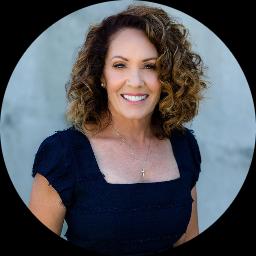
Rachel Roger, LCSW
Licensed in New York 6 years in practice Online sessions
LCSW - Anxiety and relationship concerns
About Rachel
Rachel Roger is a New York licensed clinical social worker (LCSW) with six years of professional experience. She works with people who are dealing with stress, anxiety, relationship problems, eating concerns, and depression. Rachel also helps clients coping with life changes, grief, trauma and abuse, and issues around intimacy and sleeping.
She uses clear, practical strategies in sessions. Rachel draws from Cognitive Behavioral Therapy (CBT) to help people spot unhelpful thoughts and try different responses.
Background and approach
She also uses ideas from Dialectical Behavior Therapy (DBT) when skills for emotion regulation and distress tolerance are needed. Sessions are focused on what is getting in the way now. Conversations aim to identify patterns of thinking and behavior that keep problems going.
Rachel works with clients to set small, testable goals and practice new habits between meetings. She pays attention to how past attachment and abandonment experiences can shape current relationships and self-image. Body image, eating and family of origin issues are addressed with direct behavioral steps and problem-solving tools.
The approach is collaborative and structured. Rachel helps people break larger problems into manageable tasks. This can include short experiments, tracking mood and behavior, and learning concrete coping skills.
Clients who want a focused, skills-based approach often find this style helpful. To begin, follow the site's process to complete a short questionnaire and schedule a first session.
What Rachel works with
The areas Rachel lists on their profile, in their own terms. If what you would like to work on is not on the list, it is fine to ask about it.
- Stress, Anxiety
- Relationship issues
- Eating disorders
- Depression
- Coping with life changes
- LGBT
- Family conflicts
- Trauma and abuse
- Grief
- Intimacy-related issues
- Sleeping disorders
- Parenting issues
- Anger management
- Self esteem
- Career difficulties
- Bipolar disorder
- Compassion fatigue
- ADHD
- Abandonment
- Attachment issues
- Body image
- Cancer
- Caregiver issues and stress
- Co-morbidity
- Codependency
- Communication problems
- Control issues
- Coping with natural or human-caused disaster
- Dissociation
- Divorce and separation
- Eating and food-related issues
- Family of origin issues
- Guilt and shame
- Impulsivity
- Infidelity
- Isolation / loneliness
- Jealousy
- Life purpose
- Mood disorders
- Obsessions, compulsions, and OCD
- Panic disorder and panic attacks
- Paranoia
- Personality disorders
- Postpartum depression
- Post-traumatic stress
- Pregnancy and childbirth
- Seasonal Affective Disorder (SAD)
- Self-harm
- Self-love
- Social anxiety and phobia
- Women's issues
- Workplace issues
- Young adult issues
Methods Rachel lists
- Cognitive Behavioral Therapy (CBT)
- Dialectical Behavior Therapy (DBT)
Listing an approach is not evidence of training in it. This directory shows what each therapist names and does not check training records.
How CBT and DBT inform online sessions
Rachel commonly uses Cognitive Behavioral Therapy to map links between thoughts, feelings, and actions and to set small behavioral experiments that test new ways of responding. CBT is practical and helps when anxiety, depression, or unhelpful habits are the primary concern.She also draws on Dialectical Behavior Therapy skills to teach emotion regulation, distress tolerance, and interpersonal effectiveness. DBT skills can be useful when strong emotions or relationship difficulties make it hard to act on goals.
Finding the right approach is part of the work. Rachel will collaborate with each person to decide which techniques to try first based on problems, goals, and preferences. That choice may shift as new information emerges during sessions.
Confirm the therapist's available session formats before booking so you know how meetings will be scheduled. Online work can make it easier to fit sessions into a busy life, allow shorter check-ins when needed, and let people use tools like screen-sharing for worksheets or mood tracking. These practical features are intended to help clients apply skills between sessions and keep progress moving.
We will earn a commission if you sign up through our link, at no cost to you. It does not change what you pay or the order of the listings.
Questions people ask about Rachel
What issues does she commonly address?
She works with stress, anxiety, relationship problems, eating concerns, depression, grief, trauma, and related areas such as body image and attachment.
How does she use CBT in sessions?
Rachel uses Cognitive Behavioral Therapy to help clients notice unhelpful thoughts and try alternative responses through concrete exercises and short behavioral experiments.
What is her professional background?
She holds a New York LCSW and has six years of clinical experience working with a range of mood, relationship, and trauma-related concerns.
Where is she based and licensed?
She is licensed as an LCSW in New York and practices under that credential.
Does she offer sessions in other languages or internationally?
Sessions are offered in English, and she does not accept international clients at this time.
What session formats are offered?
Confirm current session options before booking to learn which formats are available for scheduling.
How are sessions paid for?
Cost varies with location and sessions use a subscription model that can be canceled at any time.
How do I begin working with her?
Select the See online therapy options button, complete the short matching questionnaire, and schedule a first session.