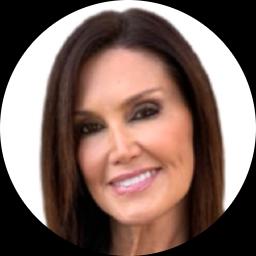
Therapist profile
Raymond DiCiccio, LCSW
Licensed in California 4 years in practice Online sessions
Licensed Clinical Social Worker - Stress and Addictions
About Raymond
Raymond DiCiccio is a Licensed Clinical Social Worker (LCSW) in California with four years of experience as a therapist. He focuses on stress, anxiety, addictions, self-esteem, coping with life changes, and compassion fatigue. He also addresses related concerns such as abandonment, attachment and commitment issues, caregiver stress, chronic illness, and separation.
He approaches therapy in a straightforward way. Sessions look at what keeps problems going and test small changes that can feel different.
Background and approach
Raymond uses Cognitive Behavioral Therapy, Acceptance and Commitment Therapy, Client-Centered techniques, Emotionally-Focused work, and Existential ideas to guide conversations and exercises. He helps people notice unhelpful thoughts and habits, and then try practical alternatives. That might include tracking patterns between situations, thoughts, feelings, and actions, or practicing new ways of communicating and setting boundaries.
He also helps people increase motivation and build self-confidence. Raymond draws on experience with addiction and dependency issues to address cravings, triggers, and relapse risk. He supports coping with medical conditions, caregiving stress, and the strains of major life changes.
Work may include problem-focused skill building and values-based goal setting. Sessions are conversational and task-focused. Clients can expect clear goals, homework or practice between meetings, and regular check-ins to see what is working.
The first session reviews current concerns and plans next steps.
What Raymond works with
The areas Raymond lists on their profile, in their own terms. If what you would like to work on is not on the list, it is fine to ask about it.
- Stress, Anxiety
- Addictions
- Self esteem
- Coping with life changes
- Compassion fatigue
- Abandonment
- Aging and geriatric issues
- Attachment issues
- Blended family issues
- Cancer
- Caregiver issues and stress
- Chronic pain, illness, and disability
- Co-morbidity
- Codependency
- Commitment issues
- Communication problems
- Control issues
- Coping with natural or human-caused disaster
- Dependent personality
- Divorce and separation
- Drug and alcohol addiction
- Eating and food-related issues
- Family of origin issues
- Family problems
- Forgiveness
- Guilt and shame
- HIV / AIDS
- Hoarding
- Hospice and end-of-life counseling
- Impulsivity
- Infidelity
- Intellectual disability
- Isolation / loneliness
- Jealousy
- Life purpose
- Men's issues
- Midlife crisis
- Veteran and Armed Forces Issues
- Money and financial issues
- Panic disorder and panic attacks
- Post-traumatic stress
- Prejudice and discrimination
- Process addiction (porn, exercise, gambling)
- Seasonal Affective Disorder (SAD)
- Self-love
- Sexuality
- Smoking / vaping cessation
- Social anxiety and phobia
- Somatization
- Traumatic brain injury
- Workplace issues
- Young adult issues
Methods Raymond lists
- Cognitive Behavioral Therapy (CBT)
- Acceptance and Commitment Therapy (ACT)
- Client-Centered Therapy
- Emotionally-Focused Therapy (EFT)
- Existential Therapy
Listing an approach is not evidence of training in it. This directory shows what each therapist names and does not check training records.
How his approaches are used in online sessions
Raymond commonly uses Cognitive Behavioral Therapy and Acceptance and Commitment Therapy in his work. CBT focuses on identifying and testing unhelpful thoughts and behaviors, and it is often used for anxiety, stress, and addictive patterns. ACT emphasizes values and committed actions, helping people accept difficult feelings while moving toward goals that matter to them.Finding the right approach is part of the work. He will collaborate with each person to decide which methods fit their needs, goals, and preferences. That means trying techniques, checking results, and adjusting the plan together rather than committing to one path upfront.
Session formats are not specified in the biography, so confirm current session options before booking. Online sessions can make it easier to fit therapy into a busy schedule, allow shorter check-ins when time is limited, and reduce travel time. They also let clients use quieter surroundings, turn off video when preferred, or arrange times that match work and caregiving demands.
We will earn a commission if you sign up through our link, at no cost to you. It does not change what you pay or the order of the listings.
Questions people ask about Raymond
What concerns does he most often address?
He works with stress, anxiety, addictions, low self-esteem, coping with life changes, and compassion fatigue. He also addresses related issues like attachment, caregiver stress, chronic illness, and separation.
How would you describe his therapeutic style?
His approach is practical and task-focused. He helps clients identify unhelpful thoughts and habits and then tries small, concrete changes.
What level of experience does he have?
He has four years of professional experience as a therapist and extensive prior work in addiction counseling reported in his background.
What credential does he hold and where is he based?
He is an LCSW (Licensed Clinical Social Worker) in California.
Which languages are supported for sessions?
Sessions are offered in English.
Can people outside the U.S. work with him?
International clients are not currently accepted.
How are sessions paid for?
Cost varies with location and sessions use a subscription that can be canceled at any time.
How do I begin working with him?
Select the See online therapy options button, complete a short matching questionnaire, and schedule a first session.