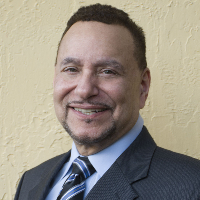
Ashley Gaines
LPC
Pennsylvania 20 years in practice
Licensed Professional Counselor - Anxiety and Stress
- Stress, Anxiety
- Relationship
- Trauma and abuse
Therapists who list CBT
2,216 therapists who list CBT also name chronic pain among the areas they work with. All offer sessions online; each profile shows their credentials as listed.
On this page you will find therapists who work with chronic pain and descriptions of approaches they list. Browse the listings below to view clinicians with different specialties, qualifications and languages.
Use the profiles to learn about approaches, focus areas and clinical experience to help you narrow your search.
LPC
Pennsylvania 20 years in practice
Licensed Professional Counselor - Anxiety and Stress
BACP
United Kingdom 5 years in practice
BACP counsellor - anxiety and stress support
United Kingdom 5 years in practice
BACP counsellor - anxiety and stress
LCSW, CSW
Colorado 12 years in practice
LCSW - Stress and anxiety support
LMHC
New York 11 years in practice
Licensed Mental Health Counselor - Anxiety and Eating Concerns
BACP
United Kingdom 14 years in practice
BACP counsellor - anxiety and relationships
BACP
United Kingdom 25 years in practice
BACP counsellor - anxiety and relationship support
ACA
Australia 4 years in practice
ACA counsellor - Stress and addictions
LICSW
Massachusetts 20 years in practice
LICSW - Stress and anxiety focus
LMHC
Florida 38 years in practice
Florida LMHC - Anxiety and life changes
NCPS
United Kingdom 4 years in practice
Counsellor - relationships and trauma
LMSW
Michigan 9 years in practice
LMSW - Anxiety and life changes
LCSW
California 10 years in practice
LCSW - Stress and anxiety support
LMHC, LMFT
Florida 30 years in practice English, Spanish
LMHC and LMFT - Anxiety and Trauma
LCSW
Florida 18 years in practice
LCSW - anxiety and addiction support
BACP, NCPS
United Kingdom 18 years in practice
Counsellor - Anxiety and Addictions
LCPC
Illinois 7 years in practice English, Spanish
Illinois LCPC - Anxiety and Relationships
LICSW
Minnesota 37 years in practice
LICSW - Stress and Trauma focused
LCSW, LISW
South Carolina 20 years in practice
LCSW LISW - Anxiety and Relationship Support
BACP
United Kingdom 10 years in practice
BACP counsellor - stress and anxiety
LCPC, LPC
Oklahoma 37 years in practice
Licensed counselor - anxiety and life changes
United Kingdom 10 years in practice English, Portuguese
BACP counsellor - anxiety and life changes
BACP
United Kingdom 17 years in practice
BACP counsellor - stress and anxiety
LISW
Ohio 31 years in practice
LISW - anxiety and life changes
BACP
United Kingdom 5 years in practice
Counsellor - stress and relationships
LMHC
Florida 20 years in practice English, Portuguese
LMHC - Addiction and anxiety care
LPC
Texas 8 years in practice
Licensed Professional Counselor - Anxiety and Trauma
LPC
Oklahoma 9 years in practice
Licensed Professional Counselor - Stress and Anxiety
NCPS
United Kingdom 5 years in practice
NCPS counsellor - anxiety and relationships
BACP
United Kingdom 12 years in practice
BACP therapist - anxiety and relationships
NCPS
United Kingdom 15 years in practice
Counsellor - relationships and anxiety
Michigan 25 years in practice
Licensed Professional Counselor - Stress and Anxiety
LPC
South Carolina 20 years in practice
Licensed Professional Counselor - Stress and Trauma
BACP, NCPS
United Kingdom 5 years in practice
Counsellor - Anxiety and relationships
BACP
United Kingdom 7 years in practice English, Urdu
BACP counsellor - grief and trauma focus
LMFT
Texas 16 years in practice
LMFT in Texas - Stress and Anxiety
LMSW
Michigan 24 years in practice English, Arabic
LMSW in Michigan - Anxiety and Relationships
BACP
United Kingdom 3 years in practice
Counsellor - anxiety and relationship support
LPCC
Ohio 24 years in practice
Ohio LPCC - Anxiety and Trauma
AASW
Australia 6 years in practice
AASW social worker - Stress and anxiety support
LCSW
Illinois 25 years in practice
LCSW in Illinois - anxiety and life changes
BACP
United Kingdom 8 years in practice
Counsellor - Anxiety and life changes
Texas 5 years in practice
LPC in Texas - relationships and trauma
AASW
Australia 15 years in practice
AASW social worker - stress and trauma support
LPC
Georgia 8 years in practice
Licensed Professional Counselor - Relationships and Trauma
LPC
Texas 13 years in practice
Licensed Professional Counselor - anxiety and trauma
LCSW-R
New York 13 years in practice
Licensed Clinical Social Worker - Stress and Anxiety
Alabama 41 years in practice
Licensed Professional Counselor - Anxiety and Addiction
Some links on this page are partner links. We will earn a commission if you sign up through one, at no cost to you. It does not change what you pay or the order of the listings.
When pain persists beyond the typical healing period or recurs over months and years, many people describe it as chronic pain. It can arise from a clear injury, from ongoing conditions such as arthritis or nerve-related issues, or sometimes without an obvious physical cause that explains the intensity you feel. Chronic pain often weaves itself into daily routines, shaping how you sleep, move, work and relate to others. Because pain taps into sensory, cognitive and emotional systems, it rarely exists in isolation - it influences motivation, concentration and your capacity for activities that used to feel manageable.
You may notice that pain affects more than your body. Social plans, household tasks and work responsibilities can become harder to sustain. Emotional strain is common, with worry about flares, frustration at limitations and grief for activities you miss. Partners, family members and colleagues may not always understand the experience, which can lead to tension or isolation. Therapy is one way to address the whole picture - not to remove pain instantly but to help you live with greater agency, manage stress related to pain and rebuild routines that support wellbeing.
If pain is accompanied by persistent low mood, escalating anxiety, withdrawal from activities you once enjoyed, or trouble sleeping, you might find therapy helpful. You might notice that pain influences how you interpret sensations - for example, expecting every ache to signal serious harm - or that coping strategies like avoidance and over-reliance on rest are limiting your function. When pain interacts with your thoughts and behaviors in ways that reduce your quality of life, intentional therapeutic work can offer new skills to respond differently.
Difficulty maintaining work tasks, recurring conflict with loved ones about roles and responsibilities, or a sense that pain determines your day-to-day choices are practical signs that therapy may help. Therapy can support pacing strategies so you gradually increase activity, communication skills to express needs without guilt, and problem-solving to redesign tasks. If you find yourself feeling stuck, overwhelmed or uncertain which step to take next, a therapist can help you map options and set realistic goals informed by your specific situation.
Early sessions usually focus on understanding your pain history, how symptoms affect your life, and what you hope to change. A thorough conversation often covers medical background, daily routines, sleep patterns, mood, and sources of stress. You and the therapist will typically set specific, achievable goals that may include increasing movement, improving sleep, reducing worry about pain, or rebuilding social connections. Therapy is most effective when you and the clinician work together to prioritize what matters most to you.
Therapy for chronic pain tends to move at a pace that respects flare-ups and variability in symptoms. Sessions often include education about pain mechanisms in everyday language, practice of coping strategies, and reflection on progress. You may be given short, practical exercises to try between sessions such as activity charts, relaxation practices, or thought-recording tasks to notice patterns in mood and behavior. Over time you can expect adjustments to plans based on what helps and what does not, with the therapist supporting you in learning to assess and respond to physical and emotional signals.
Cognitive-behavioral strategies are frequently used to address the links between thoughts, feelings and pain-related behaviors. In practice, this may involve identifying unhelpful beliefs about pain, experimenting with graded activity to reduce avoidance, and building a schedule that balances rest and movement. On therapist profiles you will often see clinicians who list cognitive behavioral therapy among their approaches. These therapists typically incorporate techniques aimed at changing patterns that maintain distress and reduced function.
Some therapists emphasize acceptance and present-moment awareness as a way to reduce struggle with pain. When a clinician lists acceptance and commitment therapy or mindfulness-based approaches among their methods, they may guide you to notice sensations and thoughts without getting entangled, while clarifying values that motivate meaningful action. These approaches aim to increase psychological flexibility - the ability to act in line with what matters to you even when pain is present.
Therapists who list somatic or body-aware approaches among their approaches may focus on how tension, posture and movement patterns relate to your experience. For some people, addressing the body's nervous system and learning regulated movement is helpful. Therapists who note trauma-informed approaches among their approaches will attend to safety, pacing and the ways past experiences can influence pain responses. You may also see clinicians who list EMDR among their approaches; when this appears on a profile it indicates that EMDR is one of the methods they use with some clients, which you can inquire about when contacting a clinician.
Online therapy typically uses video or telephone sessions, which can reduce travel demands and make it easier to fit care into your day. Sessions may include guided exercises, education, movement demonstrations and real-time problem solving. You should plan for a quiet, comfortable environment where you can speak and, if needed, move without interruptions. Technology varies by clinician - some use supported portals for notes and messaging, while others focus on live sessions - so check profile details about formats and communication methods before reaching out.
When selecting a therapist, focus on their experience with chronic pain, the approaches they list, and whether their style matches your preferences. Look for clinicians who mention working with conditions similar to yours or who describe goals that align with what you want to achieve. Consider credentials and professional licensure, languages spoken, and any notes about working with specific populations such as older adults, athletes or people recovering from surgery. Reading therapist descriptions can give you a sense of whether their focus is more educational, skills-based, movement-oriented or acceptance-oriented.
Think about practicalities like session length, time zone differences and whether you prefer video or phone conversations. Prepare a brief summary of your pain history and current challenges to share when you first contact a clinician so you can gauge how they conceptualize your situation. It is reasonable to ask how they approach chronic pain, what kinds of strategies they typically use, and how they measure progress. Over time you will learn which techniques help you most and can refine goals with your therapist to match your changing needs.
Finding the right clinician for chronic pain can feel like a process, but clarity about your priorities and an understanding of common approaches will make that process more manageable. Use the listings below to compare focus areas, approaches and professional backgrounds so you can select a therapist whose style and experience fit your goals.