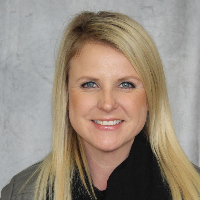
Therapist profile
Susan St Vrain, LMHC
Licensed in Washington 30 years in practice Online sessions
LMHC in Washington - Anxiety and Trauma
About Susan
Susan St Vrain is a Washington state Licensed Mental Health Counselor (LMHC) with 30 years of clinical experience working with stress, anxiety, trauma and abuse, grief, depression, ADHD, and other life changes. She practices from a background that includes trauma-informed methods and body-centered approaches. Sessions emphasize practical skills and steady steps forward.
Susan uses a mix of short-term strategies and longer-term work. She draws on Cognitive Behavioral Therapy (CBT) alongside Acceptance and Commitment Therapy (ACT) and attachment-informed ideas.
Background and approach
She also brings mindfulness, somatic practices, therapeutic yoga, and movement into sessions for people who find body-focused methods helpful. Her style is collaborative and solution oriented. She treats clients as the experts on their lives and focuses on observable habits, thoughts, and behaviors that can be changed.
Conversations often include concrete tools to notice unhelpful thinking and to try different responses to stress and low mood. Susan has worked with a wide range of concerns including sleep problems, parenting strain, caregiver stress, first responder issues, relationship and communication problems, and mood disorders such as bipolar and disruptive mood dysregulation disorder.
She also addresses adoption and foster care, abandonment, attachment issues, and body image concerns. Practical work may include learning behavioral experiments, mindfulness practices, movement-based exercises, and communication skills. Clients who prefer a mix of talking and embodied practices may find this combination useful.
Before scheduling, confirm current session formats and any administrative details.
What Susan works with
The areas Susan lists on their profile, in their own terms. If what you would like to work on is not on the list, it is fine to ask about it.
- Stress, Anxiety
- Trauma and abuse
- Grief
- Depression
- ADHD
- Relationship issues
- Family conflicts
- Sleeping disorders
- Parenting issues
- Anger management
- Self esteem
- Career difficulties
- Bipolar disorder
- Coping with life changes
- Coaching
- Compassion fatigue
- Abandonment
- Adoption and foster care
- Aging and geriatric issues
- Attachment issues
- Body image
- Caregiver issues and stress
- Codependency
- Commitment issues
- Communication problems
- Control issues
- Disruptive Mood Dysregulation Disorder (DMDD)
- Family of origin issues
- Family problems
- First responder issues
- Forgiveness
- Guilt and shame
- Infidelity
- Isolation / loneliness
- Jealousy
- Life purpose
- Midlife crisis
- Veteran and Armed Forces Issues
- Mood disorders
- Multicultural concerns
- Panic disorder and panic attacks
- Phobias
- Postpartum depression
- Post-traumatic stress
- Seasonal Affective Disorder (SAD)
- Self-love
- Somatization
- Traumatic brain injury
- Women's issues
- Young adult issues
Methods Susan lists
- Cognitive Behavioral Therapy (CBT)
- Acceptance and Commitment Therapy (ACT)
- Attachment-Based Therapy
- Client-Centered Therapy
- Emotionally-Focused Therapy (EFT)
- Existential Therapy
- Hypnotherapy
- Mindfulness Therapy
- Motivational Interviewing
Listing an approach is not evidence of training in it. This directory shows what each therapist names and does not check training records.
How her approaches work in online sessions
CBT is a practical method that looks at the link between thoughts, behaviors, and feelings. Online CBT sessions tend to focus on identifying unhelpful thinking patterns, testing beliefs with small behavioral experiments, and practicing skills between sessions to reduce anxiety and low mood.Acceptance and Commitment Therapy (ACT) emphasizes values and committed action rather than trying to eliminate difficult feelings. In ACT work, clients learn to notice thoughts and feelings without getting stuck in them and to take steps that match what matters most to them.
Attachment-based ideas guide work on relationship patterns and communication. This approach helps people recognize recurring interaction habits and try new ways of connecting or setting boundaries.
Deciding which approach to use is collaborative. The therapist and client will review goals, preferences, and what has helped in the past to pick a mix of strategies. That selection can shift as the work progresses.
The biography does not state which online formats are provided, so confirm available session types before booking. Online sessions can make it easier to fit appointments into a busy schedule, allow shorter check-ins when needed, and reduce travel time. They also support using worksheets, recorded mindfulness practices, and movement exercises between meetings to reinforce progress.
We will earn a commission if you sign up through our link, at no cost to you. It does not change what you pay or the order of the listings.
Questions people ask about Susan
What concerns does she address most often?
Susan helps people with stress, anxiety, trauma and abuse, grief, depression, ADHD, sleep problems, parenting strain, and related life changes.
How would you describe her therapeutic style?
Her style is collaborative and solution oriented, combining practical exercises with body-focused practices like mindfulness and movement.
How much experience does she bring?
She has 30 years of professional experience working with a wide range of mental health and life transition concerns.
What credential does she hold and where is she based?
She is a Washington LMHC and practices in Washington state.
Which languages are sessions offered in?
Sessions are offered in English.
Can international clients work with her?
She is not currently accepting international clients.
What session formats are available?
Confirm current session formats before booking, as the biography does not specify which formats are offered.
How are fees handled?
Cost varies with location and sessions use a subscription that can be canceled at any time.