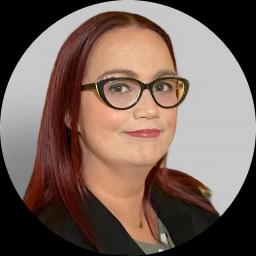
Therapist profile
Zachary Boone, LCSW
Licensed in Kentucky 3 years in practice Online sessions
LCSW - Stress and Relationship Concerns
About Zachary
Zachary Boone is a Licensed Clinical Social Worker (LCSW) practicing in Kentucky with three years of clinical experience. Zachary works with people dealing with stress, anxiety, relationship concerns, trauma and abuse, grief, and major life changes. He welcomes LGBTQ+ clients and centers respect for identity in his work.
He uses practical, evidence-informed methods such as Cognitive Behavioral Therapy and Acceptance and Commitment Therapy alongside client-centered and mindfulness-based approaches. Sessions focus on noticing unhelpful thoughts and habits, trying small behavioral experiments, and building skills for managing strong emotions.
Background and approach
Conversations are straightforward and action oriented rather than abstract. Zachary also addresses caregiver stress, blended family challenges, chronic illness and pain, hospice and end-of-life concerns, and communication or commitment problems. He can help people who are coping with impulsivity, self-harm histories, mood or personality concerns, and post-traumatic stress.
The work often includes concrete steps to reduce distress and improve daily functioning. In practice he blends motivational interviewing with somatic and mindfulness techniques when helpful. That can look like brief exercises to notice bodily tension, skills to interrupt automatic reactions, and clear goal-setting between sessions.
The focus is on manageable changes to daily routines and relationships. To begin, people complete a short matching questionnaire and schedule a first session. The therapist’s stated approach emphasizes direct collaboration, practical tools, and attention to values and identity throughout the work.
What Zachary works with
The areas Zachary lists on their profile, in their own terms. If what you would like to work on is not on the list, it is fine to ask about it.
- Stress, Anxiety
- Relationship issues
- Trauma and abuse
- Grief
- Coping with life changes
- Blended family issues
- Caregiver issues and stress
- Chronic pain, illness, and disability
- Commitment issues
- Communication problems
- Domestic violence
- Emptiness
- Family problems
- Hospice and end-of-life counseling
- Impulsivity
- Life purpose
- Mood disorders
- Personality disorders
- Post-traumatic stress
- Self-harm
- Self-love
- Sexual assault and abuse
- Sexuality
- Social anxiety and phobia
Methods Zachary lists
- Cognitive Behavioral Therapy (CBT)
- Acceptance and Commitment Therapy (ACT)
- Client-Centered Therapy
- Mindfulness Therapy
- Motivational Interviewing
- Somatic Therapy
Listing an approach is not evidence of training in it. This directory shows what each therapist names and does not check training records.
How CBT, ACT, and client-centered work translate online
Zachary commonly uses Cognitive Behavioral Therapy, which focuses on identifying unhelpful thoughts and testing different responses. CBT sessions often include short experiments and homework to practice new behaviors between meetings.He also draws on Acceptance and Commitment Therapy, which helps people clarify what matters to them and take committed actions toward those values. ACT can be useful for managing distress when problems can’t be immediately solved.
Client-centered therapy appears as a straightforward, listening-based stance that keeps the person’s goals and values central. Combined with CBT or ACT, it keeps the work grounded in what each person finds meaningful.
Finding the right mix of approaches is part of the process. The therapist works collaboratively to choose methods that match a person’s goals, preferences, and day-to-day constraints. That may mean focusing on skills practice one week and values-based action the next.
Session formats are not specified in the biography, so prospective clients should confirm current online options before booking. In general, online sessions can make it easier to fit therapy into a busy schedule, allow shorter check-ins when needed, and reduce travel time. The therapist will discuss which session rhythm and format make the most sense for practical needs and goals.
We will earn a commission if you sign up through our link, at no cost to you. It does not change what you pay or the order of the listings.
Questions people ask about Zachary
What concerns does he help with most often?
He works with stress, anxiety, relationship concerns, trauma and abuse, grief, and coping with life changes. Additional focuses include caregiver stress, blended family issues, chronic illness and pain, and communication problems.
How would he describe his therapy style?
He uses practical, structured approaches such as Cognitive Behavioral Therapy and Acceptance and Commitment Therapy alongside client-centered and mindfulness methods. Sessions aim to notice unhelpful thoughts, try new responses, and practice concrete skills.
What is his background and experience?
He holds a Licensed Clinical Social Worker credential and has three years of clinical experience in Kentucky. His work has focused on mood, trauma, and life transition concerns.
Where is he licensed and where does he practice?
He is an LCSW licensed in Kentucky and practices in that state.
Which languages are supported in sessions?
Sessions are offered in English.
Can people outside the U.S. work with him?
International clients are not accepted at this time.
How are fees and payments handled?
Cost varies with location and sessions use a subscription model that can be canceled at any time. Exact pricing depends on the chosen subscription tier and locale.
What steps are required to start therapy?
Prospective clients should select the See online therapy options button, complete a short matching questionnaire, and then schedule their first session.