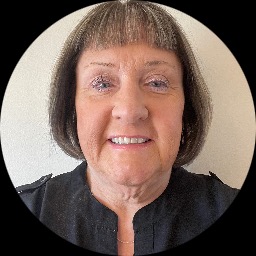
Therapist profile
Patricia Robbins, BACP, NCPS
Registered with BACP, NCPS 18 years in practice Online sessions
Counsellor - Anxiety and Addictions
About Patricia
Patricia Robbins is a counsellor with BACP and NCPS accreditation and has worked in therapy for 18 years. She helps people with stress, anxiety, depression, addictions and a range of other concerns listed in her profile. Sessions focus on practical steps and clearer thinking to make everyday life easier.
Her practice mixes evidence-informed approaches such as Cognitive Behavioural Therapy (CBT) with Acceptance and Commitment Therapy (ACT), Attachment-Based and client-centred ways of working.
Background and approach
She aims to keep conversations plain and focused. That means spotting patterns in thoughts and habits, then practising alternatives together. Patricia commonly helps with relationship and intimacy issues, grief, trauma and abuse, and neurodiversity-related concerns such as autism and ADHD.
She also supports people dealing with chronic pain, caregiving stress, body image and work-related pressures. Descriptions of problems are taken from the person’s own experience rather than labels. Her sessions often include short practical exercises, behavioural experiments and straightforward skills to manage mood, sleep and cravings.
Clients can expect clear explanations of techniques and regular review of progress so adjustments can be made where needed. Patricia works with individual adults and accepts international clients who communicate in English. The fees vary by location and use a subscription model that can be cancelled at any time.
To begin, prospective clients complete a short matching questionnaire and schedule a first session via the site.
What Patricia works with
The areas Patricia lists on their profile, in their own terms. If what you would like to work on is not on the list, it is fine to ask about it.
- Stress, Anxiety
- Addictions
- Self esteem
- Depression
- ADHD
- LGBT
- Relationship issues
- Family conflicts
- Trauma and abuse
- Grief
- Intimacy-related issues
- Eating disorders
- Sleeping disorders
- Parenting issues
- Anger management
- Career difficulties
- Bipolar disorder
- Coping with life changes
- Compassion fatigue
- Abandonment
- Antisocial personality
- Attachment issues
- Autism and Asperger Syndrome
- Avoidant personality
- Blended family issues
- Body image
- Caregiver issues and stress
- Chronic pain, illness, and disability
- Co-morbidity
- Codependency
- Commitment issues
- Communication problems
- Control issues
- Coping with natural or human-caused disaster
- Dependent personality
- Disruptive Mood Dysregulation Disorder (DMDD)
- Dissociation
- Divorce and separation
- Domestic violence
- Drug and alcohol addiction
- Eating and food-related issues
- Emptiness
- Family of origin issues
- Family problems
- Fatherhood issues
- Fertility issues
- Forgiveness
- Guilt and shame
- Hoarding
- Impulsivity
- Infidelity
- Intellectual disability
- Isolation / loneliness
- Jealousy
- Life purpose
- Midlife crisis
- Veteran and Armed Forces Issues
- Money and financial issues
- Mood disorders
- Multicultural concerns
- Narcissism
- Obsessions, compulsions, and OCD
- Panic disorder and panic attacks
- Paranoia
- Personality disorders
- Phobias
- Post-traumatic stress
- Pregnancy and childbirth
- Prejudice and discrimination
- Process addiction (porn, exercise, gambling)
- Seasonal Affective Disorder (SAD)
- Self-harm
- Self-love
- Sex addiction
- Sexual assault and abuse
- Sexual dysfunction
- Smoking / vaping cessation
- Social anxiety and phobia
- Traumatic brain injury
- Women's issues
- Workplace issues
- Young adult issues
Methods Patricia lists
- Cognitive Behavioural Therapy (CBT)
- Acceptance and Commitment Therapy (ACT)
- Attachment-Based Therapy
- Client-Centred Therapy
- Dialectical Behaviour Therapy (DBT)
- Emotionally-Focused Therapy (EFT)
- Existential Therapy
- Mindfulness Therapy
- Motivational Interviewing
- Psychodynamic Therapy
- Solution-Focused Therapy
- Trauma-Focused Therapy
Listing an approach is not evidence of training in it. This directory shows what each therapist names and does not check training records.
How CBT, ACT and attachment work in online sessions
Patricia uses Cognitive Behavioural Therapy to help people spot unhelpful thoughts and try practical changes. CBT is about identifying thought patterns, testing small changes and building new habits to reduce anxiety, low mood or problematic behaviours.She also uses Acceptance and Commitment Therapy which focuses on values and taking manageable action even when uncomfortable feelings are present. ACT can help when people want to live by their priorities despite ongoing stress or pain. Attachment-Based work looks at how early relationships affect current close connections and helps people recognise and change repetitive interaction patterns.
Choosing the right approach is part of therapy. Patricia works with clients to decide which methods fit their goals, needs and personal preferences. That discussion is collaborative and reviewed as therapy progresses.
The original biography did not specify session formats, so confirm the available options before booking. Online sessions can make it easier to fit therapy into busy days, allow shorter check-ins when needed and reduce travel time. Registered or accredited professionals can offer structured, skills-based work remotely that focuses on practical steps and regular review.
We will earn a commission if you sign up through our link, at no cost to you. It does not change what you pay or the order of the listings.
Questions people ask about Patricia
What kinds of problems does she help with?
She works with stress, anxiety, depression, addictions and many related areas such as relationship issues, grief, trauma and ADHD.
How does she use Cognitive Behavioural Therapy?
She uses CBT to identify unhelpful thinking and habits, then tests small changes in thinking and behaviour to see what helps day to day.
How long has she practised?
She has worked in therapy for 18 years and draws on that experience when choosing practical techniques for each person.
What are her credentials and where is she based?
She is accredited with BACP and NCPS and practises from the United Kingdom.
Can I work with her if I live outside the UK?
International clients are accepted and sessions are offered in English.
What session formats are offered?
The original biography does not list session formats; please confirm current session options before booking.
How do fees work?
Fees vary with location and sessions use a subscription model that can be cancelled at any time.
How do I start a first session?
Select the See online therapy options button, complete a short matching questionnaire, and schedule a first session.