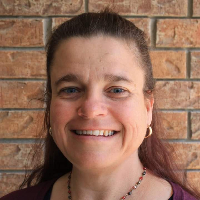
Arkansas 23 years in practice
LPC in Arkansas - Stress and Relationship Issues
- Stress, Anxiety
- Trauma and abuse
- Anger
Therapists who list CBT
61 therapists licensed in Arkansas list CBT among their approaches. Each profile shows the license and NPI as listed. Sessions are online.
Welcome to our directory of licensed online therapists serving Arkansas. All therapists listed here are licensed in Arkansas - explore profiles, filter by approaches and focus areas, and learn more about each clinician to find a good match.
Arkansas 23 years in practice
LPC in Arkansas - Stress and Relationship Issues
LCSW
Arkansas 5 years in practice
Licensed Clinical Social Worker - Stress and Anxiety
LCSW
Arkansas 30 years in practice
LCSW - stress and anxiety focused
LPC
Arkansas 30 years in practice
LPC in Arkansas - Addictions and Trauma
LCSW
Arkansas 15 years in practice
Arkansas LCSW - Stress and Anxiety
LCSW-C, LCSW
Arkansas 44 years in practice
Licensed Certified Social Worker - anxiety and trauma
Arkansas 6 years in practice
LPC focused on anxiety and depression
LCSW
Arkansas 8 years in practice
LCSW in Arkansas - Anxiety and Perinatal Concerns
LCSW
Arkansas 15 years in practice
Licensed Clinical Social Worker - Stress and Anxiety
LPC
Arkansas 8 years in practice
Licensed Professional Counselor - Anxiety and Trauma
Arkansas 40 years in practice
Dr. Antimoore Jackson LCSW - Stress and Addiction
Arkansas 20 years in practice
Licensed Professional Counselor - relationships and self esteem
LPC
Arkansas 5 years in practice
LPC counselor - stress and anxiety support
LPC
Arkansas 9 years in practice
Licensed LPC - Anxiety and Depression
LPC
Arkansas 3 years in practice
Arkansas LPC - anxiety and life changes
LCSW
Arkansas 17 years in practice
LCSW in Arkansas - mood and trauma concerns
LPC
Arkansas 14 years in practice
Licensed Professional Counselor - Anxiety and Trauma
LCSW
Arkansas 24 years in practice
LCSW - Stress and Anxiety focus
LPC
Arkansas 7 years in practice
Arkansas LPC - Stress and Anxiety
LPC
Arkansas 21 years in practice
LPC counselor - stress and relationships
LCSW
Arkansas 16 years in practice
Licensed Clinical Social Worker - Anxiety and Mood
LCSW
Arkansas 19 years in practice
LCSW - Anxiety and Trauma
LCSW
Arkansas 18 years in practice
LCSW in Arkansas - Stress and mood concerns
LPC
Arkansas 24 years in practice
Licensed Professional Counselor - Anxiety and Trauma
Arkansas 4 years in practice
LPC - Stress and anxiety support
LPC
Arkansas 13 years in practice
LPC in Arkansas - Stress and relationships
Arkansas 8 years in practice
LPC in Arkansas - relationship and trauma focus
LPC
Arkansas 14 years in practice
LPC - stress and anxiety work
Arkansas 24 years in practice
LPC in Arkansas - stress and family concerns
LCSW
Arkansas 20 years in practice
LCSW - Stress and mood concerns
LPC
Arkansas 32 years in practice
LPC in Arkansas - mood and stress concerns
LPC
Arkansas 5 years in practice
Licensed Professional Counselor - Stress and Anxiety
LPC
Arkansas 27 years in practice
Licensed Professional Counselor - Anxiety and Depression
LPC
Arkansas 8 years in practice
LPC in Arkansas - anxiety and parenting support
Arkansas 10 years in practice
Licensed Professional Counselor - Stress and Relationships
LPC, LMHC
Arkansas 20 years in practice
Licensed LPC LMHC - anxiety and relationships
LMFT
Arkansas 18 years in practice English, Russian
LMFT - Stress and anxiety support
LCSW
Arkansas 35 years in practice
LCSW - stress and relationship issues
LPC
Arkansas 13 years in practice
LPC in Arkansas - Stress and Mood Concerns
LICSW, LCSW
Arkansas 12 years in practice
LICSW LCSW - Practical CBT and solution focus
LPC
Arkansas 6 years in practice
Licensed Professional Counselor - Anxiety and Relationships
LPC
Arkansas 9 years in practice
LPC in Arkansas - Anxiety and Trauma focus
LPC
Arkansas 10 years in practice
Licensed Professional Counselor - Stress and trauma care
Arkansas 13 years in practice
LPC in Arkansas - Trauma and mood concerns
LCSW
Arkansas 5 years in practice
LCSW - Stress and Anxiety focus
LPC
Arkansas 8 years in practice
Licensed Professional Counselor - Stress and Trauma
LPC
Arkansas 50 years in practice
LPC in Arkansas - anxiety and addiction
LCSW
Arkansas 18 years in practice
LCSW - Anxiety and family concerns
Some links on this page are partner links. We will earn a commission if you sign up through one, at no cost to you. It does not change what you pay or the order of the listings.
Online therapy has become a common way to access mental health and behavioral services across Arkansas, including in both urban centers and rural communities. When you look for an online therapist for Arkansas, you will generally find clinicians who offer video or phone sessions from locations throughout the state. Many Arkansas-licensed clinicians use technology to provide ongoing care, short-term counseling and skill-building work in ways that mirror in-person approaches.
It is important to understand that licensing rules affect how online therapy is provided. Many states require the therapist to be licensed in the state where you live, so therapists who offer services to people in Arkansas will typically hold an Arkansas license. The legal and regulatory environment changes over time, so staying informed about current rules can help you navigate options with confidence. Within that framework, you can expect a range of professionals - including counselors, social workers and psychologists - who list different therapeutic approaches and specialties on their profiles.
Choosing online therapy can reduce common barriers that people face when seeking care. If you live in a rural county or travel frequently for work, online sessions can cut down on commute time and weather-related challenges. You can meet with a clinician while remaining in a comfortable environment of your choice - whether that is at home, at a friend or family member's house, or another setting where you feel at ease. This flexibility often makes it easier to maintain consistency with sessions when life gets busy.
Online therapy can also make it simpler to find a clinician who works with particular populations or issues. You may be able to find therapists who list experience with adolescent concerns, perinatal mental health, military-related transitions, or cultural and identity issues that matter to you. For some people, meeting with a clinician remotely feels less intimidating than attending an office, which can help you engage sooner in the work you want to do. While online delivery changes the logistics of a session, the therapeutic goals and techniques are often similar to what you would find in a face-to-face setting.
You can expect online therapists in Arkansas to address a wide span of emotional and behavioral concerns. Many people reach out for help with anxiety, depression, stress management and grief. You will also find clinicians who focus on trauma recovery, relationship and family issues, parenting challenges, and life transitions such as job change or relocation. Others specialize in managing chronic health concerns or working with adolescents and young adults through educational and social stressors.
Therapists in the directory often list a range of therapeutic approaches that they use in sessions. You may find therapists who list cognitive behavioral therapy - often shortened to CBT - among their approaches, or those who note dialectical behavior therapy - often shortened to DBT - mindfulness-based approaches, psychodynamic work, or solution-focused methods. If you are specifically interested in trauma-focused care, some clinicians list EMDR among their approaches; in other cases therapists will describe exposure-based, somatic, or narrative approaches. These labels describe the approaches a clinician uses rather than a guarantee of a particular credential or outcome. When you read profiles, look for language that explains how a clinician typically works with people and the kinds of goals they emphasize.
Verifying a therapist's license is an important step when you are considering online mental health care. Start by locating the license information on a therapist's profile - many clinicians include a current license type and number. Once you have that detail, you can use the Arkansas state licensing board's online resources to confirm the license status. Most state boards maintain an online search tool that lets you check whether a license is active, the license type such as LPC, LCSW, LMFT or psychologist, and the expiration date.
When you search the board database, look for notes about any disciplinary history, restrictions or public orders. Those records may include formal actions that the board has taken and can be an important part of your due diligence. If the online lookup does not answer your questions, you can call or email the licensing board to request clarification. It is reasonable to ask a prospective therapist for their license number and the state that issued it, and to confirm whether they are authorized to provide services to Arkansas residents. That direct exchange gives you a clear starting point for understanding the legal standing of a clinician's practice.
Beginning online therapy often starts with clarifying what you want to work on and what you value in a therapeutic relationship. Think about the issues you want to address, whether you prefer goal-oriented work or a more exploratory approach, and whether cultural, language or identity-related understanding is important to you. Use the directory to filter profiles by the approaches and focus areas that match your priorities, and read clinician bios to get a sense of how they describe their work. When you find profiles that seem like a good fit, reach out to ask initial questions and get a sense of tone and communication style.
Before your first session, decide where you will sit during the appointment and how you will minimize interruptions. Choose a comfortable setting where you can speak freely and have as few distractions as possible. Test your device's camera and microphone, and make sure you have a reliable internet connection for video calls. If you plan to use phone sessions, ensure your call will be personal and that you have good reception. It can help to write down a few goals or topics you want to address so you can focus time efficiently during the session.
When comparing clinicians, you may want to ask about their typical approach to therapy, the types of issues they work with most often, and what a few initial sessions might look like. You can also ask about their experience working with people who share similar backgrounds or concerns to yours. It is reasonable to inquire about logistical policies such as session length, fees and payment methods, how they handle cancellations and rescheduling, and whether they document sessions for other providers when requested. These practical questions will give you a clearer picture of fit without focusing on whether a clinician has immediate openings.
Choosing the right online therapist is a personal process. You might connect quickly with one clinician and prefer a different approach with another. Trust your impressions of communication style, empathy and clarity. Over time, the therapist-client relationship itself often becomes a key factor in how comfortable and effective the work feels. Take time to explore profiles, read how clinicians describe their focus areas and approaches, and reach out with questions so you can make an informed decision about who to work with.
Online therapy in Arkansas offers a range of options to meet different needs and preferences. By verifying licensure, understanding common approaches, preparing for your first session and asking practical questions, you can find a clinician who aligns with your goals and helps you take the next steps in your mental health journey.