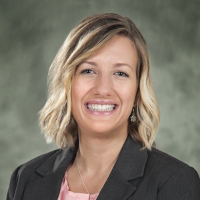
Therapist profile
James Harris, LPC
Licensed in Arkansas 5 years in practice Online sessions
Licensed Professional Counselor - Stress and Anxiety
About James
James Harris is a Licensed Professional Counselor (LPC) in Arkansas with five years of clinical experience. He works with people facing stress, anxiety, addictions, anger, depression, and major life changes. He focuses on practical steps people can use day to day to feel steadier.
He treats problems by looking at what people do and think in stressful moments. Sessions emphasize noticing unhelpful thoughts and habits, and then trying different responses.
Background and approach
That can include skills for managing strong emotions and ways to reduce urges related to addiction. James frames clients as experts on their own lives and looks for strengths to build on. He uses plain language and concrete tasks rather than long theory discussions.
Clients are likely to leave a session with at least one clear idea to try between meetings. His work draws on Cognitive Behavioral Therapy, Acceptance and Commitment Therapy, Dialectical Behavior Therapy, Client-Centered Therapy, and Existential Therapy. Those methods are used to develop practical coping skills, increase emotional awareness, and clarify what matters most to each person.
James applies these approaches to a wide range of difficulties, including relationship and attachment concerns, caregiver stress, chronic illness and pain, grief around separation or divorce, dissociation, and patterns such as codependency or control issues. He focuses on helping people make real, manageable changes in daily life.
What James works with
The areas James lists on their profile, in their own terms. If what you would like to work on is not on the list, it is fine to ask about it.
- Stress, Anxiety
- Addictions
- Anger management
- Depression
- Coping with life changes
- Abandonment
- Antisocial personality
- Attachment issues
- Blended family issues
- Caregiver issues and stress
- Chronic pain, illness, and disability
- Co-morbidity
- Codependency
- Commitment issues
- Communication problems
- Control issues
- Dependent personality
- Disruptive Mood Dysregulation Disorder (DMDD)
- Dissociation
- Divorce and separation
- Domestic violence
- Drug and alcohol addiction
- Emptiness
- Family of origin issues
- Family problems
- Fatherhood issues
- Forgiveness
- Guilt and shame
- Impulsivity
- Isolation / loneliness
- Life purpose
- Men's issues
- Midlife crisis
- Money and financial issues
- Mood disorders
- Narcissism
- Panic disorder and panic attacks
- Paranoia
- Personality disorders
- Post-traumatic stress
- Process addiction (porn, exercise, gambling)
- Self-harm
- Self-love
- Sexual assault and abuse
- Sexuality
- Social anxiety and phobia
- Workplace issues
- Young adult issues
Methods James lists
- Cognitive Behavioral Therapy (CBT)
- Acceptance and Commitment Therapy (ACT)
- Client-Centered Therapy
- Dialectical Behavior Therapy (DBT)
- Existential Therapy
- Mindfulness Therapy
- Motivational Interviewing
- Solution-Focused Therapy
- Trauma-Focused Therapy
Listing an approach is not evidence of training in it. This directory shows what each therapist names and does not check training records.
How his approaches translate to online sessions
James uses Cognitive Behavioral Therapy to help people spot unhelpful thoughts and change patterns of behavior. CBT breaks problems into thoughts, feelings, and actions so clients can test small behavior changes and notice what helps reduce symptoms.He also draws on Acceptance and Commitment Therapy, which focuses on clarifying values and taking actions that matter even when feelings are difficult. That approach is useful for ongoing struggles like chronic pain or persistent anxiety. Client-Centered Therapy appears in his work as a way to listen closely and reflect what matters to each person, keeping the process collaborative and grounded in the client’s goals.
Finding the right mix of methods is part of the work. He will help clients decide together which approaches to try based on the client’s needs, goals, and preferences. That decision happens in early sessions and can change as progress is reviewed.
The biography does not specify which online formats he uses, so confirm current session options before booking. When arranging remote sessions, practical benefits can include easier scheduling around work or caregiving, shorter check-ins when only brief follow-up is needed, and fewer travel logistics. These factors can make it simpler to keep therapy consistent alongside everyday life.
We will earn a commission if you sign up through our link, at no cost to you. It does not change what you pay or the order of the listings.
Questions people ask about James
What concerns does he commonly address?
He works with stress, anxiety, addictions, anger, depression, and coping with life changes. Additional focus areas include attachment issues, caregiver stress, chronic pain or illness, and separation or divorce.
How would he describe his therapeutic style?
He uses straightforward, task-focused sessions that emphasize noticing thoughts and trying new responses. Sessions typically include practical exercises to use between meetings.
How much clinical experience does he have?
He has five years of professional work experience as an LPC. That experience has included helping people with emotional regulation and addiction-related concerns.
What credential and location apply to his practice?
He is a Licensed Professional Counselor (LPC) licensed in Arkansas and practices there.
Which languages are supported and can international clients work with him?
Sessions are offered in English. He does not accept international clients at this time.
What session formats are offered?
The biography does not list specific session formats. Please confirm the current session options before booking.
How does pricing work?
Cost varies with location and sessions use a subscription model that can be canceled at any time.
What are the first steps to begin?
Select the See online therapy options button, complete a short matching questionnaire, and schedule a first session.