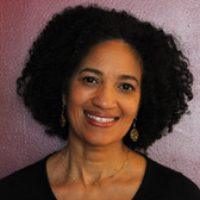
Cheryl Marrow
LPC, LMFT
District of Columbia 25 years in practice
LPC and LMFT - Relationships and Addictions
- Addictions
- Relationship
- Family
Therapists who list CBT
22 therapists licensed in District of Columbia list CBT among their approaches. Each profile shows the license and NPI as listed. Sessions are online.
Welcome to CBTTherapistsOnline.org's District of Columbia directory, created to help you find licensed online therapists who work with DC residents. All listed therapists are licensed in the District - explore profiles to compare approaches, languages, and experience and find a good match.
LPC, LMFT
District of Columbia 25 years in practice
LPC and LMFT - Relationships and Addictions
LICSW, LCSW-C
District of Columbia 29 years in practice
LICSW in District of Columbia - Anxiety and Stress
LICSW
District of Columbia 30 years in practice
LICSW in District of Columbia - anxiety and relationships
LICSW, LCSW
District of Columbia 23 years in practice
LICSW therapist - grief and transitions
LICSW
District of Columbia 5 years in practice
LICSW - Anxiety and Stress
LPC
District of Columbia 19 years in practice
Licensed Professional Counselor - Trauma and Relationship issues
LPC
District of Columbia 33 years in practice
LPC in DC - Anxiety and Depression
LPC
District of Columbia 10 years in practice
Licensed Professional Counselor - Relationships and Life Changes
LCPC, LPC
District of Columbia 26 years in practice
Licensed Clinical Professional Counselor - Stress and Anxiety
LPC
District of Columbia 14 years in practice
Licensed Professional Counselor - Relationships and Trauma
District of Columbia 20 years in practice
LPC in DC - relationships and trauma
LICSW, LCSW
District of Columbia 6 years in practice
Licensed clinical social worker - anxiety and depression
LICSW
District of Columbia 30 years in practice
LICSW in Washington DC - Adults, Trauma and Stress
LICSW
District of Columbia 10 years in practice
LICSW - Anxiety and Trauma-focused care
LPC
District of Columbia 20 years in practice
LPC in DC - stress and relationships
LICSW
District of Columbia 15 years in practice
LICSW - Relationships and Trauma
LICSW
District of Columbia 25 years in practice
LICSW - Stress and Trauma focus
LICSW
District of Columbia 24 years in practice
LICSW - Anxiety and Relationships
LCSW-C, LICSW
District of Columbia 15 years in practice
Licensed clinical social worker - anxiety and trauma
LCSW, LICSW
District of Columbia 4 years in practice
LCSW LICSW - Stress and relationship concerns
LICSW
District of Columbia 14 years in practice
LICSW - Stress and trauma support
DC Psychologist
District of Columbia 35 years in practice
DC Psychologist - Relationships and Mood
Some links on this page are partner links. We will earn a commission if you sign up through one, at no cost to you. It does not change what you pay or the order of the listings.
If you live in the District of Columbia and are considering online therapy, you have a variety of counseling styles and professional backgrounds to choose from. Online therapy in DC has grown to include clinicians who offer sessions by video and by phone, allowing you to connect from home, work, or another comfortable environment. While modes of delivery vary, many therapists describe their practice areas and approaches on their profiles so you can get a sense of how they work before reaching out. You should expect to see therapists who list cognitive behavioral approaches, psychodynamic perspectives, mindfulness-based methods, trauma-informed care, couples and family approaches, and other modalities among their approaches. Each profile typically notes languages spoken, populations served, and the kinds of concerns they often address.
Regulatory and practical details for online practice can change over time, so therapists often include clarifying notes on their profiles about the populations they serve and the geographic areas where they may provide services. When you search the listings, you can focus on therapists who list the approaches, experience, and identity-related competencies that matter most to you. This initial filtering can make it easier to identify a clinician whose style and focus align with your goals before you read more about their background.
Choosing online therapy can bring flexibility into your schedule and reduce the time you spend commuting, which is especially helpful in a busy urban environment like DC. You can attend sessions from a quiet room in your home, during a break at work, or from another location where you feel comfortable. For people juggling work, family, or transportation constraints, online sessions can make regular therapy more feasible and easier to sustain over time. In addition, online therapy expands the pool of therapists you can consider, including clinicians who list specialized approaches or language skills that might be harder to find locally.
Another advantage is the ability to prioritize certain match factors. If cultural understanding, shared language, or specific clinical experience matters to you, searching online profiles lets you compare those aspects across many clinicians. Some people find it easier to open up over video or phone when they are in a familiar setting. Others appreciate being able to test whether a therapist is a good fit without an initial commute. As you explore options, think about what aspects of therapy contribute most to feeling comfortable and understood - you can use those priorities to guide your search.
Online therapists serving the District of Columbia commonly work with a broad range of emotional and interpersonal concerns. Many profiles describe work with anxiety, depression, stress related to career or school, relationship challenges, grief and loss, and life transitions such as parenting changes or relocation. Therapists who list trauma-informed approaches often support people processing past or recent traumatic experiences, while others focus on health-related behavior change or long-term mood management. You will also find clinicians who work with couples and families to navigate communication patterns, boundary setting, and shared goals.
Some therapists highlight experience working with specific communities, age groups, or identity-related issues. If you are seeking support for matters related to identity, cultural adjustment, or LGBTQ+ concerns, you can look for clinicians who describe relevant experience or language skills on their profiles. Because each therapist presents their focus areas differently, reading profile descriptions closely will help you identify clinicians whose stated interests align with the concerns you want to address.
Verifying that a clinician holds an active license in the District of Columbia is an important step when choosing an online therapist. Many state and district licensing boards offer an online license lookup tool where you can enter a therapist's name or license number to confirm their licensure status, licensure type, and any public disciplinary history. Checking that a therapist's license is active and matches the discipline listed on their profile gives you a clearer picture of their legal authorization to practice in the District.
When you use a licensing lookup, pay attention to details such as the license type, expiration date, and any public actions recorded by the board. If you have questions about the information you find, the licensing board typically provides contact details for further inquiries. Remember that many jurisdictions require clinicians to hold a license in the state or district where the client is located at the time of service, so confirming District licensure is particularly relevant if you live in DC. If a therapist lists multiple jurisdictions on their profile, reviewing the licensing records can help you determine where they are authorized to practice.
Begin by clarifying your goals for therapy. Are you seeking help with a specific symptom, wanting to improve a relationship, or looking for ongoing support through a life transition? Having a sense of priorities will help you evaluate therapist profiles and identify clinicians who mention those focus areas. Take note of practical considerations too, such as whether you prefer sessions by video or by phone, which languages you are most comfortable using, and whether you will be using insurance or paying privately. These details will shape which profiles make the most sense for you to explore further.
When you contact a therapist you are interested in, many clinicians provide an initial intake form or a brief phone call to share logistical information about session length, fees, insurance filing, and technologies used for online meetings. Use this exchange to ask about the therapist's approach and what a typical first session might include. You do not need to disclose more than feels comfortable when you first reach out - a short description of what brings you to therapy and your practical needs is usually enough to begin a conversation.
For your first session, plan a quiet, comfortable setting where you can speak freely and minimize interruptions. Have a list of topics or goals you want to address, and prepare any questions about the therapist's methods, session structure, or communication style. A clear sense of what you hope to get from therapy will help you and the clinician set collaborative goals and decide whether to continue together.
Choosing a therapist involves both practical and personal factors. Start by comparing profiles for approaches and stated focus areas - for example, look for therapists who list the methods or populations you are seeking. Consider language and cultural competence as relevant to your needs; if you prefer therapy in a language other than English or want a clinician with experience working with a particular cultural community, profiles often indicate these aspects. Also pay attention to the therapist's described experience with similar concerns to yours, as that can inform whether their practice style aligns with your goals.
Beyond profile details, trust your responses during initial communications and early sessions. It is normal for the fit to feel uncertain at first, and you can talk openly with a clinician about what helps you feel understood and supported. When thinking about logistics, consider session length and frequency, technology preferences, and billing practices to find a practical match that fits your life. If you use insurance, check whether a clinician lists relevant credentials and how they handle billing. Ultimately, choosing a therapist is a personal decision - prioritize a clinician whose approach and demeanor resonate with you and support the work you want to do.
Exploring the District of Columbia directory on this site gives you a starting point for comparing licensed online therapists. By considering approaches, languages, clinical focus, and licensure status, you can narrow your options and take the next step toward booking an initial conversation. With a clear sense of your goals and some practical preparation, you can find a working relationship that helps you move forward.