Therapist profile
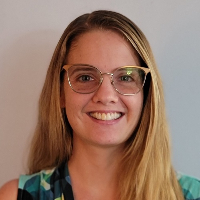
Dr. Deborah Harris-Sims, LPC
Licensed in District of Columbia 20 years in practice Online sessions
LPC in DC - relationships and trauma
About Deborah
Dr. Deborah Harris-Sims is an LPC (Licensed Professional Counselor) practicing in the District of Columbia with 20 years of counseling experience. She works with concerns such as depression, anxiety, relationship and family difficulties, trauma and abuse, grief, addiction, and stress.
She also helps with issues around parenting, intimacy, eating and sleeping, and career transitions. Dr. Sims uses straightforward, evidence-informed approaches to help people notice unhelpful thoughts and habits.
She draws on Cognitive Behavioral Therapy along with client-centered and solution-focused methods.
Background and approach
Sessions prioritize practical steps clients can try between meetings and clearer ways to handle difficult moments. Her background includes advanced degrees in psychology and counseling and a long career across different clinical settings. That experience shapes a style that balances talking about patterns with testing small changes.
She often works on communication problems, commitment and control issues, abandonment or attachment concerns, and family-of-origin themes. People who come for help with trauma-related symptoms or emotional abuse can expect trauma-focused strategies alongside cognitive and psychodynamic perspectives when useful. She also supports people managing bipolar symptoms, dissociation, or personality patterns by focusing on daily routines, coping strategies, and communication skills.
Practical goals are common in her work: better sleep, clearer boundaries, fewer intense reactions, and more reliable coping during life changes. For those seeking a structured, goal-oriented approach, Dr. Sims combines short-term problem-solving with attention to deeper emotional patterns.
What Deborah works with
The areas Deborah lists on their profile, in their own terms. If what you would like to work on is not on the list, it is fine to ask about it.
- Relationship issues
- Family conflicts
- Trauma and abuse
- Depression
- Coping with life changes
- Stress, Anxiety
- Addictions
- LGBT
- Grief
- Intimacy-related issues
- Eating disorders
- Sleeping disorders
- Parenting issues
- Anger management
- Self esteem
- Career difficulties
- Bipolar disorder
- Coaching
- Abandonment
- Adoption and foster care
- Antisocial personality
- Attachment issues
- Avoidant personality
- Caregiver issues and stress
- Commitment issues
- Communication problems
- Control issues
- Coping with natural or human-caused disaster
- Dependent personality
- Dissociation
- Divorce and separation
- Emptiness
- Family of origin issues
- Family problems
- Fatherhood issues
- Fertility issues
- Forgiveness
- Guilt and shame
- Impulsivity
- Infidelity
- Isolation / loneliness
- Jealousy
- Life purpose
- Veteran and Armed Forces Issues
- Obsessions, compulsions, and OCD
- Panic disorder and panic attacks
- Personality disorders
- Postpartum depression
- Post-traumatic stress
- Self-love
- Sexual assault and abuse
- Sexuality
- Social anxiety and phobia
- Women's issues
- Workplace issues
- Young adult issues
Methods Deborah lists
- Cognitive Behavioral Therapy (CBT)
- Client-Centered Therapy
- Psychodynamic Therapy
- Solution-Focused Therapy
- Trauma-Focused Therapy
Listing an approach is not evidence of training in it. This directory shows what each therapist names and does not check training records.
How her approaches translate to online work
Dr. Sims commonly uses Cognitive Behavioral Therapy to help people identify and change thinking patterns that feed anxiety, depression, and unhelpful behaviors. CBT sessions focus on concrete skills, short exercises, and homework to practice new ways of responding.She also uses Client-Centered Therapy to prioritize the client's goals and experience, providing space for a person to describe what matters most. Psychodynamic ideas may be used to notice repeating life patterns and how past relationships shape current reactions. Each method targets different aspects of a problem: immediate coping, personal goals, and underlying patterns.
Finding the right approach is part of the work. Dr. Sims will collaborate with clients to choose or combine methods based on goals, symptoms, and preferences. That collaborative planning helps keep sessions focused and practical.
The biography did not list specific online formats, so confirm current session options before booking. Online work can make it easier to fit therapy into a busy week, allow shorter check-ins when needed, and reduce travel time. Licensed professionals can adapt homework, breathing or grounding exercises, and communication practice to an online setting so skills can be used in everyday life.
We will earn a commission if you sign up through our link, at no cost to you. It does not change what you pay or the order of the listings.
Questions people ask about Deborah
What concerns does she commonly address?
She works with depression, anxiety, relationship and family difficulties, trauma and abuse, grief, addictions, stress, and related issues such as parenting, intimacy, and career challenges.
How does she use Cognitive Behavioral Therapy in sessions?
CBT is used to identify unhelpful thoughts and habits and to try practical changes. Sessions often include exercises and techniques to test new responses between meetings.
What is her clinical background and experience?
She has 20 years of clinical counseling experience and advanced degrees in psychology and counseling. That experience includes work in a variety of clinical settings.
What credentials and location should I know about?
She is an LPC (Licensed Professional Counselor) licensed in the District of Columbia and practices from that jurisdiction.
Can I meet with her if I live outside the United States?
Sessions are offered to international clients; please confirm any local legal or scheduling considerations before booking.
Which session formats are available?
The original biography did not specify session formats. Please confirm current session options before scheduling a first appointment.
How does cost and billing work?
Cost varies with location; sessions use a subscription that can be canceled at any time. Check the platform details for exact pricing information.
What should I do to get started?
Select the See online therapy options button, complete a short matching questionnaire, and schedule a first session to begin.