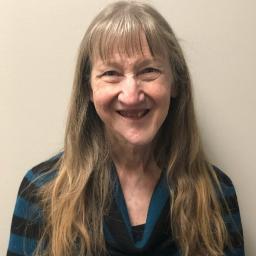
Nikki Lewis-Clark
LCPC
Montana 24 years in practice
LCPC in Montana - stress and relationships
- Stress, Anxiety
- Relationship
- Family
Therapists who list CBT
55 therapists licensed in Montana list CBT among their approaches. Each profile shows the license and NPI as listed. Sessions are online.
Welcome to our directory of online therapists serving Montana. All therapists listed here are licensed to practice in Montana - explore profiles to compare approaches, focus areas, credentials, and languages.
LCPC
Montana 24 years in practice
LCPC in Montana - stress and relationships
LCPC
Montana 10 years in practice
LCPC in Montana - Anxiety and Stress
LCSW
Montana 6 years in practice
Licensed Clinical Social Worker - Depression and Anxiety
LCPC
Montana 10 years in practice
LCPC counselor - stress and anxiety
Montana 16 years in practice
LCPC - Stress and Anxiety focus
LCSW
Montana 8 years in practice
LCSW - Anxiety and Grief support
LICSW, LCSW
Montana 16 years in practice
LICSW LCSW - Stress and Relationship support
LCPC
Montana 15 years in practice
LCPC in Montana - Mood and Family Concerns
LMFT
Montana 8 years in practice
LMFT - Depression and Addictions
LPC, LCPC
Montana 16 years in practice
LPC LCPC - Stress and relationship support
LCPC
Montana 3 years in practice
LCPC in Montana - anxiety and trauma
LCPC
Montana 39 years in practice
LCPC in Montana - Stress and Anxiety
LCSW
Montana 15 years in practice
LCSW - Stress and anxiety support
LCPC
Montana 21 years in practice
LCPC in Montana - Stress and Anxiety
LCSW
Montana 6 years in practice
LCSW - Anxiety and relationship concerns
LPC, LCPC
Montana 13 years in practice
LPC, LCPC - Anxiety and Family Concerns
LCPC
Montana 23 years in practice
LCPC in Montana - Anxiety and Stress
LCPC
Montana 18 years in practice
LCPC in Montana - Stress and Anxiety
Montana 4 years in practice
LCPC in Montana - Stress and Anxiety
LCSW
Montana 13 years in practice
LCSW - Stress and trauma focus
LCPC
Montana 5 years in practice
LCPC counselor - Stress and relationships
LCPC
Montana 5 years in practice
LCPC in Montana - Stress and Anxiety support
LCSW
Montana 3 years in practice
LCSW - Anxiety and Relationship Concerns
LCSW
Montana 4 years in practice
LCSW - stress and anxiety focus
LCSW
Montana 7 years in practice
LCSW - trauma and addiction support
LCPC
Montana 5 years in practice
LCPC in Montana - Anxiety and Trauma
LCSW
Montana 4 years in practice
Licensed Clinical Social Worker - Stress and Trauma
LCPC
Montana 8 years in practice
LCPC in Montana - CBT and practical skills
LCPC, LMFT
Montana 14 years in practice
LMFT and LCPC - Anxiety and Addictions
LCPC, LPC
Montana 7 years in practice
LCPC, LPC - Anxiety and Relationships
LCSW
Montana 5 years in practice
LCSW - Stress and Anxiety
LCSW
Montana 22 years in practice
LCSW - Anxiety and Life Changes
LCSW
Montana 20 years in practice
LCSW - Anxiety and Addictions
LCSW, LMFT
Montana 30 years in practice
LCSW and LMFT - stress and relationship help
LCSW
Montana 10 years in practice
LCSW in Montana - Stress and relationship concerns
LCSW
Montana 20 years in practice
LCSW - Anxiety and addiction support
LCSW
Montana 30 years in practice
LCSW - Stress and relationship concerns
Montana 20 years in practice
LCSW - relationships and anxiety
LCPC
Montana 30 years in practice
Licensed Clinical Professional Counselor - Stress and Relationships
LPC, LCPC
Montana 25 years in practice
Licensed counselor in Montana - Anxiety and relationships
LCPC
Montana 24 years in practice
LCPC in Montana - Anxiety and Relationships
LCSW
Montana 9 years in practice
LCSW - Anxiety and Trauma
LCPC
Montana 4 years in practice
LCPC in Montana - Stress and trauma care
LPC, LCPC
Montana 24 years in practice
Licensed counselor - anxiety and mood concerns
LCSW
Montana 20 years in practice
LCSW in Montana - Anxiety and Depression
LCMHC, LCPC
Montana 10 years in practice
Licensed counselor - Anxiety and trauma
LCPC
Montana 9 years in practice
LCPC - Stress and Trauma care
LCPC
Montana 9 years in practice
LCPC in Montana - Trauma and anxiety focus
Some links on this page are partner links. We will earn a commission if you sign up through one, at no cost to you. It does not change what you pay or the order of the listings.
Online therapy has become a common option for many Montanans seeking counseling and psychological support. If you live in a rural valley, a small town, or a larger city like Billings or Missoula, you can often access licensed mental health professionals through video, phone, or text-based messaging. Montana permits licensed clinicians to offer remote services to residents when those clinicians hold an appropriate Montana license or when practice occurs under laws that allow interstate provision of services. As a result, you will find clinicians who operate entirely online as well as those who combine in-person work with remote sessions. The technical means you use - a laptop, tablet, or smartphone - affect the experience but not the core therapeutic work, which centers on your goals and the therapeutic relationship.
When you search for online therapists in Montana, you will encounter clinicians with a range of credentials - such as licensed professional counselors, licensed clinical social workers, and psychologists - and with varied stated approaches. The directory lists the credentials that clinicians provide and highlights languages spoken, client populations they list, and issues they focus on. Because licensure and practice rules differ by profession, understanding the basic landscape can help you narrow choices and select a therapist whose profile matches what you need.
Online therapy offers tangible advantages for people in Montana where travel distances, weather, and scheduling can make regular in-person appointments difficult. You can reduce commuting time and the stress of driving in winter conditions while fitting therapy into a workday or parenting schedule. For some people, being in your own home or in a familiar setting during a session helps you feel more at ease, which can make it easier to talk about difficult topics. You can also access therapists who list specialized experience or specific approaches even when those clinicians are not located in your town, expanding the pool of professionals who may align with your needs.
Another practical benefit is the potential for continuity. If you move within Montana or travel for an extended period, continuing with a therapist who offers online sessions can maintain momentum. Many therapists describe how they adapt communication styles and techniques for online work, aiming to create a strong therapeutic connection through video and voice. When you opt for online care, think about the environment where you will meet - a quiet room at home, your car between appointments, or another place where you feel comfortable and can speak without interruption. Establishing a consistent, distraction-free setting enhances the therapeutic experience.
You will find online therapists who list a broad range of concerns among their focus areas, including anxiety, depression, relationship issues, grief, trauma, life transitions, and stress related to work or family. Many clinicians also indicate populations they work with, such as adolescents, adults, couples, parents, older adults, and LGBTQ+ clients. While therapists describe the topics they address rather than offering guarantees about outcomes, browsing profiles helps you identify professionals whose listed focus areas match the challenges you want to address.
If you are coping with trauma-related symptoms, some clinicians list trauma-focused approaches among their stated methods. Other therapists may list cognitive behavioral approaches or integrative styles that combine elements of different methods. When a therapist's profile mentions working with chronic health conditions, caregiving stress, or substance-related concerns, that can signal familiarity with those day-to-day realities. Keep in mind that the way therapists describe their approach on a profile is a starting point for conversation; you can use an initial call or message to ask how they typically work with issues similar to yours and what a typical course of sessions might look like.
Verifying that a therapist is licensed and in good standing is an important step before you begin services. Start by noting the license type shown on a therapist's profile - common types include licensed professional counselor, licensed clinical social worker, and psychologist. Each license is issued by the relevant Montana authority, and you can confirm details through publicly available state licensing resources. If a profile lists a license number, you can use that number when checking the state's licensure lookup tools. If no license number is listed, you can search by the clinician's name on the state board website that oversees the profession.
When you look up a license, you are typically able to confirm whether the license is active and whether there are any disciplinary actions recorded. If you have questions about what you find online, calling the licensing board's office or using the contact form on the board's website can clarify status information. You can also ask a therapist directly for their license number and the name of the issuing board; most professionals will provide that information when asked. Verifying licensure is a factual step that helps you understand a clinician's standing within Montana's regulatory framework.
Getting started usually means identifying a few profiles that feel like potential fits and then reaching out with a short message or phone call. In your initial contact, explain briefly what brings you to therapy and ask about the therapist's approach to cases like yours. You might inquire about session length, typical frequency, accepted payment methods, and whether the therapist uses video or phone sessions for their online work. If cost is a concern, ask whether the clinician lists any sliding scale options or if they can suggest community resources. Preparing a few questions in advance helps you use that first conversation to assess whether the clinician's style and focus match your needs.
Choosing the right therapist involves both objective and personal considerations. Objectively, confirm credentials, licensure, and languages offered. Look for therapists who list experience with the populations and issues that matter to you. If cultural background, gender, or identity-related experience is important, focus on profiles that indicate those areas. Personally, notice how you feel after an initial exchange - do you feel listened to and respected? Do the therapist's stated approaches and examples of work line up with your preferences? Some people prefer a more directive approach, while others value exploration and reflection; the way a clinician describes their work gives clues to that orientation.
Also think about practical logistics, such as session scheduling windows, payment procedures, and whether you want a therapist who offers different communication options between sessions. Keep in mind that relationship fit matters. It is reasonable to contact more than one therapist while you compare how each describes their approach, what they emphasize in treatment, and how they explain their goals for therapy. Trust your judgment about the tone and clarity of their responses, and choose a clinician whose communication style you find clear and approachable.
As you explore options in Montana, remember that finding a therapist is a process that balances credentials, therapeutic approach, practical considerations, and personal fit. Use the directory to narrow possibilities by license type, issue focus, languages, and stated approaches. Reach out with questions about how a clinician works and what you can expect in the early sessions. If you have insurance, check whether a therapist lists insurance networks or billing practices; if you do not use insurance, ask about fees and payment methods. Above all, give yourself permission to take time in this search - an initial consultation is often the best way to determine whether a particular therapist feels like the right match for your needs.
When you are ready, start by contacting a few profiles that align with your priorities and schedule brief conversations to learn more. Thoughtful exploration of profiles and an open dialogue with clinicians will help you find a licensed online therapist in Montana whose approach and style support the goals you have for your mental health and well-being.