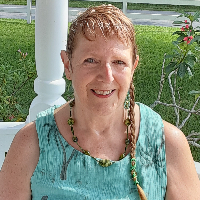
Therapist profile
Karen Murphree, LCSW
Licensed in Kansas 30 years in practice Online sessions
LCSW - Stress and relationship concerns
About Karen
Karen Murphree is a Licensed Clinical Social Worker (LCSW) with about 30 years of experience. She practices in Montana and works with adults on concerns such as stress, anxiety, grief, depression, self-esteem, relationship and family issues, trauma and abuse, and coping with life changes. Karen prefers a practical, strengths-based way of working rather than focusing only on illness.
She uses Cognitive Behavioral Therapy (CBT) along with other approaches to help people notice unhelpful thoughts and habits and try different ways of responding.
Background and approach
She also draws on attachment ideas and client-centered methods when those are useful. Her sessions may include guided imagery, music, simple movement, written exercises, and discussion. She often gives educational resource links so people can follow up between sessions.
The aim is to identify limiting beliefs and behaviors and practice alternatives in everyday life. Karen notes experience with a wide range of life concerns including caregiving stress, chronic illness and pain, body image and gender identity issues, intimacy and intimacy-related concerns, anger, compassion fatigue, and grief connected to loss or life transitions.
She also lists work around abandonment, attachment issues, divorce and separation, and family of origin topics. She identifies as LGBTQIA2S+ and describes herself as friendly to diverse sexual and relationship styles, kink, and people exploring nontraditional spirituality. Sessions are conducted in English and international clients are not accepted.
To begin, users are asked to complete a short matching questionnaire and schedule a first session.
What Karen works with
The areas Karen lists on their profile, in their own terms. If what you would like to work on is not on the list, it is fine to ask about it.
- Stress, Anxiety
- Grief
- Self esteem
- Depression
- Coping with life changes
- LGBT
- Relationship issues
- Family conflicts
- Trauma and abuse
- Intimacy-related issues
- Anger management
- Compassion fatigue
- Abandonment
- Aging and geriatric issues
- Attachment issues
- BDSM, kink, and alternative sex culture
- Body image
- Cancer
- Caregiver issues and stress
- Chronic pain, illness, and disability
- Communication problems
- Control issues
- Divorce and separation
- Family of origin issues
- Forgiveness
- Gender dysphoria
- Guilt and shame
- Hospice and end-of-life counseling
- Isolation / loneliness
- Life purpose
- Midlife crisis
- Panic disorder and panic attacks
- Polyamory / non-monogamous relationships
- Post-traumatic stress
- Seasonal Affective Disorder (SAD)
- Self-harm
- Self-love
- Sexual assault and abuse
- Sexuality
- Social anxiety and phobia
- Visually impaired
- Women's issues
- Workplace issues
Methods Karen lists
- Cognitive Behavioral Therapy (CBT)
- Attachment-Based Therapy
- Client-Centered Therapy
- Dialectical Behavior Therapy (DBT)
- Eye Movement Desensitization and Reprocessing (EMDR)
- Mindfulness Therapy
- Internal Family Systems
Listing an approach is not evidence of training in it. This directory shows what each therapist names and does not check training records.
How Karen integrates structured approaches in online work
CBT focuses on identifying thoughts and behaviors that keep problems going and replacing them with specific, testable alternatives. It is useful for anxiety, depression, stress, and self-esteem work because it emphasizes clear steps and practice between sessions.Attachment-based work looks at how early relationship patterns affect current reactions and connections. It helps when relationships or family dynamics repeatedly trigger strong emotions or lead to feeling disconnected.
Client-centered methods prioritize the person's experience and pace. That means the therapist listens and follows what the client notices, while offering tools from CBT or attachment work when they fit.
Finding the best approach is a collaborative process. The therapist will talk with the client about goals, try specific techniques, and adjust based on what helps. That way sessions combine structured practice and the client’s priorities rather than following a fixed plan.
The biography does not list specific online session formats, so confirm available options before booking. Online work can make it easier to fit sessions into a workday, reduce travel time, or choose shorter check-ins when schedules are tight. It also lets people use written exercises and shared resource links between sessions to reinforce practice in daily life.
We will earn a commission if you sign up through our link, at no cost to you. It does not change what you pay or the order of the listings.
Questions people ask about Karen
What problems does she help people with most often?
She works with stress, anxiety, grief, depression, self-esteem, relationship and family concerns, trauma and abuse, and coping with life changes.
How would she use CBT in sessions?
CBT is used to notice unhelpful thoughts and patterns and to try concrete alternative responses. Sessions include discussion and practical exercises to test new habits between meetings.
What is her background and experience?
She has about 30 years of clinical experience and a long history of using multiple therapeutic approaches alongside health-focused ideas from earlier nursing and coaching coursework.
What are her credentials and where is she based?
She is an LCSW practicing from Montana and lists OR LCSW and MO LCSW among her credential information.
Which languages are supported and are international clients accepted?
Sessions are offered in English and international clients are not currently accepted.
What session formats are available?
The original biography does not specify session formats here; confirm current session options before booking.
How does payment and cost work?
Cost varies with location and sessions use a subscription that can be canceled at any time.
How do I start a first appointment?
Select the See online therapy options button, complete a short matching questionnaire, and schedule a first session.