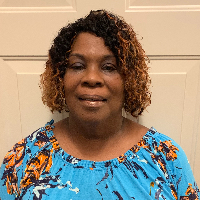
Renee Dupuis
LPC
Virginia 24 years in practice
LPC in Virginia - Anxiety and Addictions
- Stress, Anxiety
- Addictions
- Family
Therapists who list CBT
194 therapists licensed in Virginia list CBT among their approaches. Each profile shows the license and NPI as listed. Sessions are online.
Welcome to our directory of online therapists serving Virginia. All listed therapists are licensed in Virginia and present their professional credentials on their profiles. Explore the listings to review approaches, focus areas, credentials, and language options to find a match for your needs.
LPC
Virginia 24 years in practice
LPC in Virginia - Anxiety and Addictions
LCSW
Virginia 47 years in practice
LCSW - Anxiety and relationship concerns
Virginia 27 years in practice
LPC in Virginia - anxiety and addiction focus
LICSW, LCSW
Virginia 10 years in practice
LICSW LCSW - Stress and Relationship Concerns
LCSW
Virginia 4 years in practice
LCSW in Virginia - Stress and relationship support
LPC
Virginia 13 years in practice
Licensed Professional Counselor - Anxiety and Trauma
LCSW
Virginia 35 years in practice
LCSW - Anxiety and life changes
LPC
Virginia 5 years in practice
Licensed Professional Counselor - Stress and Anxiety
LCSW
Virginia 4 years in practice
Licensed Clinical Social Worker - Stress and Anxiety
LPC
Virginia 5 years in practice
Licensed Professional Counselor - Relationships and Mood
LCSW
Virginia 15 years in practice
LCSW - Stress and Mood Concerns
LPC
Virginia 13 years in practice
Licensed Professional Counselor - Stress and Anxiety
LPC
Virginia 11 years in practice
LPC in Virginia - Anxiety and Addictions
LMHC, LPC
Virginia 9 years in practice
Licensed counselor - anxiety and addiction
LPC
Virginia 6 years in practice
Licensed counselor - anxiety and trauma
LCSW
Virginia 5 years in practice
LCSW - Relationships and Mood
LCSW
Virginia 10 years in practice
LCSW in Virginia - Stress and relationships
LPC, LMFT
Virginia 34 years in practice
Licensed counselor - Anxiety and relationship support
LCSW
Virginia 20 years in practice
Licensed Clinical Social Worker - Stress and Anxiety
Virginia 25 years in practice
LCP psychologist - anxiety and trauma
LCSW
Virginia 22 years in practice
Licensed Clinical Social Worker - Stress and Trauma
LPC
Virginia 22 years in practice English, Spanish
Licensed Professional Counselor - Stress and Trauma
LCSW
Virginia 26 years in practice
LCSW - stress and relationship concerns
CA Psychologist, VA Psychologist
Virginia 25 years in practice
Virginia Psychologist - Stress and relationships
LPC
Virginia 13 years in practice
Licensed Professional Counselor - Trauma and anxiety
LCSW
Virginia 27 years in practice
Licensed Clinical Social Worker - Mood and relationship concerns
LCSW
Virginia 4 years in practice
LCSW - Anxiety and Relationship Concerns
LPCC, LPC
Virginia 28 years in practice
Licensed counselor - stress and trauma
LCP
Virginia 23 years in practice
Licensed Professional Counselor - Stress and Anxiety
LPC
Virginia 12 years in practice
LPC in Virginia - Stress and Relationship Issues
LCSW
Virginia 7 years in practice
LCSW - relationship and trauma focus
LPC
Virginia 13 years in practice
Licensed Professional Counselor - Anger and Self-Esteem
LCSW
Virginia 5 years in practice
LCSW - Stress and Relationship Concerns
LPC
Virginia 3 years in practice
LPC in Virginia - Anxiety and Trauma work
LCSW
Virginia 12 years in practice
Licensed Clinical Social Worker - Stress and Relationships
LICSW, LCSW, CSW
Virginia 7 years in practice
LICSW counselor - Stress and trauma
LCSW
Virginia 3 years in practice
LCSW - Relationships and Mood
LPC
Virginia 7 years in practice
Licensed Professional Counselor - Anxiety and Addictions
LCSW
Virginia 20 years in practice
LCSW in Virginia - stress and relationships
LCSW, LISW
Virginia 10 years in practice
LCSW in Virginia - Anxiety and Stress
LPC
Virginia 8 years in practice
LPC in Virginia - mood and anxiety support
VA Psychologist
Virginia 24 years in practice
VA Psychologist - Stress and Trauma
Virginia 15 years in practice
Dr. Cynthia Agbayani, LPC - Relationships and Mood Disorders
LCMHC, LPC
Virginia 31 years in practice English, Mandarin
Licensed counselor - anxiety and trauma
LISW, LCSW
Virginia 8 years in practice
Dr. Porcha Porter, LISW LCSW - Stress and Trauma
LCSW
Virginia 5 years in practice
Licensed Clinical Social Worker - Stress and Anxiety
LPC
Virginia 7 years in practice
Licensed Professional Counselor - Anxiety and Trauma
LPC
Virginia 14 years in practice
Licensed Professional Counselor - Family and Trauma
Some links on this page are partner links. We will earn a commission if you sign up through one, at no cost to you. It does not change what you pay or the order of the listings.
Online therapy has become an established way for people across Virginia to access mental health support without traveling to an office. Platforms and clinicians offer sessions by video or phone so that you can connect from your home, workplace, or another convenient setting. In Virginia, licensed clinicians work under state practice rules, and many list a range of clinical approaches, focus areas, credentials, and languages on their profiles to help you evaluate fit before you reach out.
When you search for help, you will find therapists who list cognitive behavioral therapy among their approaches, therapists who list psychodynamic approaches among their approaches, and practitioners who list mindfulness-based methods among their approaches. The presence of an approach on a profile indicates that the therapist includes that method in their work, but it does not by itself verify specialized certification. Profiles are designed to help you narrow options by professional background, clinical focus, and communication preferences so you can identify clinicians whose descriptions resonate with you.
Online therapy can reduce some of the logistical barriers that come with in-person care. You may save travel time and avoid the need to coordinate transportation across town or between regions. For people who live in rural parts of the state, remote sessions can broaden the pool of clinicians you can access beyond what is available locally. If you juggle work, school, or caregiving responsibilities, scheduling a virtual session can make it easier to maintain continuity in care around a busy life.
Beyond convenience, many find that virtual sessions help maintain consistency during life transitions such as moving, college, or job changes. You can also match with therapists who list certain languages among their skills, which can be important when you prefer therapy in a language other than English. Getting care this way still involves planning a quiet room, reliable internet or phone service, and an environment where you can focus. Thinking ahead about the setting where you will meet can make virtual sessions more effective and more comfortable.
Online therapists in Virginia work with a wide range of concerns you might bring to therapy. Many clinicians describe experience with mood disorders such as depression and conditions involving anxiety, including generalized anxiety and panic. Others focus on relationship issues, family dynamics, parenting stress, and the unique pressures of caregiving. Trauma-related concerns and stress from major life changes are also frequently addressed through teletherapy.
For work-related or school-related stress you can connect with therapists who list career stress, performance anxiety, or academic pressures among their areas of focus. Some clinicians emphasize support for specific populations such as adolescents, young adults, older adults, or LGBTQ+ clients. When you review profiles, look for clinicians who list topics and populations that align with what you want to work on. Remember that a profile listing an approach or focus area signals what a therapist uses in practice; it does not by itself confirm specialty certification in that modality.
Verifying a clinician's license is an important step in your search. Virginia maintains public license lookup tools for various professions so you can confirm basic licensure information. When you search a profile, note the clinician's license type and license number, then consult the relevant state board website to confirm the status that the board displays. Official state pages typically show the licensee's full name, license type, licensure date, and whether there are any recorded disciplinary actions.
If you prefer a direct approach, you can contact the appropriate licensing board by phone or email to ask about a license record. Boards for mental health professions in Virginia may be organized by discipline, so a clinician’s title - such as licensed professional counselor, clinical social worker, marriage and family therapist, or psychologist - will help you determine which registry to consult. Checking the board record will not evaluate clinical fit, but it helps ensure that the clinician practices under a valid state license and that the regulatory record is current.
Beginning therapy online typically starts with clarifying what you want help with and what you hope to achieve. Take time to read profiles and note clinicians whose descriptions match your goals, including therapeutic approach, areas of focus, and language. Many profiles include short summaries of how a clinician typically works and what clients can expect from sessions. Use those summaries to create a short list of therapists to contact.
When you reach out to a therapist's office or use a profile contact form, you can ask practical questions about session format, session length, fees, payment methods, and whether they work with your insurance. It is reasonable to ask about how they structure early sessions and how they measure progress so you have a sense of the clinician's working style. Plan to set up a regular meeting place on your end - a quiet room, a closed door, or another area where you can speak without interruptions. Make sure you have a device with a camera and a stable internet connection if you plan to meet by video.
Finding the right match is part practical and part interpersonal. Start by prioritizing what matters most - whether that is a clinician's approach, clinical focus, credentials, cultural background, or language. Profiles are helpful for identifying clinicians who list work with particular issues or populations, but you will also want to consider how you feel about a clinician during an initial conversation. A good match often depends on whether you feel heard and understood, and whether the clinician explains their approach in a way that makes sense to you.
It is helpful to prepare a few questions before a first contact so you can learn more efficiently. Ask about how the clinician organizes sessions, what an early treatment plan might look like, and how they measure progress. If you use insurance, ask which billing codes and reimbursement practices are typical. If you have preferences about language, cultural competence, or areas of clinical focus, state those up front so the clinician can describe relevant experience. Finally, remember that it is normal to try more than one therapist before you find the best fit for your needs. Taking time to reflect after a few sessions on whether the approach and the working relationship feel helpful will guide your next steps.
Searching for online therapy in Virginia is an opportunity to match your needs with clinicians who list relevant approaches and focus areas on their profiles. Use state licensing resources to verify licensure and review profile details to narrow your options. By clarifying goals, asking practical questions, and reflecting on the professional relationship, you can make informed choices about the person you want to work with and the path you want to take in therapy.